Which Countries Are Facing Imminent Economic Collapse?
TL;DR
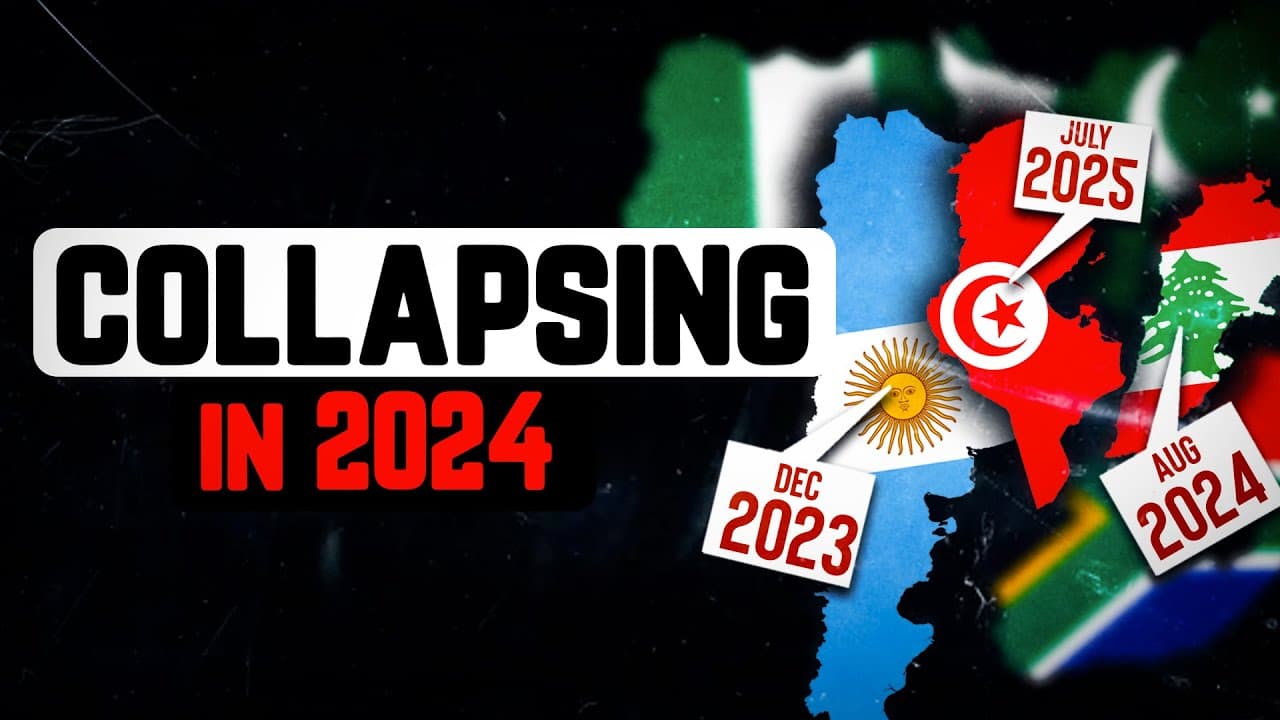
Countries like South Africa, Tunisia, Lebanon, Argentina, and Nigeria are on the brink of economic collapse due to severe issues such as corruption, high debt, and social unrest. With rising poverty and instability, these nations illustrate the critical need for systemic reform and responsible governance.
Transcript
one of these countries economies is about to crash within the next couple of years and a perfect example of this is South Africa blackouts and riots looting in poverty South Africa is undoubtedly in a very rough place but the most visible problem within the country is inequality which is now at its highest levels in decades because the richest 10 o... Read More
Key Insights
- 💀 South Africa: Inequality is at its highest levels in decades, with the richest 10% owning over 85% of household wealth, while unemployment, crime, and violence continue to rise.
- 💡 Tunisia: Economic outlook is dire, with public debt nearly reaching 90% of GDP, poverty rates above 15%, and political instability causing mass protests and strikes.
- 💰 Lebanon: Facing a deep economic crisis, with clean water shortages, currency collapse, and a Ponzi scheme-like debt cycle causing poverty rates to skyrocket.
- 🔒 Argentina: Hyperinflation, soaring debt, and a loss in confidence from foreign investors are pushing the country towards bankruptcy and leading to political polarization and mass protests.
- 💸 Nigeria: Ran out of paper currency amidst an economic crisis, highlighting the need for cash in the country, and corruption at all levels continues to hinder progress.
- 🔥 Pakistan: Fuel shortages, unemployment, inflation, and massive debt have plunged the economy into chaos, with floods exacerbating the crisis and political upheaval threatening the government's stability.
- 🌍 Global Warning: These countries' economic struggles and potential collapse reveal the interconnectedness of global economies and the need for sustainable and responsible financial practices.
- 🛡️ Social Impact: The economic crises in these countries highlight the devastating effects of inequality, corruption, and government mismanagement on people's lives, leading to poverty, violence, and political unrest.
Install to Summarize YouTube Videos and Get Transcripts
Explore YouTube Video Summarizer or Get YouTube Transcript Extractor
Questions & Answers
Q: What are the main factors contributing to South Africa's economic crisis?
South Africa's economic crisis is primarily due to high levels of inequality, corruption, unemployment, crumbling infrastructure, and a failing education system. The concentration of wealth among the richest 10% of the population, along with widespread unemployment and poverty, has led to a rise in violent crime and social unrest. Corruption at the state level, particularly in the energy sector, has resulted in infrastructure neglect and an unreliable energy grid, leading to frequent blackouts. Additionally, the government's underfunding of the education system has left a quarter of children unable to read after six years of schooling, further exacerbating the country's economic challenges.
Q: What are the main causes of Tunisia's economic crisis?
Tunisia's economic crisis is mainly caused by mounting public debt, rising poverty rates, and political instability. The country's public debt, which has increased to nearly 90% of the GDP, has put a severe strain on the economy, leading to shortages in essential supplies such as fuel, flour, and bread. The political instability resulting from a coup and mass arrests of political opponents has further hindered economic recovery. Austerity measures, including subsidy cuts and tax increases, imposed as part of an IMF loan agreement, have worsened the economic hardships faced by the population and raised concerns about the country's ability to repay its debts.
Q: What factors have contributed to Lebanon's economic collapse?
Lebanon's economic collapse can be attributed to a combination of factors. The country's economy relied on a Ponzi-like scheme, with the government taking out loans to pay off existing debts and maintain the illusion of financial stability. The war in neighboring Syria and the COVID-19 pandemic further weakened the economy, causing investors to become more cautious. Rampant corruption throughout the government and elite circles worsened the crisis, leading to widespread poverty, clean water shortages, and a devaluation of the currency. The devastating 2020 Beirut explosion, caused by negligent handling of explosive materials, further highlighted the consequences of corruption and mismanagement.
Q: What are the main challenges facing Argentina's economy?
Argentina's economy is facing significant challenges, including soaring inflation, rising poverty rates, and struggling job prospects. The country's debt problem, which has doubled every five years, has put immense pressure on the economy. Attempts to repay the debt have led to restrictions on currency and limited access to savings for the population. The government's inability to address the economic issues and unwillingness to implement necessary reforms have further worsened the situation. Foreign investors and creditors are increasingly reluctant to provide assistance, signaling the risk of default and increased economic instability.
Q: What are the consequences of Nigeria's cash crisis?
Nigeria's cash crisis has resulted in severe consequences for the population, with limited access to money causing disruptions in daily life and the economy. Lacking access to banking services, a significant portion of the population has been left without cash, leading to abandoned markets and difficulties in paying for basic necessities. The crisis has also affected private sector growth and job prospects, exacerbating unemployment and poverty rates. The government's decision to replace high-denomination notes in an attempt to address corruption only further strained the economy and highlighted the need for comprehensive and effective policies to combat corruption and improve financial stability.
Summary & Key Takeaways
-
South Africa: High levels of inequality, unemployment, and corruption have led to violent crime, crumbling infrastructure, and a failing education system.
-
Tunisia: Mounting public debt, rising poverty rates, and political instability have pushed the country towards bankruptcy, with austerity measures exacerbating the crisis.
-
Lebanon: Economic mismanagement, endemic corruption, and external factors have resulted in a collapse of the currency, shortages of essential supplies, and a devastating cholera outbreak, as the country teeters on the brink of economic collapse.
-
Argentina: Massive debt, hyperinflation, rising poverty rates, and a struggling economy have caused widespread suffering, with limited confidence from foreign investors and the potential for social and political unrest.
-
Nigeria: Economic mismanagement, corruption, fuel shortages, rising inflation, and unemployment have caused the economy to falter, with the cash crisis exacerbating the hardships faced by the population.
Read in Other Languages (beta)
Share This Summary 📚
Summarize YouTube Videos and Get Video Transcripts with 1-Click
Try YouTube Summary with ChatGPT & Claude or YouTube Transcript Generator
Explore More Summaries from Moon 📚






Summarize YouTube Videos and Get Video Transcripts with 1-Click
Try YouTube Summary with ChatGPT & Claude or YouTube Transcript Generator