How Did Pablo Escobar Build the Medellin Cartel?
TL;DR
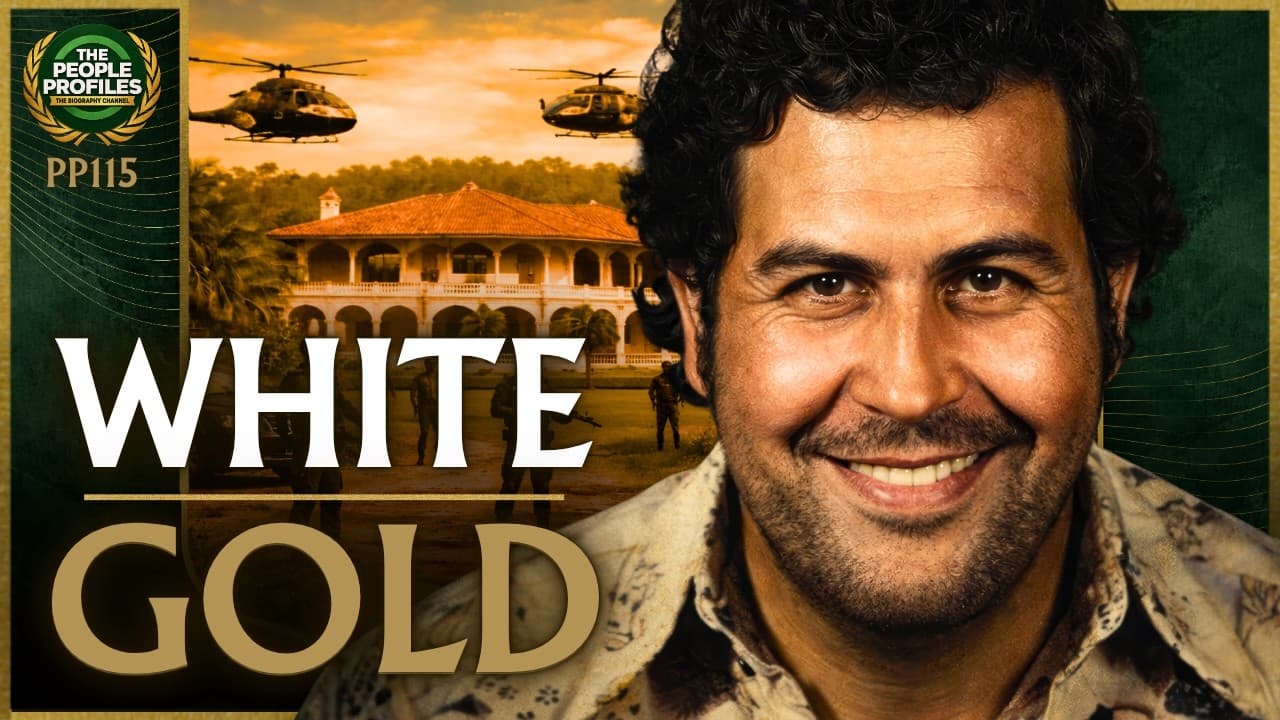
Pablo Escobar rose from petty crime in Medellin to cocaine trafficking by exploiting soaring United States demand, Colombia’s political instability, and effective smuggling routes. He expanded his organization by removing intermediaries and combined bribery with murder to escape prosecution, intimidate authorities, and protect the emerging Medellin Cartel, despite portraying himself as a humble trader.
Transcript
The man known to history as Pablo Escobar was born on the 1st of December 1949 as Pablo Emilio Escobar Gaviria in the city of Rionegro in the Antioquia department of Colombia. His father was Abel de Jesus Dari Escobar Echeverri, a poor farmer who often worked as a farmhand on the allotments of others to make ends meet for his large family of seven ... Read More
Key Insights
- Pablo Escobar was born on December 1, 1949, in Rionegro, Colombia, before his family relocated to Medellin. His father was a poor farmer and farmhand, while his mother raised seven children and worked as an elementary school teacher.
- Medellin was an industrial center whose population grew from about 60,000 in 1905 to more than one million by Escobar’s early twenties. Rapid urban expansion occurred alongside substantial poverty and helped create conditions in which criminal enterprises became widespread.
- Escobar was involved with a gang by age fourteen and was soon expelled from school. After losing one fight, he later shot another young man in the foot during a separate altercation, leading to his first few nights in a Colombian prison.
- Colombia’s cocaine economy developed alongside severe political conflict. La Violencia killed more than 200,000 people, while the guerrilla war beginning in 1964 allowed armed organizations to control rural territories where narcotics production and trafficking could operate.
- Cocaine became increasingly profitable as its use expanded across the United States during the 1970s, particularly with the growth of disco culture in New York and Miami. This surge created opportunities for Colombian cartels and small operators entering the business.
- Escobar entered organized crime through contraband cigarettes, vehicle theft, kidnappings, and ransom collection. By the early 1970s he was also smuggling marijuana, making the later transition into the expanding cocaine trade a change in cargo rather than an entirely new profession.
- Escobar’s first cocaine work involved delivering coca paste to processing facilities around Medellin. He soon removed intermediaries and developed operations that flew consignments of processed cocaine from Colombia into the United States through multiple routes, forming the beginnings of the Medellin Cartel.
- Escobar’s strategy combined attempted bribery with lethal intimidation. After his May 1976 arrest involving 18 kilograms of coca paste, he tried to bribe officials and then sought the murder of arresting officers, contributing to the authorities’ decision to drop the case.
Install to Summarize YouTube Videos and Get Transcripts
Explore YouTube Video Summarizer or Get YouTube Transcript Extractor
Questions & Answers
Q: How did Pablo Escobar become involved in organized crime?
Pablo Escobar entered criminal activity while still young in Medellin. He had joined a gang by age fourteen, was expelled from school, and participated in petty offenses with friends. By his later teens, he was working with Oscar Benel Aguirre in contraband cigarette sales, vehicle theft, high-profile kidnappings, and ransom collection. His desire to become rich quickly encouraged him to pursue increasingly profitable crimes.
Q: Why did Medellin provide fertile conditions for Escobar’s rise?
Medellin experienced enormous industrial and demographic growth alongside widespread urban poverty. Its population increased from about 60,000 in 1905 to more than 300,000 by Escobar’s birth and exceeded one million by his early twenties. Although it had become Colombia’s industrial capital and second-largest city, criminal enterprises were widespread, giving ambitious offenders such as Escobar opportunities to enter organized crime.
Q: How did Colombia become a center of cocaine production?
Colombia offered environmental conditions favorable to growing coca plants, while its sprawling jungles and increasing rural lawlessness made enforcement difficult. During the 1960s and 1970s, worldwide demand for illegal narcotics surged, especially in the United States and Europe. Armed groups controlled large rural territories, permitting producers to operate and taxing their activities, which connected the cocaine economy to Colombia’s wider political conflict.
Q: How did rising United States demand help Escobar’s cocaine business?
Cocaine had been a relatively niche drug in the United States during the 1960s, when marijuana, LSD, and heroin were more widespread. Its use expanded sharply during the 1970s, particularly as disco culture grew in cities such as New York and Miami. That expanding consumer market caused the Latin American cocaine trade, especially Colombia’s trade, to grow rapidly and created opportunities for operators such as Escobar.
Q: How did Escobar enter the cocaine trade?
Escobar first became involved in cocaine trafficking during the mid-1970s after being brought into the business by smuggler Griselda Blanco. Established Medellin smugglers initially hired him to transport consignments of coca paste to processing facilities, where it became powdered cocaine. He soon began eliminating intermediaries and established his own operations for flying processed cocaine from Colombia into the United States through several routes.
Q: What criminal activities did Escobar pursue before cocaine trafficking?
Before becoming a major cocaine trafficker, Escobar engaged in several forms of organized and petty crime. He sold contraband cigarettes, participated in vehicle theft, conducted high-profile kidnappings, and collected ransom payments with associates. Accounts also connect his teenage years to stolen gravestones and fake diplomas, although the transcript notes that separating truth from fiction in those stories is difficult. By the early 1970s, he was smuggling marijuana.
Q: How did bribery and violence protect Escobar from prosecution?
After Escobar and several associates were arrested in May 1976 while transporting 18 kilograms of coca paste toward Medellin, he first attempted to bribe the officers and judges involved. When bribery failed, he tried to arrange the murder of the arresting officers so they could not testify. The perceived danger of pursuing the case contributed to the authorities dropping it, allowing Escobar to walk free.
Q: What political conditions supported Colombia’s narcotics trade?
Colombia experienced entrenched poverty, conflict between Liberal and Conservative factions, and extensive foreign influence. The 1948 assassination of Jorge Eliécer Gaitán helped trigger La Violencia, a decade of civil war that killed more than 200,000 people. A guerrilla war began in 1964, and armed organizations gained control over rural regions, where they permitted and taxed narcotics activity to finance weapons and supplies.
Summary & Key Takeaways
-
Pablo Escobar was born in Rionegro in 1949 and grew up in rapidly expanding Medellin, where industrial growth existed alongside widespread urban poverty and criminal activity. He joined a gang by fourteen, left school, committed petty crimes, and spent his first nights in prison after shooting another young man in the foot.
-
Colombia’s cocaine industry emerged amid political instability, rural lawlessness, and a prolonged conflict involving the government, FARC, and other armed organizations. Rising demand in the United States and Europe made cocaine increasingly profitable. Colombia’s favorable coca-growing environment and sprawling jungles helped turn the country into a global production center.
-
Escobar progressed from contraband cigarettes, vehicle theft, kidnapping, and marijuana smuggling into cocaine trafficking during the mid-1970s. He initially transported coca paste, then removed intermediaries and organized flights carrying processed cocaine to the United States. Bribery, intimidation, and murder protected his operation and supported the Medellin Cartel’s rapid expansion.
Read in Other Languages (beta)
Share This Summary 📚
Summarize YouTube Videos and Get Video Transcripts with 1-Click
Try YouTube Summary with ChatGPT & Claude or YouTube Transcript Generator
Explore More Summaries from The People Profiles 📚

Summarize YouTube Videos and Get Video Transcripts with 1-Click
Try YouTube Summary with ChatGPT & Claude or YouTube Transcript Generator