How to Build a Better Life in Your 30s
TL;DR
Use your 30s to improve your health, confront relationship problems, protect your time, and accept responsibility for your choices. Effort and neglect both compound, so unresolved issues, repeated excuses, and bad habits become harder to change. Focus on meaningful priorities, allow friendships and definitions of success to evolve, and release dreams that have become prisons.
Transcript
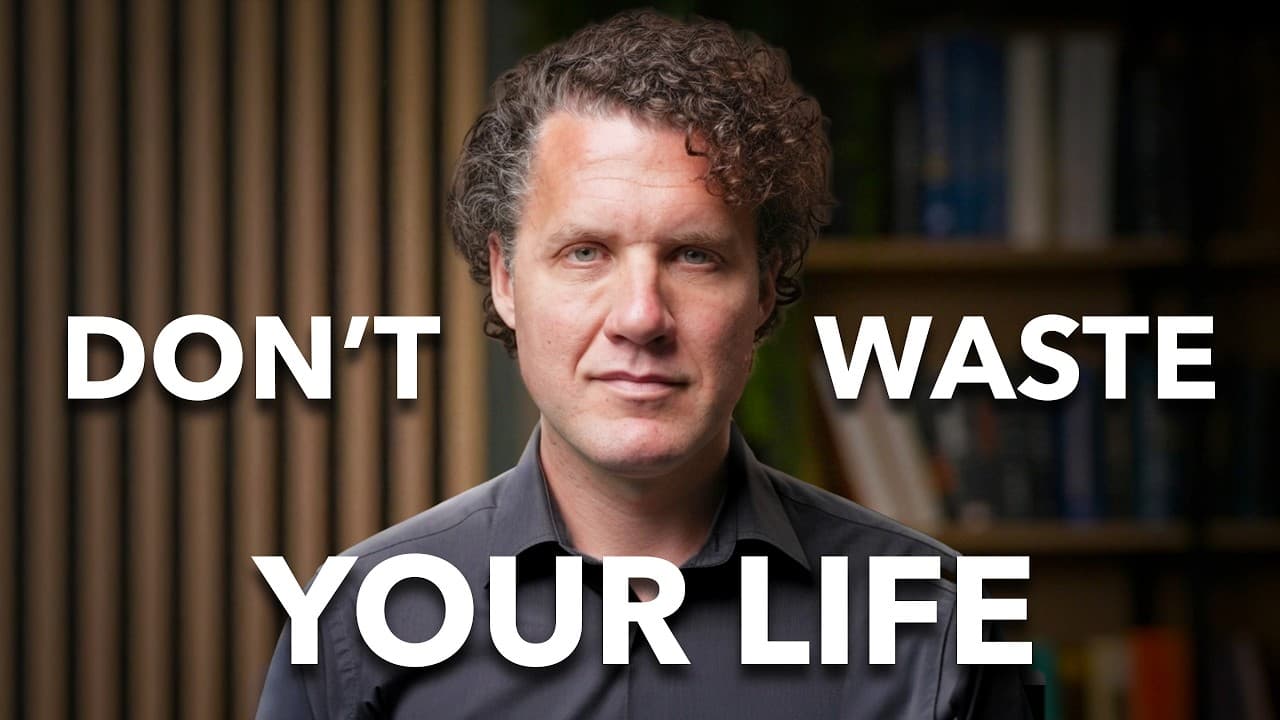
Gather around, 30-year-olds. Papa Mark is here to bestow wisdom. I'm 41 years old. If you're in your 30s, watch this. Your body will no longer forgive you for the crap you got away with in your 20s. I mean, I remember when I was in my 20s, I would go out. I would drink like six Red Bulls a day. I would eat Reese's cups for dinner. I would drink... Read More
Key Insights
- • Physical resilience declines with age, so habits involving poor sleep, unhealthy eating, frequent drinking, and neglected fitness carry increasing consequences. Your 30s are the time to take health seriously because the body no longer recovers as easily from behavior tolerated in your 20s.
- • Marriage and children do not repair relationship problems. Greater commitment makes unresolved conflicts harder to manage, so struggling couples need difficult conversations and honest decisions instead of engagement, parenthood, or continued avoidance as substitutes for addressing what is wrong.
- • Difficult conversations determine much of life quality in your 30s. Careers, savings, families, and established relationships raise the stakes, which means avoiding an uncomfortable issue can cost more than it did when responsibilities and personal commitments were limited.
- • Adulthood requires accepting that responsible choices may cause disapproval. Depending on everyone else's approval keeps a person trapped in adolescent decision-making, while maturity involves enough self-knowledge and confidence to act according to considered priorities even when others become upset.
- • A shrinking social circle can reflect healthier priorities rather than personal failure. As responsibilities increase and time becomes scarce, social life naturally shifts from quantity toward a smaller number of meaningful relationships that justify sustained attention and effort.
- • Definitions of success should change when experience contradicts fantasy. Pursuing a goal reveals the daily reality behind it, and an old dream should be released when maintaining it feels more like imprisonment than liberation or no longer appears possible or reasonable.
- • Effort and neglect both compound across decades. Work invested earlier can produce later benefits, but avoided questions, unresolved failures, and repeated excuses also accumulate, gain inertia, and eventually shape identity, beliefs, behavior, and the direction of a person's life.
- • Burnout comes from spending too much time on the wrong things, not simply from working too much. Meaningless commitments drain energy because they do not contribute to a valued direction, so preventing burnout requires removing activities that add little value.
Install to Summarize YouTube Videos and Get Transcripts
Explore YouTube Video Summarizer or Get YouTube Transcript Extractor
Questions & Answers
Q: How should you improve your life in your 30s?
Improving life in your 30s requires taking health seriously, confronting problems directly, protecting limited time, and accepting responsibility for personal choices. Build habits deliberately instead of assuming they will improve someday. Invest effort in meaningful relationships and priorities, allow your definition of success to change, and remove commitments that consume time without adding genuine value.
Q: Why are difficult conversations important in your 30s?
Difficult conversations matter because the stakes increase as you build a career, relationships, savings, and possibly a family. Avoiding an issue can become increasingly costly when more of your life depends on it. Your quality of life therefore expands or contracts according to your willingness to address uncomfortable problems honestly with the people involved.
Q: Can marriage or children fix relationship problems?
Marriage and children do not fix existing relationship problems. They add commitments and responsibilities that make the same conflicts harder to resolve. When a relationship is struggling, engagement or parenthood should not replace an honest conversation, a breakup, or another difficult decision. Increasing commitment to avoid the underlying problem can intensify the eventual consequences.
Q: Why does your social circle shrink as you get older?
Social circles often shrink because people become busier and develop responsibilities, interests, and priorities they are unwilling to sacrifice. Time becomes scarce and valuable, leaving room for fewer relationships. This change can be positive because social life becomes focused on quality rather than quantity, with attention reserved for the people who matter most.
Q: When should you let go of an old dream?
An old dream should be released when lived experience shows that its daily reality differs sharply from the fantasy, when it is no longer possible or reasonable, or when pursuing it feels like a prison. Letting a dream die is not automatically failure. It can create room for a more accurate definition of success.
Q: How do repeated excuses shape your identity?
Repeated excuses can gradually solidify into identity when they are used long enough without accountability. What begins as temporary avoidance becomes a stable way of interpreting and interacting with the world. Beliefs and perspectives gain inertia over time, so the longer an excuse remains unchallenged, the more difficult it becomes to change the behavior supporting it.
Q: Why is time more valuable than money in your 30s?
Time becomes especially valuable in your 30s because each hour can be invested in something meaningful or lost to activities that add little value. Protecting time does not require becoming obsessed with productivity. It requires noticing what improves your life, supporting those priorities consistently, and editing out commitments that feel empty or misaligned.
Q: What causes burnout according to the speaker?
Burnout comes from working too much on the wrong things rather than simply working too much. Spending substantial time on activities that feel meaningless, shallow, or disconnected from a valued direction creates exhaustion without a sense of progress. Reducing burnout therefore requires correcting priorities and directing effort toward work, relationships, and commitments that genuinely matter.
Summary & Key Takeaways
-
Health, time, and personal choices carry greater consequences in your 30s because the margin for error is shrinking. Habits that once seemed manageable can accumulate inertia, while neglected problems become harder to reverse. The practical response is to improve health routines, address problems promptly, and stop expecting change to happen someday.
-
Maturity requires making responsible choices even when other people may dislike them. Difficult conversations become more important as careers, relationships, money, and family responsibilities grow. Marriage or children cannot repair an unhealthy relationship. A person must confront existing problems directly rather than increasing commitment to avoid an uncomfortable discussion or separation.
-
A meaningful life depends on choosing priorities carefully. Social circles may shrink as time becomes scarce, success may look different after lived experience, and some youthful dreams may need to be released. Burnout develops when too much effort goes toward meaningless pursuits, so time should be invested in people and activities that genuinely matter.
Read in Other Languages (beta)
Share This Summary 📚
Summarize YouTube Videos and Get Video Transcripts with 1-Click
Try YouTube Summary with ChatGPT & Claude or YouTube Transcript Generator
Explore More Summaries from Mark Manson 📚






Summarize YouTube Videos and Get Video Transcripts with 1-Click
Try YouTube Summary with ChatGPT & Claude or YouTube Transcript Generator