How Dan Certner Bought Fleet Packaging and Doubled Its Profits
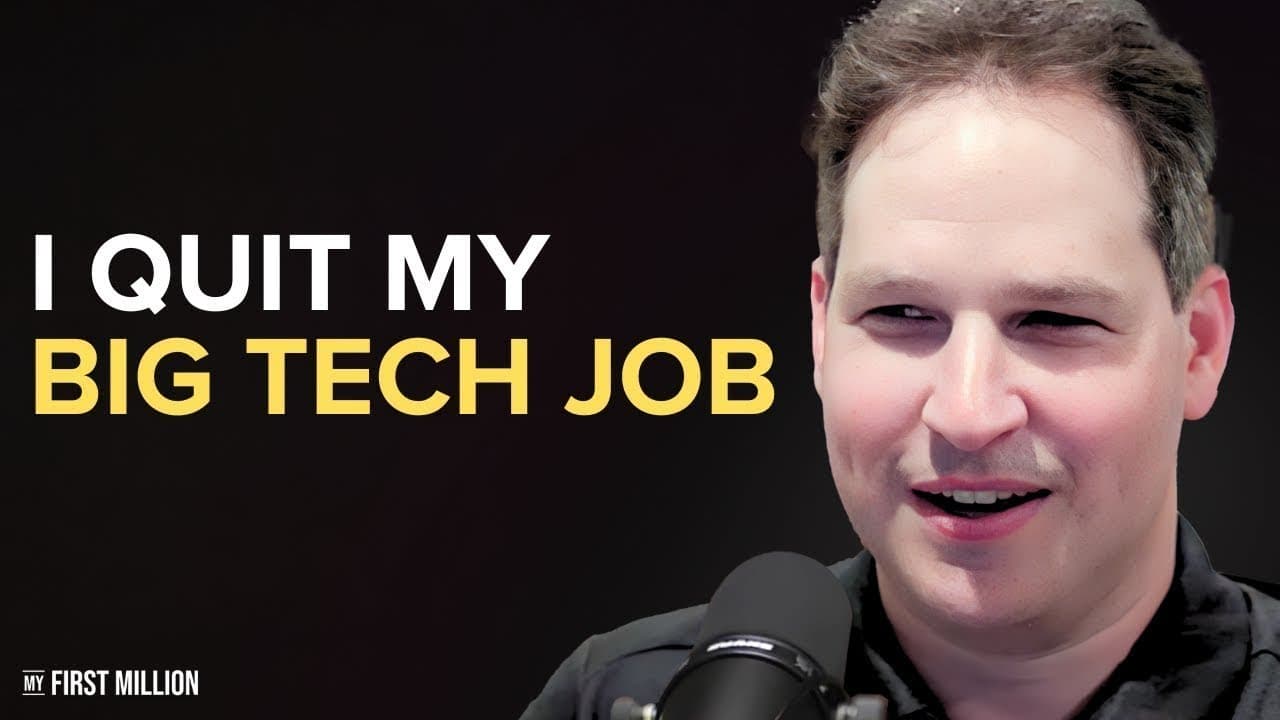
TL;DR
Buying an established business can build wealth by providing immediate cash flow and existing operations, but success depends on careful due diligence, suitable financing, and effective management. Dan Certner bought Fleet Packaging for $3.4 million using an SBA loan and seller financing, then doubled its profits within 18 months. Read on for the acquisition process, financing approach, transition priorities, risks, and lessons from his experience.
Transcript
If you've ever thought about buying a business, then this episode's going to be for you. Because on the internet, there are a lot of people telling you about how amazing it could be to just go buy a business that's already working. You just take out a loan, you put very little money down, and boom, you're cash flowing and you're working passively. ... Read More
Key Insights
- Buying a business can be a viable alternative to starting from scratch, offering immediate cash flow and established operations.
- Thorough due diligence is crucial to identify potential risks and validate the business's financial health.
- Seller financing can significantly reduce the upfront capital required, making business acquisition accessible.
- Building a rapport with the seller can facilitate smoother transitions and provide valuable insights into the business.
- The SBA loan program can be a valuable resource for financing business purchases with favorable terms.
- Focus on businesses with recurring revenue and essential services to ensure stability and growth potential.
- Entrepreneurship through acquisition suits those who are detail-oriented and willing to invest time in learning the business.
- The business acquisition process requires patience, as finding the right opportunity can take time and effort.
Install to Summarize YouTube Videos and Get Transcripts
Explore YouTube Video Summarizer or Get YouTube Transcript Extractor
Questions & Answers
Q: How did Dan Certner buy and grow Fleet Packaging?
Dan Certner acquired Fleet Packaging, a packaging distributor, for $3.4 million using an SBA loan and seller financing to limit his upfront investment. By optimizing operations and building on the company’s existing client relationships, he doubled its profits within 18 months.
Q: What does Fleet Packaging do?
Fleet Packaging helps large retailers in the United States purchase packaging, including the to-go bags customers receive at malls. It also supports warehousing and distribution and makes it easier for clients to buy bags overseas.
Q: Why buy an existing business instead of starting one?
An existing business can provide immediate cash flow, established operations, current customers, and working revenue streams. This lets the buyer concentrate on learning, optimizing, and growing the company instead of building every part from scratch.
Q: How can someone reduce the upfront cost of buying a business?
Dan Certner used both an SBA loan and seller financing when purchasing Fleet Packaging. This combination reduced the amount of initial capital he needed to contribute while allowing him to acquire an operating company.
Q: What should a buyer examine during due diligence?
Due diligence should test the company’s financial stability, operations, market position, customer contracts, supplier agreements, and growth potential. The goal is to validate the business’s viability and identify risks before completing the acquisition.
Q: What types of businesses can make attractive acquisition targets?
The page recommends looking for businesses with recurring revenue, essential services, stable customers, and established operations. Companies owned by retiring sellers may also create acquisition opportunities, especially when they have loyal clients and room for operational improvement.
Q: How can a buyer support a smooth transition after an acquisition?
Building rapport with the seller can preserve knowledge and help maintain continuity during the handover. The buyer should also understand the company’s operations and protect important customer and supplier relationships.
Q: What are the risks and realities of buying a business?
Buying a business is not automatically passive or effortless, despite claims that a buyer can simply borrow money, invest very little, and immediately receive cash flow. Finding the right company can require reviewing hundreds of businesses, while financing, negotiations, due diligence, and learning an unfamiliar operation all demand time and attention.
Summary & Key Takeaways
-
Dan Certner acquired a packaging business for $3.4 million, leveraging an SBA loan and seller financing to minimize upfront costs. He focused on due diligence, ensuring the business's financial stability and growth potential. Over 18 months, he doubled the company's profits by optimizing operations and capitalizing on existing client relationships. Certner's journey underscores the potential of entrepreneurship through acquisition, particularly for those with an eye for opportunity and a willingness to learn.
-
Certner's strategy involved finding a retiring business owner, ensuring a smooth transition, and maintaining strong client relationships. His focus on due diligence and leveraging seller financing enabled him to acquire the business with minimal initial capital. This approach highlights the potential for substantial growth through strategic acquisition and effective management.
-
The episode illustrates the benefits of buying an existing business, such as immediate cash flow and established operations. It emphasizes the importance of thorough due diligence, understanding market dynamics, and leveraging financing options like SBA loans and seller notes. Certner's success demonstrates the viability of entrepreneurship through acquisition for detail-oriented individuals willing to invest time in learning the business.
Read in Other Languages (beta)
Share This Summary 📚
Summarize YouTube Videos and Get Video Transcripts with 1-Click
Try YouTube Summary with ChatGPT & Claude or YouTube Transcript Generator
Explore More Summaries from My First Million 📚
Summarize YouTube Videos and Get Video Transcripts with 1-Click
Try YouTube Summary with ChatGPT & Claude or YouTube Transcript Generator