What Are Peptides? Uses, Risks & Insights
TL;DR
Peptides are short chains of amino acids that play crucial roles in various biological processes. They are used for their potential benefits in muscle growth, fat loss, and healing, though their safety and efficacy are still under research. Understanding the science behind peptides, including their receptors and effects, is vital for informed use.
Transcript
People are now stacking their GLP-1 as their insulin sensitivity tool, their growth hormone or their GHR >> and their androin modulation therapies as this trinity stack >> trinity stuff >> to get very fit, very healthy quickly. So a lot of these transformations you see in CEOs and celebrities and stuff is using a combination of those three things. ... Read More
Key Insights
- Peptides are short chains of amino acids that act as signaling molecules in the body.
- BPC-157 is a peptide known for its potential healing properties, especially in gut health and tissue repair.
- GLP-1 peptides are used for weight loss and improving insulin sensitivity, popularized by drugs like Ozempic.
- Peptides can be categorized based on whether they have known receptors or not, affecting their clinical outcomes.
- The legality and safety of peptides like BPC-157 are debated, with limited human trials conducted.
- Peptides are available from various sources, including compounding pharmacies and gray markets, with varying quality.
- Concerns exist about peptides promoting angiogenesis, potentially affecting tumor growth, though evidence is limited.
- Peptides like pinealon and epithalon are studied for cognitive and anti-aging effects, with anecdotal reports of improved sleep and mental clarity.
Install to Summarize YouTube Videos and Get Transcripts
Explore YouTube Video Summarizer or Get YouTube Transcript Extractor
Questions & Answers
Q: What are peptides and how do they function in the body?
Peptides are short chains of amino acids that serve as signaling molecules, influencing various biological processes. They can regulate functions such as hormone production, immune response, and tissue repair. Peptides interact with specific receptors on cells, triggering pathways that lead to their physiological effects.
Q: How is BPC-157 used and what are its potential benefits?
BPC-157 is a peptide studied for its potential benefits in healing and tissue repair, particularly in the gut and musculoskeletal system. It is believed to promote angiogenesis, modulate inflammation, and enhance growth factor signaling. However, its use in humans is primarily based on anecdotal evidence, with limited clinical trials supporting its efficacy.
Q: What are the concerns regarding the safety of peptides like BPC-157?
The safety of peptides like BPC-157 is a concern due to the lack of comprehensive human studies. While animal studies suggest potential benefits, there is limited data on long-term effects and possible risks, such as promoting tumor growth through increased angiogenesis. Regulatory and sourcing issues further complicate their safe use.
Q: How do GLP-1 peptides aid in weight loss and insulin sensitivity?
GLP-1 peptides enhance insulin sensitivity and promote weight loss by mimicking the effects of the body's natural GLP-1 hormone. They slow gastric emptying, increase satiety, and stimulate insulin secretion. Drugs like Ozempic utilize these peptides to aid in metabolic regulation, though long-term safety and effects remain under study.
Q: What is the regulatory status of peptides in the United States?
In the United States, peptides like BPC-157 are often available through compounding pharmacies and gray markets, labeled for research use only. Their regulatory status is complex, with ongoing debates about their classification and approval for medical use. This uncertainty poses challenges for clinicians and consumers seeking safe options.
Q: What are the potential cognitive benefits of peptides like pinealon?
Pinealon is a peptide studied for its potential cognitive benefits, including improved mental clarity and reduced brain fog. It may enhance brain metabolism and oxidative state, leading to better performance during cognitive tasks. Anecdotal reports suggest it may also affect sleep architecture, increasing REM sleep in some users.
Q: Why is there interest in peptides for anti-aging and longevity?
Peptides are of interest in anti-aging and longevity research due to their role in cellular signaling and repair. Compounds like epithalon and GHK-Cu are studied for their potential to modulate aging processes, improve skin health, and enhance overall vitality. However, more research is needed to confirm their efficacy and safety in humans.
Q: What are the challenges in sourcing safe and effective peptides?
Sourcing safe and effective peptides is challenging due to the variability in quality and regulatory oversight. Peptides are available from compounding pharmacies and gray markets, with differences in purity and formulation. Ensuring clean and authentic products is critical, as contamination or incorrect dosing can pose health risks.
Summary & Key Takeaways
-
Peptides are biologically active molecules that influence various physiological processes. BPC-157, a peptide with promising healing properties, is discussed for its effects on gut health and tissue repair. However, its safety and efficacy in humans remain under-researched, with most data derived from animal studies.
-
The video explores the regulatory landscape of peptides, highlighting the challenges in sourcing safe and effective compounds. Peptides like GLP-1s are gaining popularity for their metabolic benefits, though concerns about their long-term effects persist.
-
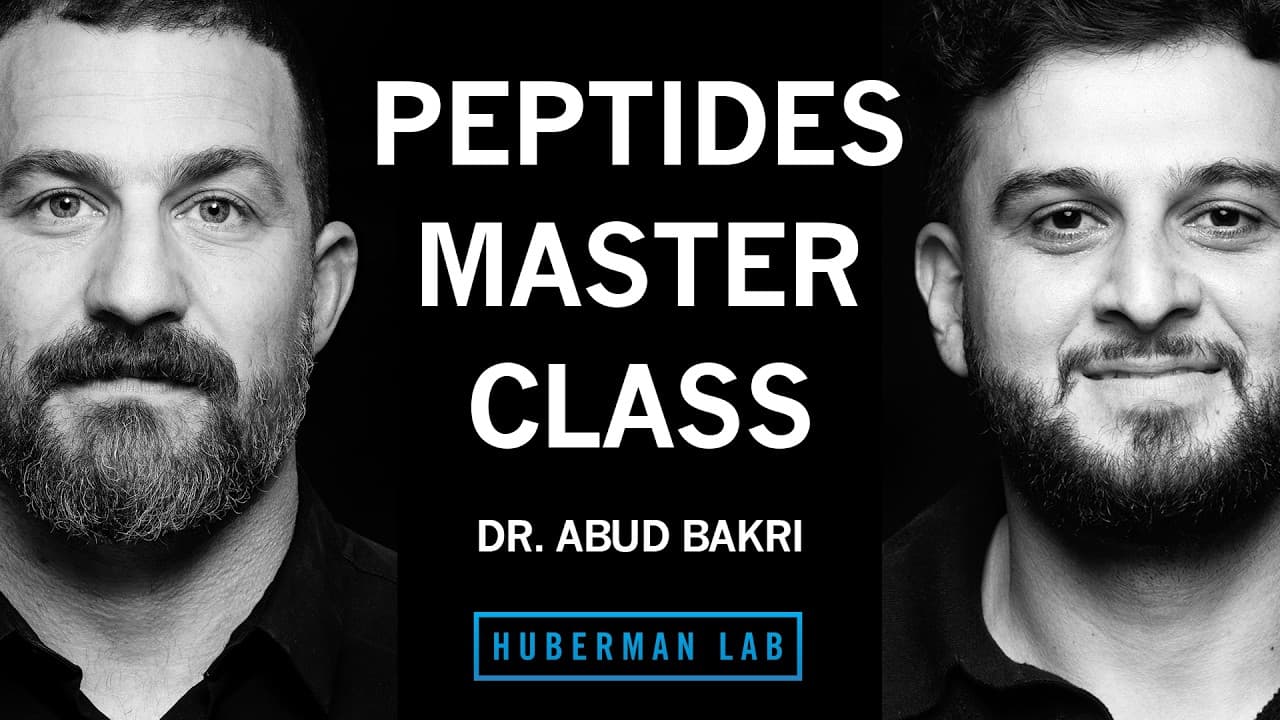
Dr. Bakri emphasizes the importance of understanding peptide mechanisms, including receptor interactions, to make informed decisions about their use. He advocates for more clinical trials to establish safety profiles and therapeutic potential, especially for compounds like BPC-157 and pinealon.
Read in Other Languages (beta)
Share This Summary 📚
Summarize YouTube Videos and Get Video Transcripts with 1-Click
Try YouTube Summary with ChatGPT & Claude or YouTube Transcript Generator
Explore More Summaries from Andrew Huberman 📚
Summarize YouTube Videos and Get Video Transcripts with 1-Click
Try YouTube Summary with ChatGPT & Claude or YouTube Transcript Generator