How Can Reliable Energy Create Global Abundance?
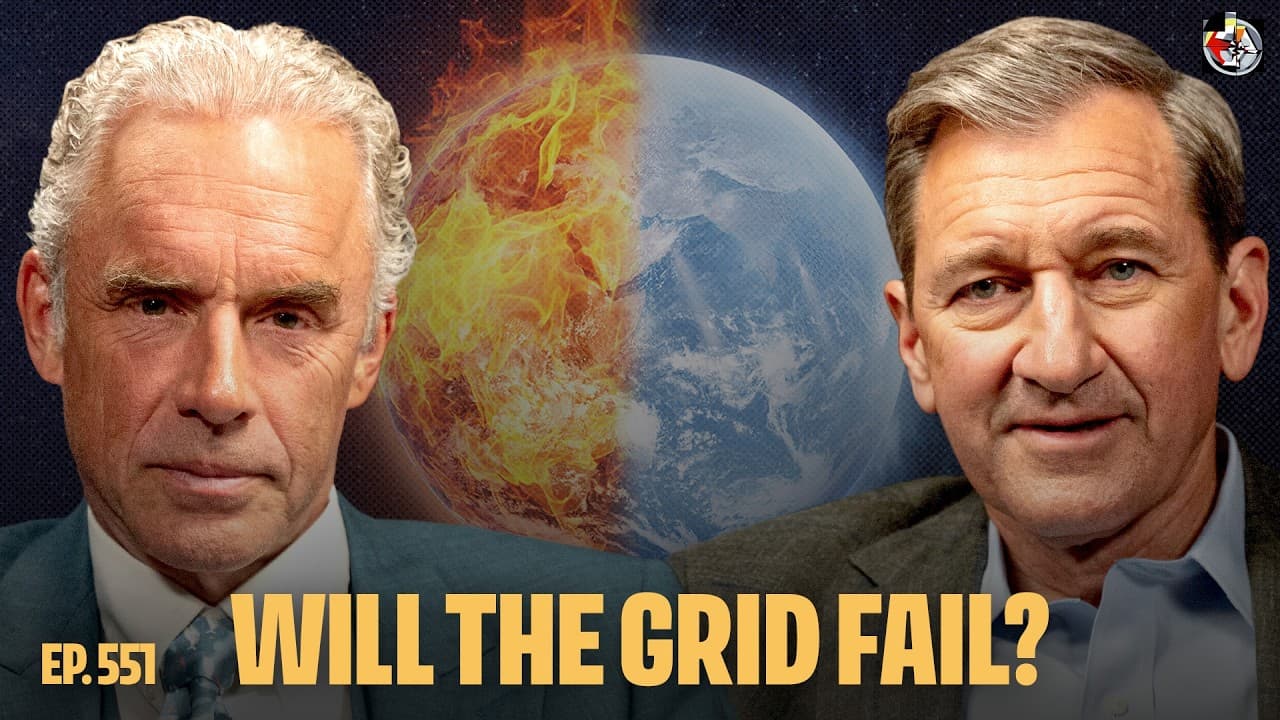
TL;DR
Reliable, widely available energy is presented as the foundation of work, wealth, economic development, and poverty reduction. Solar and wind can contribute to electricity systems, but their intermittency requires immediate backup and more difficult grid management. Scott Tinker advocates using multiple energy sources, including nuclear, rather than imposing a binary choice between renewables and fossil fuels.
Transcript
If you're concerned about people who are struggling, as far as I can tell, there's nothing more important than energy. There's a great experiment going on right now as we've put more intermittent energy. It's led by solar and wind onto grids. How much can you push that? When that sun or wind go away, something has to be there immediately to back th... Read More
Key Insights
- Energy is the foundation of work, wealth, and economic development, so reliable access is central to reducing poverty. The discussion presents radically available energy as the most appropriate way to help struggling populations and expand their opportunities.
- Reliability is as important as the quantity of energy supplied because modern electricity users expect continuous service. Hospitals, industries, homes, businesses, artificial intelligence systems, and data centers depend on stable power, while major blackouts can endanger human lives and disable large systems.
- Solar and wind are intermittent energy sources because sunlight and wind naturally come and go. This is a physical characteristic rather than a moral judgment, and grids must accommodate it whenever these sources provide a substantial share of electricity.
- Electricity is generated and consumed in real time, so lost solar or wind output must be replaced immediately. The need for responsive backup makes grid operation increasingly difficult as more variable generation is added without sufficient supporting infrastructure.
- Grid stability depends on controlling fluctuations while coordinating generation, high-voltage transmission, and step-down distribution. Tinker compares this structure to interstate highways narrowing into state highways, county roads, and household driveways, illustrating how electricity moves through several interconnected levels.
- Energy optionality is valuable because relying on only one or two sources concentrates risk. Tinker supports multiple inputs, including solar and wind, while emphasizing that energy sources are not interchangeable because their reliability and operating characteristics differ.
- Small-scale solar is useful where conventional infrastructure does not exist. Tinker describes installing a three-and-a-half-kilowatt array in an Indigenous Colombian village, providing electricity for light bulbs, ceiling fans, and a refrigerator where there were no wires, roads, or pipes.
- Nuclear power is presented as a clear response for people chiefly concerned about carbon dioxide emissions. Peterson argues that anti-nuclear policies in Spain and Germany suggest that parts of the green political agenda are motivated by objectives beyond carbon dioxide reduction.
Install to Summarize YouTube Videos and Get Transcripts
Explore YouTube Video Summarizer or Get YouTube Transcript Extractor
Questions & Answers
Q: Why is reliable energy important for reducing poverty?
Reliable energy supports work, wealth creation, economic development, and the systems on which modern life depends. The conversation argues that making energy radically available and dependable is the most effective way to serve struggling populations. It also links faster economic development with improvements to atmospheric emissions, land, air, and water, rather than treating material prosperity and environmental progress as incompatible goals.
Q: Why do solar and wind require backup power?
Solar and wind output changes because the sun sets, clouds can persist, and wind can stop. Electricity is generated and consumed in real time, so another source must replace disappearing output immediately if service is to continue. Without responsive backup and careful coordination, fluctuating inputs can make the grid difficult to manage and threaten the stable supply expected by modern electricity users.
Q: How does intermittent generation affect grid management?
Intermittent generation adds inputs that rise and fall with weather and time of day, while electricity demand and supply must remain balanced in real time. Grid operators must have other sources ready to respond immediately and must prevent damaging fluctuations. The challenge becomes more demanding as variable sources expand because the grid serves equipment and institutions that require stable, continuous electricity.
Q: What does the discussion say about the Spanish blackout?
The conversation describes the Spanish outage as a dangerous, major electricity failure that also affected Portugal and France. Peterson cites a Telegraph report alleging that authorities were testing how far renewable reliance could be pushed before Spain's planned nuclear phaseout from 2027. Tinker responds cautiously by emphasizing the physics of intermittency, the complexity of grids, and the danger blackouts pose to human life.
Q: Why does Scott Tinker support multiple energy sources?
Tinker supports multiple energy sources because optionality reduces dependence on a narrow set of technologies. He compares this principle to avoiding an investment portfolio built around a single stock. More inputs can strengthen an energy system, but he stresses that sources are not equal in their capabilities. Variable solar and wind output, for example, requires dependable support from sources that can respond when needed.
Q: Can solar power help communities without an electrical grid?
Solar power can provide valuable first access to electricity in places without conventional infrastructure. Tinker describes installing a three-and-a-half-kilowatt solar array in an Indigenous village in Colombia where there were no wires, roads, or pipes. The installation powered light bulbs in mud huts, ceiling fans, and a refrigerator, demonstrating that small-scale solar can meet important local needs even though scaling remains difficult.
Q: Why is nuclear energy central to the argument?
Nuclear energy is presented as a clear option for reducing carbon dioxide emissions while maintaining dependable electricity. Peterson argues that green political movements opposing nuclear power in Spain and Germany undermine the claim that carbon dioxide reduction is their sole or primary objective. Within the conversation's broader framework, nuclear belongs in a diverse energy portfolio rather than being excluded on ideological grounds.
Q: How are electricity grids structured and why does that matter?
Electricity grids connect several generation sources to transmission and distribution systems that operate at different voltages. Power leaves plants at high voltage, travels across major transmission lines, and is progressively stepped down before reaching homes, hospitals, industries, and businesses. Tinker compares this structure to interstate highways narrowing into state highways, county roads, and driveways, emphasizing the grid's interconnected complexity.
Summary & Key Takeaways
-
Scott Tinker argues that abundant and reliable energy is essential to prosperity, poverty reduction, and modern life. Because energy enables work and wealth creation, restricting access harms people who have the least. He presents broader energy provision and faster economic development as practical routes toward cleaner environments and greater human opportunity worldwide.
-
Solar and wind provide useful electricity, including first access for communities without wires, roads, or pipes. Their value does not remove their physical limitations. Since generation falls when sunlight or wind disappears, grids need backup that can respond immediately while maintaining the stable electricity required by homes, hospitals, industries, and businesses.
-
The discussion rejects a simple conflict between renewable energy and fossil fuels. Tinker favors energy optionality because different sources offer different capabilities and none should be dismissed automatically. Peterson also argues that opposition to nuclear power weakens claims that reducing carbon dioxide is the overriding objective of current green energy politics and policy.
Read in Other Languages (beta)
Share This Summary 📚
Summarize YouTube Videos and Get Video Transcripts with 1-Click
Try YouTube Summary with ChatGPT & Claude or YouTube Transcript Generator
Explore More Summaries from Jordan B Peterson 📚



Summarize YouTube Videos and Get Video Transcripts with 1-Click
Try YouTube Summary with ChatGPT & Claude or YouTube Transcript Generator