How will AI affect recent grads' job prospects?
TL;DR
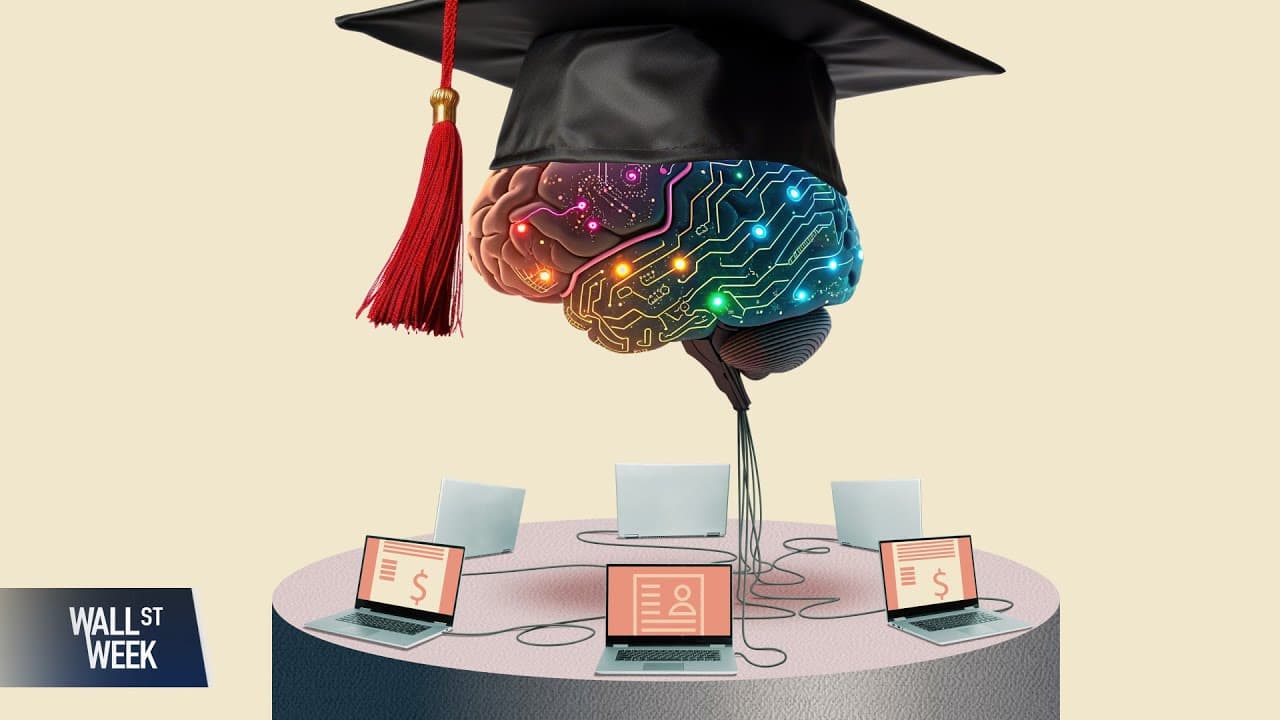
AI adoption is linked to weaker early employment for recent grads, especially in tech and finance. The data show unemployment for grads rising above the broader rate as hiring cools, and AI could accelerate that trend in entry level roles. This report advises staying flexible and developing uniquely human skills.
Transcript
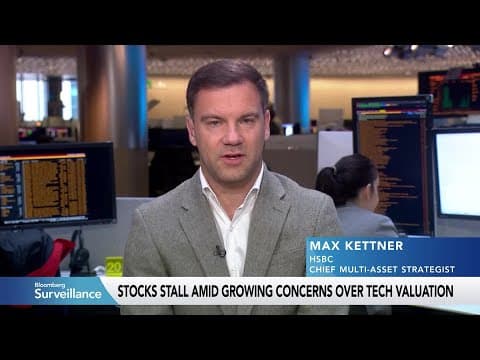
We start with another uncomfortable truth linked to AI-- the possibility that this time, it really is different, different in what technological change is doing to recent college graduates trying to start their careers. There is no question that AI is here to stay. Just last month, we reported that Anthropic, a company that didn't exist 6 years ago... Read More
Key Insights
- AI adoption correlates with reduced entry level opportunities for new graduates in tech and finance.
- Recent graduate unemployment has climbed above the rate for all workers in some periods, a deviation not seen in decades.
- The tech sector shows higher AI adoption, which aligns with tighter job markets for graduates in that field.
- Female graduates tend to shift toward health care and education, where demand remains higher than in male-dominated fields.
- Male graduates show heavier concentration in computer science and related fields, where demand is weaker currently.
- Industry data from Indeed indicate junior level openings are down while senior openings rise, suggesting a shift in hiring dynamics.
- Professionals foresee a long term productivity gain from AI, but warn of short term employment disruption for new entrants.
- To prepare, emphasis on broad thinking, humanities, and skills that models cannot easily replicate is advised.
- More videos from this channel:
- More from this channel: Bloomberg Television
Install to Summarize YouTube Videos and Get Transcripts
Explore YouTube Video Summarizer or Get YouTube Transcript Extractor
Questions & Answers
Q: How could AI affect entry level job prospects for new graduates?
AI adoption is linked to changes in the job market for recent graduates, particularly in tech and finance. As companies deploy AI to automate routine tasks, junior positions may become harder to fill, while senior roles remain comparatively steadier. Economists highlight a cooling labor market post pandemic as a contributing factor, and AI amplifies that trend by reducing demand for some entry level work. Graduates may need to pivot toward roles that require complex judgment, interpersonal skills, and adaptable problem solving, which are less susceptible to automation.
Q: What trends are seen in unemployment among recent graduates?
Recent college graduates have experienced unemployment that, at times, sits above the unemployment rate for all workers. This marks a shift in historical patterns over many years, where graduates typically fared better. The trend is attributed to slower post pandemic demand and accelerating AI adoption, with the tech sector showing the strongest signal of impact. The pattern is nuanced by field, school, and geography, but the overall message is that entry level hiring has cooled.
Q: Which industries are most affected by AI for graduates?
Tech and finance are highlighted as industries where junior level openings have been affected by AI adoption. The data show that these sectors have higher AI usage in daily operations, correlating with fewer entry level opportunities. However, some fields like health care and educational services remain in higher demand for new entrants, offering paths for graduates who diversify their target industries.
Q: What is the outlook for long term productivity versus short term employment for AI?
Industry leaders acknowledge AI will raise long term productivity, enabling more efficient work and new business models. In the short term, however, there is concern about dramatic employment shifts, especially for white collar and entry level roles. The balancing act is to drive progress while protecting workers, with particular attention to those entering the labor market for the first time.
Q: How do gender differences appear in recent graduate employment data?
Data indicate that unemployment among recent graduates has been concentrated among males, with females more often moving into health care services and educational services where demand remains robust. This difference reflects broader industry demand patterns and suggests labor market flexibility across genders, though it also highlights the uneven impact AI can have across fields.
Q: What career advice is offered to help grads prepare for AI changes?
Experts advise staying flexible and developing uniquely human skills that are less likely to be automated. Broad based thinking, critical thinking, and the ability to learn and adapt are emphasized. Writing and humanities studies are encouraged to broaden the candidate's thinking and improve judgment, helping graduates produce outputs grounded in facts that models may not generate.
Q: Are junior level postings recovering or continuing to fall?
Analyses show that junior level postings have tumbled over the last two years and are now below pre-pandemic levels, while senior level openings have risen. This pattern suggests a long term shift in hiring, where competition for limited entry level roles is intense and employers prioritize candidates with stronger proven track records and specialized skills.
Q: What factors should graduates monitor besides AI when entering the job market?
Graduates should watch overall demand trends in their target fields, internship availability, and the pace of hiring in large sectors like tech and finance. Networking, internships, and relevant project work can improve odds, while expanding search to jobs that value human interaction or interdisciplinary thinking can create additional paths. Staying adaptable will help navigate a shifting landscape.
Summary & Key Takeaways
-
Recent grads face tougher entry level hiring in tech and finance as AI adoption rises and overall demand cools, creating a challenging job market. Employers are cautious, postings for junior roles have declined, and openings for experienced workers are relatively steadier. The overall landscape is shifting in favor of adaptable, broad skill sets.
-
Economists note that AI could help productivity in the long run but may cause a short term employment shock for new graduates. The sector with higher AI adoption shows more pronounced employment changes for those aged 22 to 27, compared with older workers.
-
Experts suggest focusing on skills that are hard to automate, including critical thinking, writing, and judgment, while expanding the search beyond traditional fields to roles that value human interaction and interdisciplinary thinking.
Read in Other Languages (beta)
Share This Summary 📚
Summarize YouTube Videos and Get Video Transcripts with 1-Click
Try YouTube Summary with ChatGPT & Claude or YouTube Transcript Generator
Explore More Summaries from Bloomberg Television 📚





Summarize YouTube Videos and Get Video Transcripts with 1-Click
Try YouTube Summary with ChatGPT & Claude or YouTube Transcript Generator