Why Did Stocks Fall as Small Caps Outperformed?
TL;DR
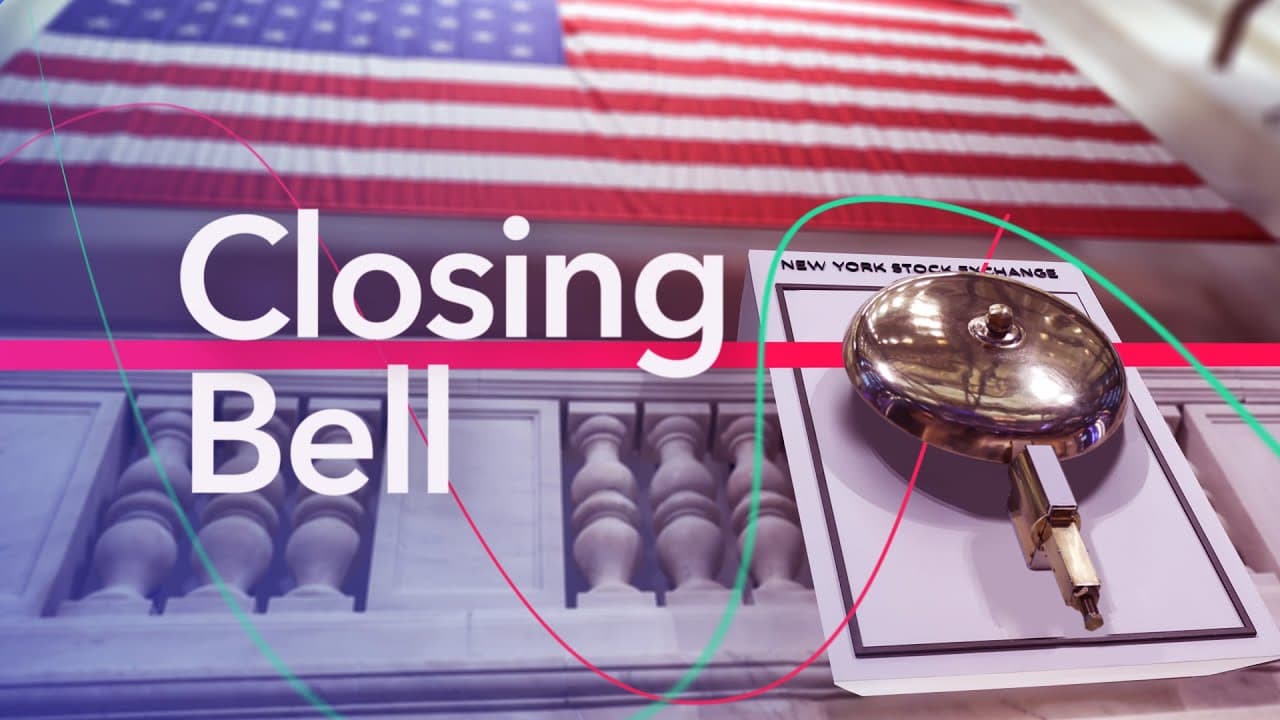
Stocks fell mainly because technology and bank shares weakened, but the broader market was more resilient than the headline indexes suggested. More than 300 S&P 500 companies gained, while equal-weighted, mid-cap, and small-cap benchmarks rose, indicating a possible rotation away from large technology stocks and toward smaller or cyclical companies.
Transcript
And right now we are 2 minutes away from the end of the trading day. Romaine Bostick alongside David Gura here to take you through to the closing bells with the global simulcast. It starts right now. Carol Massar and Tim Stenovec in the radio room. Katie greifeld on assignment today. Welcome to our audiences across all of our bloomberg platforms, i... Read More
Key Insights
- Headline index losses concealed broad participation beneath the surface. The S&P 500 fell about half a percent, yet 318 of its members gained, 184 declined, and one was unchanged, showing that weakness was concentrated in influential companies rather than spread evenly across the index.
- Technology weakness was a major source of pressure on the market. The Nasdaq Composite and Nasdaq 100 each declined about 1%, while information technology ranked among the weakest S&P 500 sectors and application software companies such as AppLovin, Intuit, and DocuSign experienced substantial selling.
- Small-cap outperformance was one of the session's clearest trends. The Russell 2000 gained about 0.7% and outperformed the S&P 500 for a ninth consecutive day, marking the longest relative outperformance streak since 1990, although the hosts cautioned that the rotation still needed to demonstrate staying power.
- Bank stocks fell after their earnings reports highlighted cost pressures. Bank of America declined close to 4%, Wells Fargo dropped 4.6%, and Citigroup lost 3.3% as investors weighed expenses, severance costs, missed profit estimates, and Citigroup's indication that further job reductions could occur.
- Chemical producers benefited from improving industry conditions. Dow and LyondellBasell gained roughly 6.5% and 6.8%, respectively, as improving polyethylene prices, falling ethane costs, and higher oil prices supported the outlook for integrated margins and gave gas-based United States producers an advantage.
- Strategy shares rose after a company director bought about 5,000 shares. The purchase was his first in three and a half years and followed a nearly 70% decline from the stock's November peak, reversing a previous pattern documented through 19 separate filings that showed only stock sales.
- Treasury yields moved meaningfully lower following economic data. The 30-year and 10-year yields each declined about four basis points, while the two-year yield fell roughly two basis points. The longer-term yield declines were the largest one-day moves reported in at least about two months.
- The NYC Token demonstrated the risks surrounding newly promoted crypto assets. Its price surged as high as $0.58 before falling below $0.10, while its reported market capitalization moved from approximately $600 million to $100 million and then about $10 million, prompting comparisons with a rug pull.
Install to Summarize YouTube Videos and Get Transcripts
Explore YouTube Video Summarizer or Get YouTube Transcript Extractor
Questions & Answers
Q: Why did the S&P 500 fall even though most stocks gained?
The S&P 500 fell because weakness was concentrated in heavily weighted companies and sectors, particularly information technology. Although the index lost about half a percent, 318 members gained, 184 declined, and one was unchanged. The equal-weighted S&P 500 rose 0.4%, confirming that the average constituent performed better than the capitalization-weighted headline index.
Q: Was the market experiencing a rotation away from technology stocks?
The session showed evidence consistent with a rotation, but the hosts said its durability remained uncertain. Technology declined while the equal-weighted S&P 500, mid-caps, and small caps advanced. The Russell 2000 also outperformed the S&P 500 for a ninth straight day, its longest relative outperformance streak since 1990, suggesting investors were broadening beyond major technology shares.
Q: Why did Bank of America, Wells Fargo, and Citigroup shares decline?
The three banks declined as investors focused on costs and other concerns within their earnings reports. Bank of America fell close to 4% amid expense worries despite record fourth-quarter equity trading. Wells Fargo dropped 4.6% after severance costs raised expenses and profit missed estimates. Citigroup lost 3.3% as Jane Fraser signaled a higher performance bar and possible additional job cuts.
Q: Which market segments outperformed the major stock indexes?
Smaller and more equally weighted companies outperformed the major capitalization-weighted indexes. The S&P 500 equal-weight index gained 0.4%, the S&P 400 mid-cap index rose 0.1%, and the Russell 2000 added about 0.7%. Dow transports were approximately unchanged, while the S&P 500 declined about half a percent and the Nasdaq Composite fell roughly 1%.
Q: Why did Dow and LyondellBasell shares rise sharply?
Dow and LyondellBasell rose as conditions improved for United States chemical producers. A Citi analyst removed a 90-day downside catalyst watch as polyethylene prices improved and ethane prices declined, supporting integrated margins. Higher oil prices also gave gas-based producers an advantage. Dow gained about 6.5%, while LyondellBasell advanced approximately 6.8% during the session.
Q: Why did Strategy stock attract investor attention?
Strategy attracted attention after director Carl Ricketson bought about 5,000 shares, his first company share purchase in three and a half years. The transaction followed a nearly 70% decline from the stock's November peak. It also reversed his previous pattern, as 19 separate filings during the preceding three and a half years had shown only stock sales.
Q: What happened to Treasury yields during the trading session?
Treasury yields declined after the release of economic data. The 30-year and 10-year yields each fell about four basis points, while the two-year yield dropped roughly two basis points. According to the discussion, the declines in the 10-year and 30-year yields represented their most meaningful one-day downward moves in at least about two months.
Q: What happened to the NYC Token promoted by Eric Adams?
The NYC Token rose as high as $0.58 and then crashed below $0.10, leading crypto market observers to compare the episode with a rug pull. Its reported market capitalization was discussed as falling from about $600 million to $100 million and then approximately $10 million. A portion of proceeds was presented as supporting efforts against antisemitism and educating children about blockchain.
Summary & Key Takeaways
-
The S&P 500 declined for a second consecutive session, losing about half a percent, while the Nasdaq Composite and Nasdaq 100 each fell roughly 1%. Technology weakness weighed heavily on capitalization-weighted indexes, even though 318 S&P 500 members advanced and only 184 declined during the session.
-
Market performance showed a notable divide between large technology companies and smaller stocks. The S&P 500 equal-weight index gained 0.4%, mid-caps rose 0.1%, and the Russell 2000 advanced 0.7%. Small caps outperformed the S&P 500 for a ninth consecutive session, their longest such streak since 1990.
-
Banks declined after earnings reports raised concerns about expenses, severance costs, and potential job cuts. Chemical and fertilizer companies were among the strongest performers, while software, tariff-sensitive consumer brands, hotels, resorts, cruise lines, and homebuilders weakened. Treasury yields also recorded their most meaningful one-day decline in about two months.
Read in Other Languages (beta)
Share This Summary 📚
Summarize YouTube Videos and Get Video Transcripts with 1-Click
Try YouTube Summary with ChatGPT & Claude or YouTube Transcript Generator
Explore More Summaries from Bloomberg Television 📚



Summarize YouTube Videos and Get Video Transcripts with 1-Click
Try YouTube Summary with ChatGPT & Claude or YouTube Transcript Generator