How to Build a Content Moat in the Age of AI
TL;DR
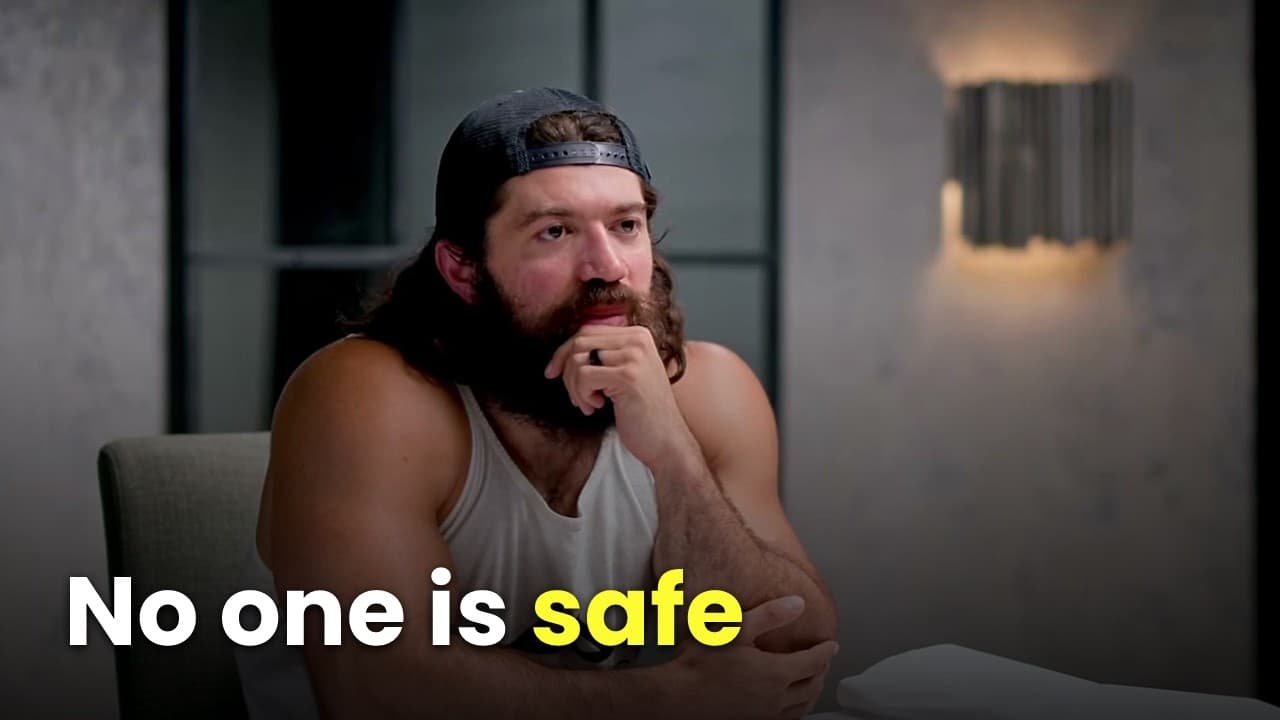
Build a durable content advantage by showing reality: verified results, earned reputation, difficult access, and work that competitors cannot easily reproduce. As AI expands the supply of inexpensive content, generic tips become less valuable, while live interactions, real stakes, documented effort, and experience-based education remain credible because audiences can see why the creator deserves their trust.
Transcript
One of the things that, you know, a lot of founders, entrepreneurs are thinking about the moment is producing content. >> Mhm. >> We're living in in in an interesting time where a kid in Mumbai or a kid in Manhattan can both produce content using LLMs, uh AI. They can produce videos theoretically. If you imagine any rate of improvement, they're goi... Read More
Key Insights
- Reality is the central content moat because genuine accomplishments, reputation, relationships, and experiences cannot be reproduced simply by prompting an AI system. A creator supported by visible real-world evidence gives audiences a reason to choose that person over countless sources offering similar words.
- AI is creating a supply shock in content by enabling people to produce videos, photos, quotes, and automated posts more easily. With audience attention described as stagnant or declining among younger viewers, each additional unit of interchangeable content is likely to become less valuable.
- Credibility becomes more important as the consequences of following advice increase. A weak makeup recommendation may cause only a bad day, while poor personal finance or business guidance can cost money or threaten a company, encouraging audiences to scrutinize the source more carefully.
- Educational content is more defensible than entertainment when its value depends on trusted behavioral guidance. Entertainment exists primarily to be consumed, while education aims to change behavior, so audiences have a stronger incentive to seek proven expertise when acting on the information carries meaningful risk.
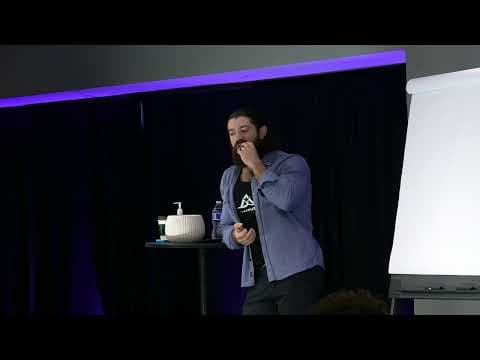
- Live and in-person content is comparatively difficult to replace because it can involve real people, spontaneous interaction, and visible stakes. Gathering hundreds of established business owners to discuss actual problems demonstrates access and expertise that a generic creator or automated system cannot easily imitate.
- Hard and scarce production creates differentiation when the difficulty is substantive. Coordinating nine cameras, securing prominent guests, or assembling successful entrepreneurs requires resources, relationships, and execution, making the resulting content harder to copy than ordinary commentary or generated tips.
- Commoditized tips are vulnerable when the creator cannot answer why an audience should listen. Without proof of skill, outcomes, or effort, viewers must spend more energy evaluating every claim and may instead select an established authority whose record reduces that cognitive burden.
- Proof of effort can establish credibility before proof of outcome exists. New creators can document long workdays, record real sales calls, capture valuable moments, and condense extensive activity into short lessons, showing commitment while giving the audience a useful compression of time.
- More videos from this channel:
- More from this channel: MoreMozi
Install to Summarize YouTube Videos and Get Transcripts
Explore YouTube Video Summarizer or Get YouTube Transcript Extractor
Questions & Answers
Q: What creates a defensible content moat in the age of AI?
A defensible content moat comes from reality: demonstrated outcomes, earned reputation, distinctive access, authentic relationships, and experiences that competitors cannot generate on demand. AI can reproduce formats and rephrase advice, but it cannot retroactively build a company, assemble a record of results, or create genuine authority. Content becomes stronger when it visibly connects ideas to real accomplishments and stakes.
Q: Why will generic content become less valuable as AI improves?
Generic content becomes less valuable because AI makes videos, photos, quotes, and automated posting available to far more creators. That produces a large supply increase while the available time for consuming content remains limited and is described as beginning to decline among Gen Z. When many pieces communicate interchangeable advice, audiences and algorithms have fewer reasons to reward any single item.
Q: Why does credibility matter more for high-risk advice?
Credibility matters more when a wrong decision has serious consequences. An ineffective beauty tip may result in a bad day of makeup, while flawed personal finance guidance can lose money and poor business advice can endanger a company. As the cost of error rises, people are more likely to evaluate the source and favor someone whose real record supports the recommendation.
Q: How can a new creator build credibility without major results?
A new creator can use proof of effort before having proof of outcome. The suggested approach is to document demanding, relevant work in public, such as recording a full day of sales calls and extracting the strongest moments. Time, persistence, and visible practice provide evidence that the creator is doing the work, while authentic situations supply material that generated commentary cannot duplicate easily.
Q: What kinds of content are most vulnerable to AI competition?
Commoditized tips and tricks are especially vulnerable when they come from creators with no evidence of expertise. Fictional and entertainment content may also face stronger pressure because its primary goal is consumption and AI can increasingly help produce it. The risk is greatest when a piece has no real stakes, distinctive access, personal record, or clear answer to why the audience should trust its creator.
Q: Why are live and in-person formats more defensible?
Live and in-person formats are more defensible because they display real people responding to genuine situations with visible stakes. Bringing hundreds of million-dollar-plus business owners together to ask about actual problems requires credibility, coordination, and access. Although AI avatars may eventually participate in live formats, the argument is that authentic interaction remains difficult to replace in the short-to-medium term.
Q: How do hard and scarce elements strengthen content?
Hard and scarce elements strengthen content by making it costly or difficult for others to reproduce. Examples include shooting with nine cameras, persuading prominent guests to participate, and gathering successful entrepreneurs in one location. The moat does not come only from production expense. It also comes from relationships, trust, reputation, and achievements that make the production possible in the first place.
Q: How does useful content compress time for the audience?
Useful content compresses time by turning extensive work and experience into a concise lesson. A creator might summarize the best moments from 22 calls or reduce a 12-hour sales day to three minutes. An experienced operator can similarly condense 14 years of business learning into 37 minutes. The audience receives a favorable exchange because it avoids repeating the entire learning process independently.
Summary & Key Takeaways
-
AI tools allow creators almost anywhere to generate videos, photos, quotes, and automated posts, creating a major increase in content supply while audience attention remains limited. Individual posts therefore become less valuable, follower counts provide weaker distribution guarantees, and creators need advantages that cannot be reproduced merely by generating more material.
-
The proposed moat is reality, expressed through reputation, proven outcomes, difficult access, live interaction, and meaningful stakes. Successful business and investing figures command attention because their advice is supported by companies, records, and experience. Even better wording from an unknown creator may lack the authority that makes audiences trust established sources.
-
Creators without major outcomes can establish credibility through proof of effort. They can document demanding work, capture authentic moments, and compress long experiences into useful lessons. The strongest content delivers a clear bargain to the audience by turning many calls, hours, or years of learning into concise material that saves time.
Read in Other Languages (beta)
Share This Summary 📚
Summarize YouTube Videos and Get Video Transcripts with 1-Click
Try YouTube Summary with ChatGPT & Claude or YouTube Transcript Generator
Explore More Summaries from MoreMozi 📚

Summarize YouTube Videos and Get Video Transcripts with 1-Click
Try YouTube Summary with ChatGPT & Claude or YouTube Transcript Generator