How to stop a cockpit hijack in midair for passenger safety
TL;DR
The attackers were contained when passengers and crew overwhelmed the co pilot and assisted the captain, enabling the aircraft to recover from a dangerous nose dive. The captain opened the cockpit door and distress signals were sent, prompting authorities to intervene. The rescue led to a safe landing with all 174 passengers and crew surviving.
Transcript
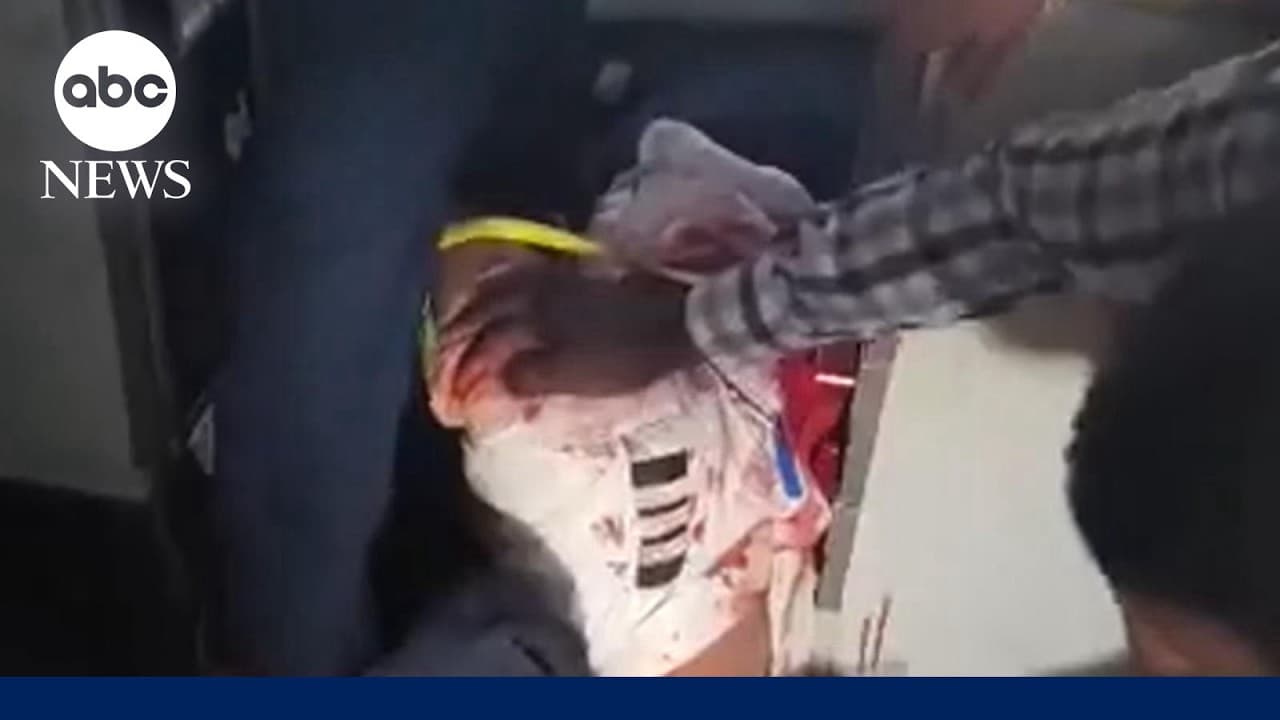
This terrifying mid-air attack in the cockpit of a passenger plane. One of the pilots turning to the other and began stabbing him while the plane was in the air. Authorities say in an effort to crash the plane. The images are difficult tonight. Video showing the captain badly bleeding. He was stabbed about 2 hours into the flight from the UAE to Te... Read More
Key Insights
- The attack began with the co pilot stabbing the captain, triggering an immediate threat to the flight and prompting emergency procedures. This event underscores how quickly danger can escalate in the cockpit and the crucial role of rapid response.
- The captain managed to unlock the cockpit door during the crisis, allowing passengers to intervene, which shows the importance of control access mechanisms and how trained crew can regain control under extreme pressure.
- The nose dive dropped the aircraft 14,000 feet in less than 30 seconds, illustrating how rapidly a flight can deteriorate and the need for swift situational awareness and communication to stabilize the situation.
- Passengers and crew formed a united front to subdue the attacker, demonstrating the potential for on board teamwork to avert catastrophe when standard security measures fail.
- A hero intervention by a passenger who later described learning to fly by watching TV emphasizes how improvised solutions can have a real impact in crisis moments.
- A third pilot stepped in to assist during the recovery, highlighting the value of additional training and cross crew coordination in high risk circumstances.
- The incident prompted air travel authorities to review cockpit security and hijack response protocols to strengthen defenses against future threats.
- Post flight, the event was publicly acknowledged by media and leaders, reflecting the social impact of aviation security incidents and the importance of transparent reporting.
Install to Summarize YouTube Videos and Get Transcripts
Explore YouTube Video Summarizer or Get YouTube Transcript Extractor
Questions & Answers
Q: What is the likely sequence of events in the cockpit during the incident?
The sequence began with the co pilot stabbing the captain, creating an immediate threat inside the cockpit. The attacker then attempted to plunge the plane into a dive while the crew and passengers responded. The captain managed to unlock the door and call for help, and passengers stormed the cockpit to restrain the attacker. A third pilot provided support as the aircraft was brought under control and stabilized for a safe landing.
Q: How did passengers contribute to preventing a disaster?
Passengers contributed by storming the cockpit to assist the captain after the door was opened, restraining the attacker, and aiding in stabilizing the aircraft. Their actions were critical in reversing the nose dive and preventing a catastrophic outcome. One passenger later described learning flight controls by watching television, underscoring improvised yet crucial contributions under pressure.
Q: What role did the captain play during the incident?
The captain fought to maintain control after being attacked, managed to unlock the cockpit door, and issued distress signals. His actions were pivotal in initiating a successful response, enabling passengers and crew to subdue the attacker and regain control of the aircraft, which ultimately led to a safe landing.
Q: Who assisted in stabilizing the flight apart from the captain and passengers?
A third pilot joined the operation to support stabilizing the aircraft after the initial breach. This additional pilot’s involvement provided critical expertise, helping to manage the recovery from the nose dive and coordinate with other crew members and passengers to restore control.
Q: What does this incident reveal about cockpit security and access during emergencies?
The incident highlights the vulnerability of cockpit access during extreme emergencies and the importance of rapid cooperation between pilots, crew, and passengers. It underscores the need for effective security procedures and potential enhancements to door mechanisms to ensure safety without compromising the ability to respond under threat.
Q: What were the outcomes for those involved after the landing?
All 174 people on board survived after the plane landed safely in Saudi Arabia. The captain, though severely injured, began recovery, and the incident drew praise for the passengers and crew who acted decisively. Investigations were initiated to determine the precise sequence of events and the attacker’s motives.
Q: What can be learned about crisis communication from this event?
Crisis communication played a crucial role in coordinating actions aboard the aircraft, with distress signals and announcements helping to maintain order and inform responders. The incident shows the importance of clear, concise messaging during high stress to guide passengers and crew toward safe, decisive actions.
Q: How did authorities respond to the incident after landing?
Authorities reportedly detained the co pilot in Saudi Arabia for interrogation following the event. The response also involved medical teams preparing for post flight care and ongoing investigations into the hijacking attempt, with public figures commenting on the bravery of those aboard and the need for continued vigilance in aviation security.
Summary & Key Takeaways
-
A breakdown of the mid air attack shows how a hijacking attempt was thwarted by on board personnel and pilots, resulting in a successful recovery of control and a safe landing. The event demonstrates the importance of crew training, passenger cooperation, and timely emergency communications.
-
The incident involved a nose dive of 14,000 feet and a dramatic cockpit breach that was reversed through coordinated action by the captain, a third pilot, and multiple passengers who subdued the attacker.
-
The aftermath included recognition of the heroism displayed on board and ongoing investigations, highlighting the dangers of airborne attacks and the need for clear procedures for cockpit access and hijacking responses.
Read in Other Languages (beta)
Share This Summary 📚
Summarize YouTube Videos and Get Video Transcripts with 1-Click
Try YouTube Summary with ChatGPT & Claude or YouTube Transcript Generator
Explore More Summaries from ABC News 📚





Summarize YouTube Videos and Get Video Transcripts with 1-Click
Try YouTube Summary with ChatGPT & Claude or YouTube Transcript Generator