What to Expect at the Arizona-Sonora Desert Museum?
TL;DR
The Arizona-Sonora Desert Museum offers a unique experience by showcasing animals in naturalistic habitats. Visitors can learn about various species like mountain lions and javelinas, as well as conservation efforts like the captive breeding program for Desert Bighorn sheep. The museum combines elements of a natural history museum, zoo, and botanical garden, providing an immersive glimpse into the Sonoran Desert ecosystem.
Transcript
- I'm Coyote Peterson, and today we're going behind the scenes at the Arizona-Sonora Desert Museum. (fast drum beating music) - This morning we made the beautiful drive across the Sonoran Desert to arrive in Tucson Mountain Park, which is home to the Arizona-Sonora Desert Museum, established in 1952, by William Carr and Arthur Pa... Read More
Key Insights
- 🫒 The Arizona-Sonora Desert Museum is a living museum that aims to create naturalistic environments for animals.
- ♻️ Providing choices and stimulating environments is crucial for the well-being of animals in captivity.
- 👥 Javelinas use social grooming behaviors, such as rubbing each other's scent glands, to identify themselves and bond with their group.
- 🧑🏭 The captive breeding program for Desert Bighorn sheep helps maintain a genetically diverse population and acts as a backup in case of a population crash.
- 🏡 The museum combines the roles of a natural history museum, zoo, and botanical garden to educate visitors about the Sonoran Desert and its inhabitants.
- 🎟️ The museum's mission includes conservation efforts and rescuing animals in need.
- 🍰 Visitors can experience a condensed version of the Sonoran Desert at the museum, immersing themselves in its unique habitat in a shorter period of time.
Install to Summarize YouTube Videos and Get Transcripts
Explore YouTube Video Summarizer or Get YouTube Transcript Extractor
Questions & Answers
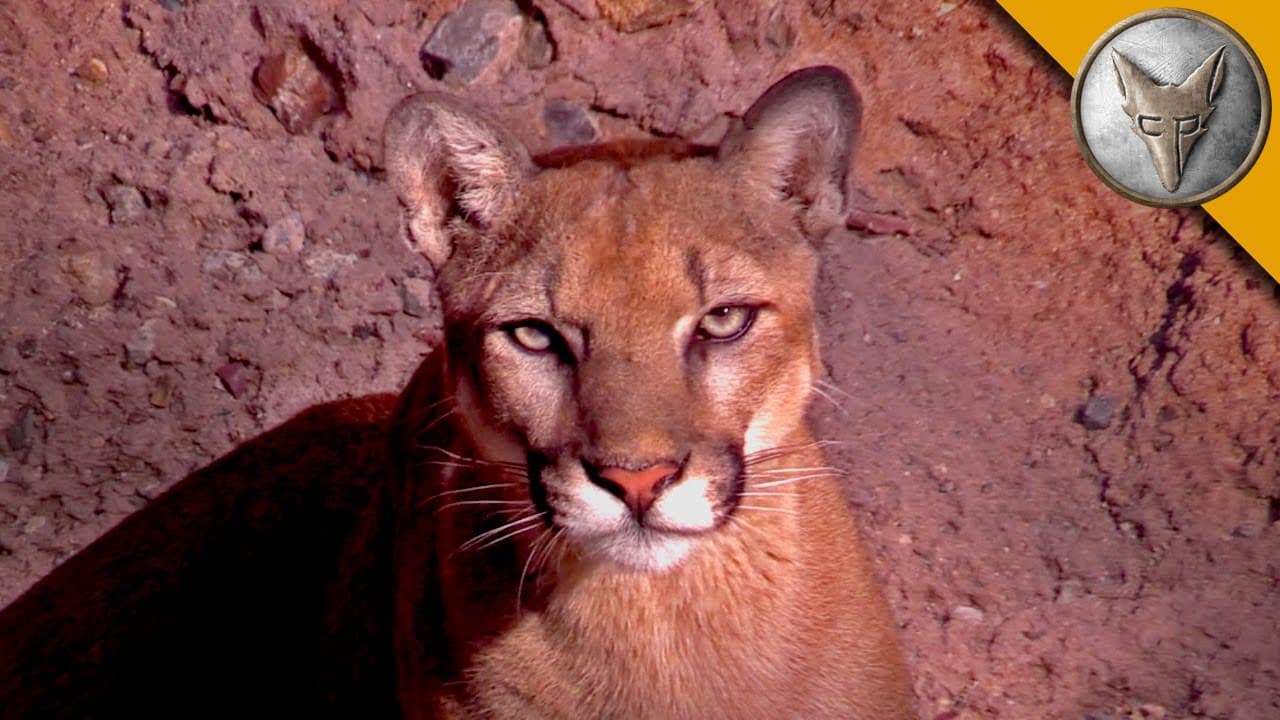
Q: How did the mountain lion in the exhibit end up at the museum?
The mountain lion was found as a young cub in California after his mother was killed. He was too young to survive on his own, so he was brought to the museum.
Q: What do javelinas eat and how do they use their tusks?
Javelinas eat a variety of food, including seasonal fruits like prickly pear. Their tusks are primarily used for defense and social interactions. The tusks sharpen naturally as the javelina moves its mouth.
Q: Why does the museum provide stimulated environments for animals?
The museum aims to provide both naturalistic and interesting environments for animals. This allows them to exhibit natural behaviors, such as hunting and scent marking, and keep them stimulated.
Q: Explain the significance of the captive breeding program for Desert Bighorn sheep.
The captive breeding program helps maintain a genetically diverse population of Desert Bighorn sheep. It serves not only zoological institutions but also acts as a backup in case of a wild population crash.
Summary & Key Takeaways
-
Coyote Peterson visits the Arizona-Sonora Desert Museum, a living museum that showcases animals in natural environments.
-
Peterson gets a close-up look at a mountain lion exhibit and learns about the importance of providing choices and stimulation for the animals.
-
He explores the museum's Sonoran Desert exhibit and encounters javelinas, learning about their social behaviors and feeding habits.
Read in Other Languages (beta)
Share This Summary 📚
Summarize YouTube Videos and Get Video Transcripts with 1-Click
Try YouTube Summary with ChatGPT & Claude or YouTube Transcript Generator
Explore More Summaries from Brave Wilderness 📚


Summarize YouTube Videos and Get Video Transcripts with 1-Click
Try YouTube Summary with ChatGPT & Claude or YouTube Transcript Generator