How to Build Businesses From Underused Audiences
TL;DR
Start with an underused audience, archive, or email list instead of building distribution from zero. The strongest opportunities pair a destination newsletter with a qualified audience, a skilled writer, and commerce or sponsorship revenue, while avoiding expensive brand licenses unless their equity clearly justifies the cost.
Transcript
I believe that curation is like a superpower in today's internet for most people creating content is actually not the best service that they can provide to society it is curating the best ideas from the top 1% creators there are certain creators who I really respect and follow like for example I read everything that Ben Thompson writes I read every... Read More
Key Insights
- Curation is a valuable internet service because many people can contribute more by selecting and organizing strong ideas from respected creators than by producing additional original content. A curation business can help audiences understand which inputs inform the views and outputs of creators they already trust.
- Sports Illustrated represents a distribution opportunity because its historical content repository and opted-in sports email audience could give a newsletter business a head start. The proposed product is a dependable daily sports newsletter designed for people who want sports information as part of their routine.
- Brand equity is useful only when its licensing cost leaves room to build a viable business. Lieberman would prefer paying $50,000 for a qualified email list over committing to a seven-figure annual license that requires the new operation to generate substantial revenue merely to cover the name.
- A strong writer can create trust independently of a legacy brand by consistently delivering a high-quality newsletter. This makes editorial talent and product quality potential substitutes for an expensive license, especially when the business already owns access to an audience of qualified sports followers.
- A visual sports newsletter could be pitched to Authentic Brands as a focused use of the Sports Illustrated identity. The proposal could also remove a troublesome operational issue for a large brand owner that may not view the asset as important enough to justify continued attention.
- Media brands can become acquisition channels for non-media companies because content supplies top-of-funnel attention. Sports betting or sports memorabilia companies could benefit from access to a sports audience, creating an opportunity to broker a deal between the brand owner and a commerce-oriented buyer.
- The hub-and-spoke model reduces the burden of starting distribution from zero by connecting a new product to an existing audience hub. Established companies often possess large audiences but have not invested enough in turning email into a compelling destination product with effective monetization.
- Epic Gardening demonstrates a content-to-commerce model in which media attracts a passionate niche audience and products generate much of the business revenue. Its seed sales operate through direct-to-consumer and wholesale channels, while a stronger newsletter could expand the value created from its three million YouTube subscribers.
Install to Summarize YouTube Videos and Get Transcripts
Explore YouTube Video Summarizer or Get YouTube Transcript Extractor
Questions & Answers
Q: How can an entrepreneur find opportunities in legacy media brands?
An entrepreneur can examine a legacy media asset for underused components rather than focusing only on the brand name. Sports Illustrated, for example, may offer a large archive and emails from people who opted into sports information. Those assets could support a new daily newsletter, even if the entrepreneur decides that licensing the original name is too expensive.
Q: Should a founder license a famous brand or buy its email list?
The decision should depend on the cost of the license compared with the practical value of the audience. Lieberman suggests that paying $50,000 for the emails of qualified sports followers could be more attractive than paying a seven-figure annual licensing fee. A talented newsletter writer may build reader trust without requiring the legacy identity.
Q: How could a new Sports Illustrated newsletter be structured?
The proposed product would be a daily or visual newsletter for sports followers, built around concise and compelling sports information. A founder could approach Authentic Brands with a focused licensing pitch, potentially under a concept such as Sports Really Illustrated. The newsletter would use existing brand equity or audience distribution while developing its own dependable editorial experience.
Q: How can a sports newsletter make money beyond advertising?
A sports newsletter can serve as top-of-funnel distribution for a company that sells products or services to sports followers. The discussion identifies sports betting and sports memorabilia companies as possible beneficiaries of the audience. A founder could interest one of these businesses and broker a transaction or partnership with the legacy brand owner.
Q: What is the hub-and-spoke model for launching a media business?
The hub-and-spoke model means attaching a new product to an established hub that already controls audience distribution. Instead of beginning with no subscribers, a founder builds from an existing email list, media channel, or passionate community. The Sports Illustrated audience is one example, while Epic Gardening's large YouTube following offers another possible distribution hub.
Q: Why is email an underused opportunity for established companies?
Many established companies understand that email matters but have not invested enough to make it a true destination product. Their teams may lack newsletter expertise or may be occupied with other parts of the business. An entrepreneur can create value by improving editorial quality, publishing consistently, and developing stronger monetization around an audience the company already owns.
Q: How does Epic Gardening combine content and commerce?
Epic Gardening uses its website and YouTube presence as media assets, including sponsored content, while earning the majority of its money through product sales. The company acquired a seed business and sells seeds through direct-to-consumer and wholesale channels. Its passionate gardening audience therefore supports commerce, rather than relying exclusively on advertising revenue from content.
Q: Why can content curation be a viable service?
Curation can be valuable because audiences want access to the strongest ideas and to the inputs shaping respected creators' thinking. Lieberman argues that producing more original content is not always the best contribution a person can make. Selecting, organizing, and presenting ideas from top creators can become a distinct service that saves attention and improves discovery.
Summary & Key Takeaways
-
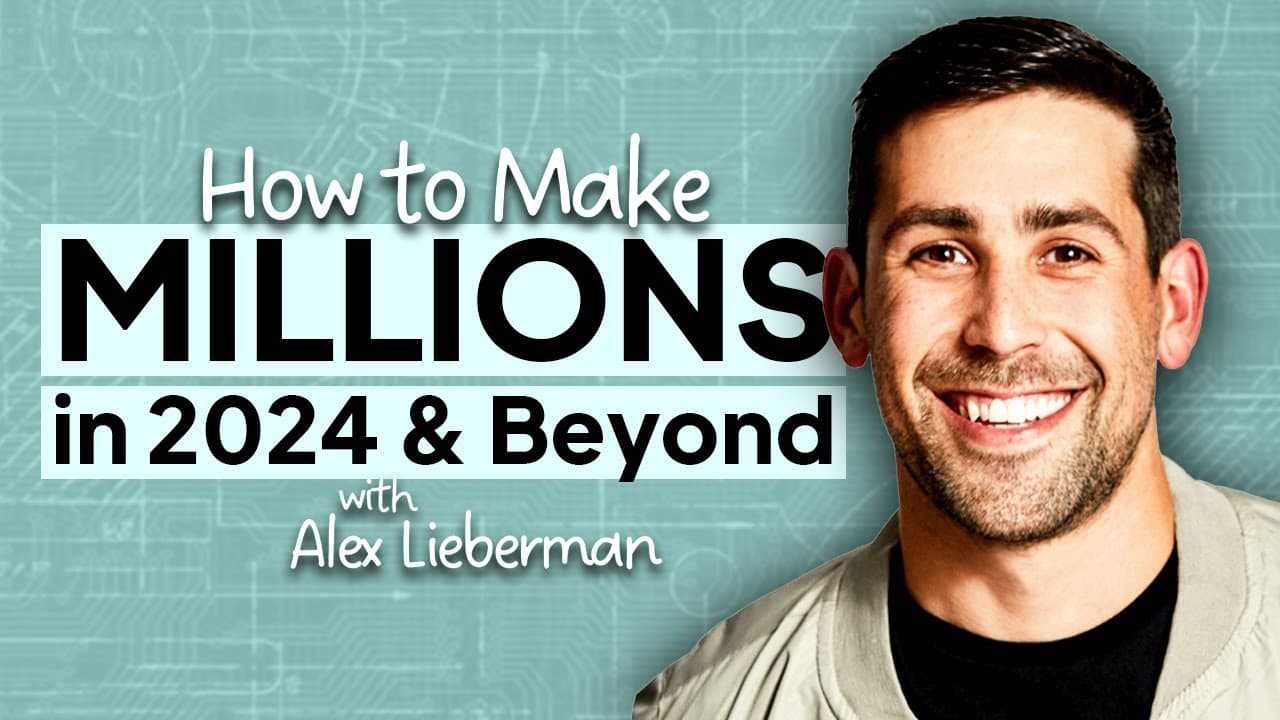
Alex Lieberman proposes rebuilding sports media around a daily newsletter for committed sports followers. Sports Illustrated offers a useful case because its archive, email audience, and remaining brand equity could provide a head start, although acquiring the list may be more financially attractive than paying a substantial recurring licensing fee.
-
The broader framework is a hub-and-spoke model: attach a new product to an established hub with built-in distribution. Many companies recognize email's value but have not made newsletters into destination products. Entrepreneurs can supply focused editorial expertise, improve engagement, and create monetization that the original organization has overlooked.
-
Epic Gardening illustrates how a passionate media audience can support commerce. Its YouTube channel has three million subscribers, while its business also sells seeds directly and wholesale. Lieberman sees additional potential in a strong daily or three-times-weekly gardening newsletter because email is not the company's central expertise and other priorities compete for attention.
Read in Other Languages (beta)
Share This Summary 📚
Summarize YouTube Videos and Get Video Transcripts with 1-Click
Try YouTube Summary with ChatGPT & Claude or YouTube Transcript Generator
Explore More Summaries from Greg Isenberg 📚



Summarize YouTube Videos and Get Video Transcripts with 1-Click
Try YouTube Summary with ChatGPT & Claude or YouTube Transcript Generator