How to Co-Parent Successfully After Separation
TL;DR
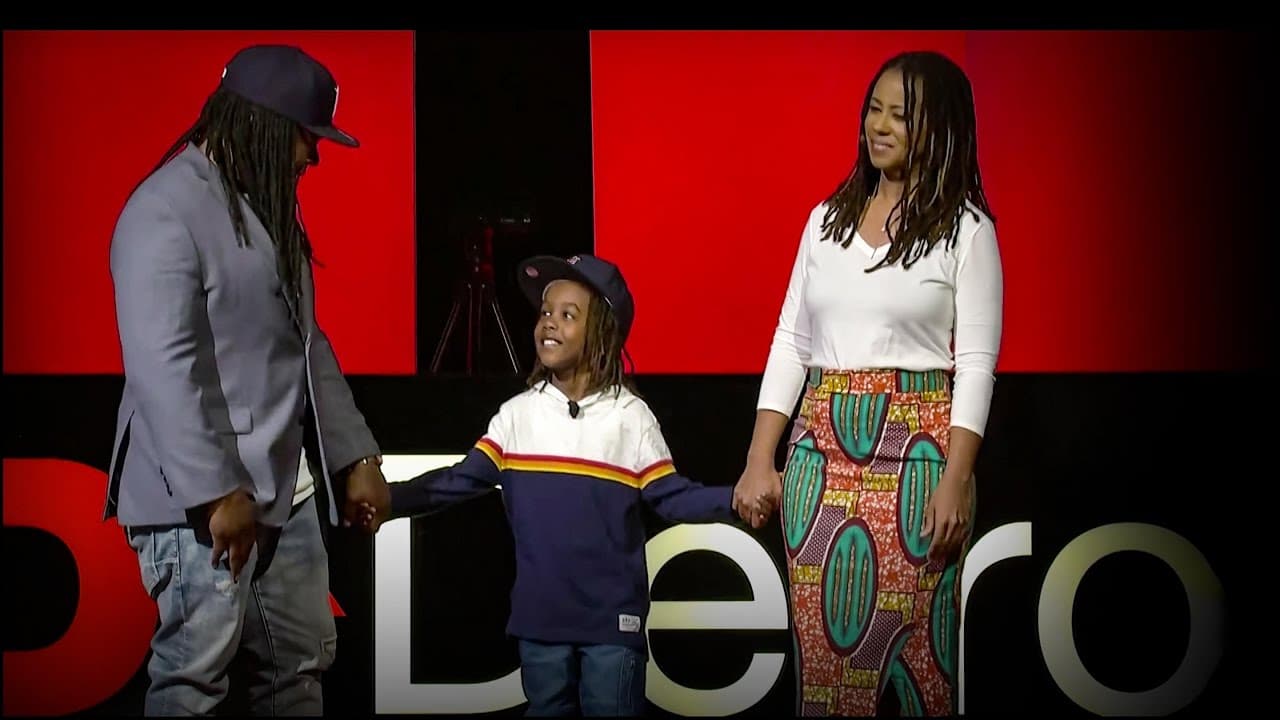
To co-parent successfully after separation, prioritize your child's well-being over personal conflicts. Embrace collaboration and mutual respect, allowing your child to witness a harmonious partnership. Incorporate open communication and positive reinforcement practices, such as nightly affirmations, to foster a loving and supportive environment.
Transcript
Transcriber: Ivana Korom Reviewer: Joanna Pietrulewicz Ebony Roberts: I remember watching my father raise the pistol to my mother's head. She pleaded with him to put the gun down, but he ignored her. When she bolted toward the door, he followed close behind and once outside, he fired one single shot. I was 12. I remember this moment frame by frame.... Read More
Key Insights
- Ebony Roberts and Shaka Senghor emphasize the importance of co-parenting as allies rather than adversaries, focusing on the child's well-being over personal conflicts.
- Both speakers reflect on their childhood experiences of parental separation, highlighting the emotional impact and their determination to provide a better environment for their son, Sekou.
- Despite their romantic relationship ending, Ebony and Shaka prioritize their son Sekou's needs, ensuring he sees them working together as a team.
- They stress the significance of nurturing Sekou's curiosity and allowing him to explore the world without imposing unnecessary limitations, even if it means defying societal norms.
- The couple's unconventional parenting style is driven by a desire to raise a free black boy in a world that often imposes constraints on black joy and potential.
- Ebony and Shaka's co-parenting approach includes open communication, shared responsibilities, and mutual support, even in vulnerable moments, to provide a stable environment for Sekou.
- They incorporate nightly affirmations into Sekou's routine, reinforcing positive self-image and resilience, which they believe is crucial in a challenging world.
- Their story exemplifies how co-parenting can be a collaborative effort that honors the child's needs and fosters a loving, supportive environment, even after a romantic relationship ends.
- More videos with Shaka Senghor:
Install to Summarize YouTube Videos and Get Transcripts
Explore YouTube Video Summarizer or Get YouTube Transcript Extractor
Questions & Answers
Q: How did Ebony and Shaka's childhood experiences influence their co-parenting approach?
Ebony and Shaka's childhood experiences of witnessing their parents' tumultuous relationships deeply influenced their co-parenting approach. Both wanted to avoid repeating the negative patterns they observed, such as conflict and instability. Instead, they prioritized creating a harmonious and supportive environment for their son, Sekou, ensuring he sees them as a united team despite their romantic separation.
Q: What challenges did Ebony and Shaka face in their co-parenting journey?
Ebony and Shaka faced several challenges in their co-parenting journey, including overcoming personal conflicts and past traumas. They struggled initially to navigate their new roles as co-parents after their romantic relationship ended. However, they focused on open communication, mutual respect, and prioritizing Sekou's well-being, which helped them overcome these challenges and build a successful co-parenting partnership.
Q: How do Ebony and Shaka encourage Sekou's curiosity and exploration?
Ebony and Shaka encourage Sekou's curiosity and exploration by allowing him to engage with the world freely, even if it means defying societal norms. They support his natural inquisitiveness by letting him explore his environment, such as playing in the mud, and resist imposing unnecessary limitations. This approach aims to nurture his creativity and potential, fostering a sense of freedom and confidence.
Q: Why do Ebony and Shaka incorporate nightly affirmations into Sekou's routine?
Ebony and Shaka incorporate nightly affirmations into Sekou's routine to reinforce a positive self-image and build resilience. They believe these affirmations serve as a roadmap for Sekou, helping him develop a strong sense of self-worth and confidence. In a world that can be challenging, especially for a young black boy, these affirmations provide a foundation of love and support, empowering Sekou to navigate life with strength and assurance.
Q: What is the significance of Ebony and Shaka's co-parenting model?
Ebony and Shaka's co-parenting model is significant because it demonstrates how separated parents can work together harmoniously for their child's benefit. By prioritizing Sekou's needs over personal conflicts, they showcase a collaborative approach that honors the child's well-being. Their model challenges traditional notions of parenting post-separation, highlighting the possibility of maintaining a supportive and loving environment for the child.
Q: How do Ebony and Shaka address societal challenges in raising Sekou?
Ebony and Shaka address societal challenges in raising Sekou by consciously fostering an environment that celebrates black joy and potential. Aware of the societal constraints often placed on black boys, they refuse to impose additional limitations on Sekou. Instead, they nurture his freedom and creativity, empowering him to explore his identity and capabilities in a world that may not always be supportive.
Q: What role does communication play in Ebony and Shaka's co-parenting strategy?
Communication plays a crucial role in Ebony and Shaka's co-parenting strategy. Open and honest dialogue allows them to navigate challenges and make joint decisions that prioritize Sekou's well-being. By maintaining clear communication, they can support each other in vulnerable moments and ensure they present a united front, fostering a stable and nurturing environment for Sekou.
Q: How do Ebony and Shaka redefine parenting norms through their approach?
Ebony and Shaka redefine parenting norms by embracing an unconventional approach that prioritizes their child's freedom and exploration. They challenge traditional expectations by allowing Sekou to engage with his environment without unnecessary restrictions. Their parenting style focuses on guiding rather than controlling, empowering Sekou to discover his place in the world and develop his unique gifts, reflecting a modern and progressive approach to parenting.
Summary & Key Takeaways
-
Ebony Roberts and Shaka Senghor discuss their journey from a romantic relationship to co-parenting their son, Sekou, focusing on collaboration and mutual respect. They emphasize the importance of prioritizing Sekou's well-being over personal conflicts, creating a nurturing environment despite their separation.
-
Reflecting on their own childhood experiences of parental separation, Ebony and Shaka are determined to provide a different narrative for Sekou. They highlight the significance of co-parenting as allies, allowing Sekou to witness a harmonious partnership and fostering his natural curiosity and potential.
-
Their unconventional parenting approach challenges societal norms, particularly in raising a free black boy. By incorporating nightly affirmations and encouraging exploration, they aim to empower Sekou with a strong sense of self-worth and resilience, demonstrating the power of love and support in co-parenting.
Read in Other Languages (beta)
Share This Summary 📚
Summarize YouTube Videos and Get Video Transcripts with 1-Click
Try YouTube Summary with ChatGPT & Claude or YouTube Transcript Generator
Explore More Summaries from TED 📚






Summarize YouTube Videos and Get Video Transcripts with 1-Click
Try YouTube Summary with ChatGPT & Claude or YouTube Transcript Generator