How to Discover Your True Self According to Carl Jung
TL;DR
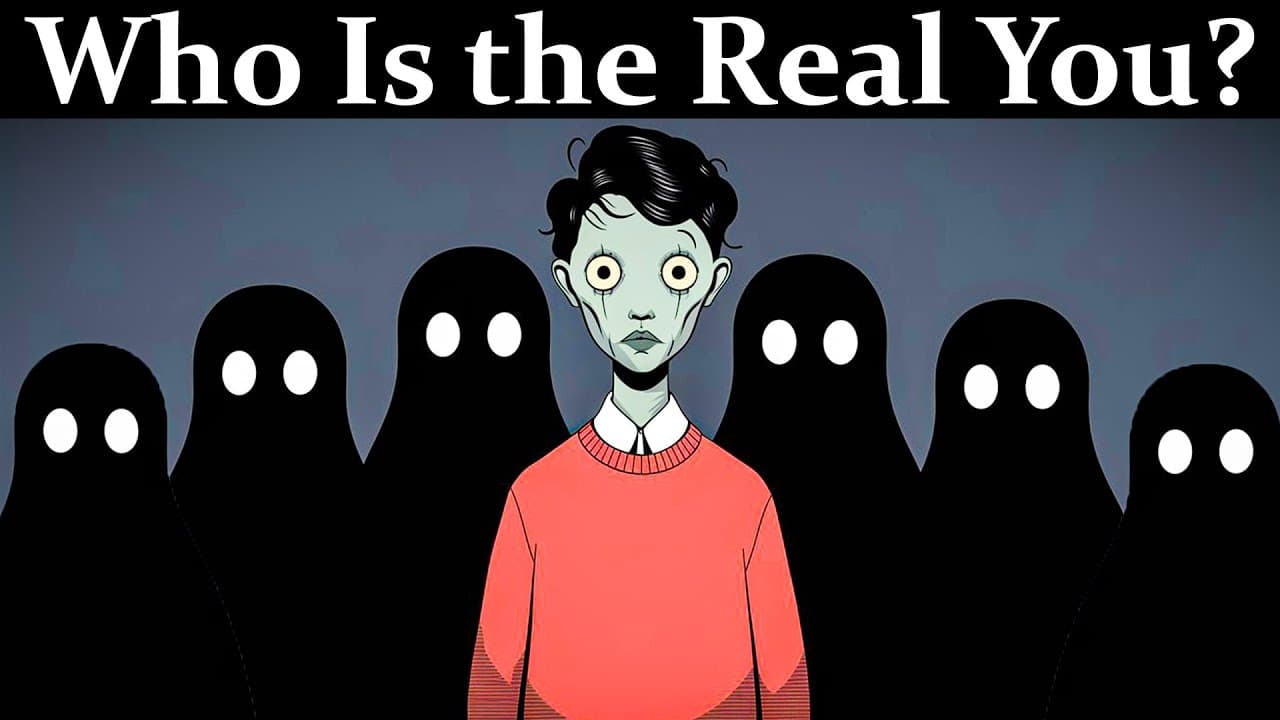
To discover your true self, engage in Carl Jung's individuation process, which involves recognizing and integrating your Persona (the societal mask) and Shadow (repressed traits). This journey requires confronting fears and embracing all aspects of your identity, ultimately leading to authentic self-expression and fulfillment.
Transcript
have you ever felt like you are living a life that isn't really yours as if somehow you are following a script written by someone else parents teachers friends society and deep down something inside you is screaming that something is wrong you wake up every day put on the same mask as always fulfill your obligations into interact with people as if ... Read More
Key Insights
- Carl Jung's concept of the Persona illustrates how societal expectations shape our identities, often leading to disconnection from our true selves.
- The Shadow, according to Jung, consists of repressed aspects of our personality, which can influence our behavior if left unacknowledged.
- Individuation, Jung's process of self-discovery, involves integrating the Persona and the Shadow to achieve a balanced and authentic self.
- The collective unconscious contains archetypes, universal symbols influencing our thoughts and behaviors, crucial for understanding our identity.
- Fear of losing constructed identities and confronting repressed aspects often prevents people from pursuing individuation and self-discovery.
- Ignoring the unconscious can lead to psychological distress, as unresolved internal conflicts manifest in anxiety, dissatisfaction, and repetitive patterns.
- Recognizing and integrating various archetypes can empower individuals to take control of their narrative and live more authentically.
- True freedom and fulfillment come from embracing one's whole self, including both strengths and weaknesses, rather than conforming to societal roles.
- More videos with Carl Jung:
Install to Summarize YouTube Videos and Get Transcripts
Explore YouTube Video Summarizer or Get YouTube Transcript Extractor
Questions & Answers
Q: What is the Persona according to Carl Jung?
The Persona, in Jungian psychology, is the social mask individuals wear to fit into societal norms and expectations. It represents the identity constructed based on external influences, such as family, culture, and societal roles. While it facilitates social interaction, over-identification with the Persona can lead to disconnection from one's true self and inner desires.
Q: How does the Shadow influence behavior?
The Shadow, as defined by Carl Jung, consists of repressed aspects of an individual's personality. These hidden elements, if unacknowledged, can manifest in behaviors such as sudden anger, envy, or excessive reactions to criticism. The Shadow influences decisions and emotions unconsciously, often sabotaging relationships and self-esteem until it is consciously integrated into the self.
Q: What is individuation in Jungian psychology?
Individuation is a core concept in Jungian psychology, referring to the process of integrating all parts of the psyche, including the Persona and Shadow, to achieve a balanced and authentic self. It involves confronting repressed aspects, acknowledging archetypes, and overcoming societal conditioning to discover one's true essence. This journey towards self-discovery and wholeness is lifelong and requires courage and introspection.
Q: Why are archetypes important in understanding oneself?
Archetypes, according to Jung, are universal symbols and patterns present in the collective unconscious, influencing thoughts, behaviors, and emotions. They appear in myths, stories, and personal dreams, shaping how individuals perceive the world and themselves. Understanding and integrating various archetypes allows individuals to balance their personality, avoid over-identification with a single role, and gain deeper insights into their true nature.
Q: What are the consequences of ignoring the unconscious?
Ignoring the unconscious can lead to psychological distress, as unresolved conflicts manifest in anxiety, dissatisfaction, and repetitive negative patterns. Individuals may experience emotional crises, unexplainable dissatisfaction, or psychosomatic illnesses as the unconscious finds ways to express itself. A lack of self-awareness prevents personal growth and fulfillment, trapping individuals in societal roles and inherited beliefs without questioning their true desires.
Q: How does fear prevent individuation?
Fear prevents individuation by causing individuals to cling to constructed identities and avoid confronting repressed aspects of themselves. Fear of losing the Persona, facing uncomfortable truths, and acknowledging past choices as inauthentic can deter individuals from pursuing self-discovery. This fear maintains conformity and avoidance of inner exploration, hindering the integration of the true self and perpetuating psychological suffering.
Q: What role does the collective unconscious play in individuation?
The collective unconscious, a Jungian concept, contains archetypes that shape universal human experiences and influence individual behavior and perception. During individuation, recognizing and integrating these archetypes is crucial for understanding one's identity beyond personal experiences. By acknowledging these shared patterns, individuals can balance their personality and achieve a more comprehensive understanding of their true self.
Q: What is the ultimate goal of individuation?
The ultimate goal of individuation is to achieve a harmonious integration of all aspects of the psyche, including the Persona, Shadow, and archetypes, to live authentically and fulfill one's true potential. It involves embracing both strengths and weaknesses, overcoming societal conditioning, and taking control of one's narrative. This journey leads to personal freedom, deeper self-understanding, and a more meaningful and fulfilled existence.
Summary & Key Takeaways
-
Carl Jung's theory emphasizes the importance of understanding the Persona and Shadow to uncover one's true self. The Persona is a societal mask, while the Shadow contains repressed traits. Individuation integrates these aspects to achieve authenticity.
-
Jung's individuation process involves confronting fears and insecurities to reconcile one's true desires with societal expectations. The journey requires courage to face repressed parts of the self and embrace both light and dark aspects.
-
Ignoring the unconscious and archetypes can lead to psychological suffering, as unresolved conflicts manifest in dissatisfaction and repetitive patterns. Recognizing these hidden forces allows individuals to live more authentically and control their narrative.
Read in Other Languages (beta)
Share This Summary 📚
Summarize YouTube Videos and Get Video Transcripts with 1-Click
Try YouTube Summary with ChatGPT & Claude or YouTube Transcript Generator
Explore More Summaries from Psyphoria 📚


Summarize YouTube Videos and Get Video Transcripts with 1-Click
Try YouTube Summary with ChatGPT & Claude or YouTube Transcript Generator