How to Deal With Any Life Problem
TL;DR
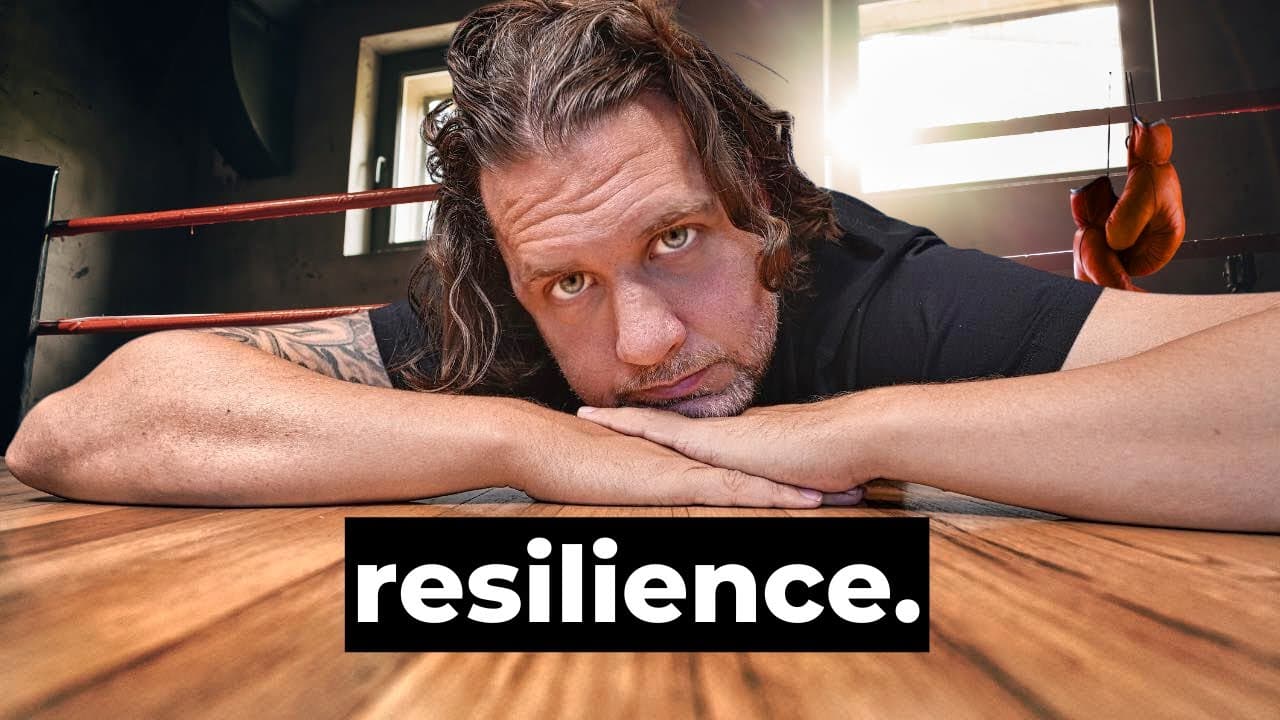
Deal with life’s problems by accepting unavoidable pain, examining the narratives that add psychological suffering, and maintaining a manageable level of challenge. The resilience course distinguishes type 1 physical pain from type 2 psychological pain and explains why the mind’s interpretation of loss or hardship can persist after the initial event. Read on to understand the two-arrow and muscle metaphors and how they frame resilience.
Transcript
hey everyone welcome to the resilience course look we all have to deal with pain hardship loss and just you know day-to-day [ __ ] throughout our lives and while our first impulse is to avoid all the [ __ ] to get away from our problems the fact of the matter is there is no such thing as a life without problems there is no such thing as just being ... Read More
Key Insights
- 👨🎨 The quality of our lives depends on our ability to manage problems and pain effectively.
- 👨🎨 Psychological pain (type 2) often intensifies with the intensity of physical pain (type 1).
- 👨🎨 The narratives and meaning we attach to pain can create additional suffering.
- 👨🎨 Maintaining a manageable level of stress and pain is essential for personal growth and resilience.
- ⚖️ Resilience involves finding a balance between challenging ourselves and avoiding excessive stress.
- 👨🎨 Personal experiences and backgrounds can influence the perceived significance of pain and challenges.
- 🏛️ The course focuses on building resilience to manage regular life challenges rather than trauma.
Install to Summarize YouTube Videos and Get Transcripts
Explore YouTube Video Summarizer or Get YouTube Transcript Extractor
Questions & Answers
Q: How can you deal with problems and pain in life?
Accept that a life without problems is not possible, then focus on managing pain rather than trying to eliminate it. In particular, examine the narratives and meanings that create type 2 psychological pain, while keeping stress and challenge at a manageable level.
Q: What are type 1 and type 2 pain?
Type 1 pain is the physical or inherently painful event, such as an injury or the loss of a family member. Type 2 pain is the psychological suffering created by the narratives and meanings attached to that event.
Q: What does the Buddhist metaphor of being struck by two arrows mean?
The first arrow represents the original physical or unavoidable pain. The second represents the additional psychological pain produced by thoughts such as “Why me?” or stories about unfairness, blame, and what should have happened.
Q: Why does type 2 pain sometimes last longer than type 1 pain?
People may continue replaying narratives of injustice, suffering, or victimhood after the initial physical pain has passed. These narratives can be held for years and may eventually shape a person’s identity.
Q: Why does the course focus mainly on type 2 pain?
The course describes type 2 pain as the more significant portion of the pain people experience in their lives. It is also the type over which they have more control, because they can work on the narratives that intensify their suffering.
Q: How does the intensity of type 1 pain affect psychological suffering?
The transcript says that more intense type 1 pain tends to trigger more narratives and type 2 pain. A stubbed toe may be quickly forgotten, while a devastating event can lead the mind to search repeatedly for meaning and cosmic significance.
Q: What does the metaphor of pain as a muscle teach about resilience?
A certain amount of pain and stress can be useful, just as muscles need exercise and resistance. Too little challenge can lead to deterioration, while excessive stress can harm physical and mental functioning.
Q: What level of stress and pain should a person aim for?
The goal is a manageable level of stress and pain rather than a pain-free life. This “Goldilocks zone” provides enough challenge to keep a person grounded without crossing the tipping point where added stress harms health and functioning.
Summary & Key Takeaways
-
The course teaches strategies, techniques, ideas, and concepts to help individuals deal with pain, problems, and grief in their lives.
-
There are two types of pain: type 1 (physical) and type 2 (psychological). Most of the course focuses on managing type 2 pain, as it is more significant and within our control.
-
The metaphor of pain as a muscle is explained, highlighting the importance of maintaining a manageable level of stress and pain in our lives for growth and resilience.
Read in Other Languages (beta)
Share This Summary 📚
Summarize YouTube Videos and Get Video Transcripts with 1-Click
Try YouTube Summary with ChatGPT & Claude or YouTube Transcript Generator
Explore More Summaries from Mark Manson 📚

Summarize YouTube Videos and Get Video Transcripts with 1-Click
Try YouTube Summary with ChatGPT & Claude or YouTube Transcript Generator