Can LLMs Truly Generalize Beyond Training Data?
TL;DR
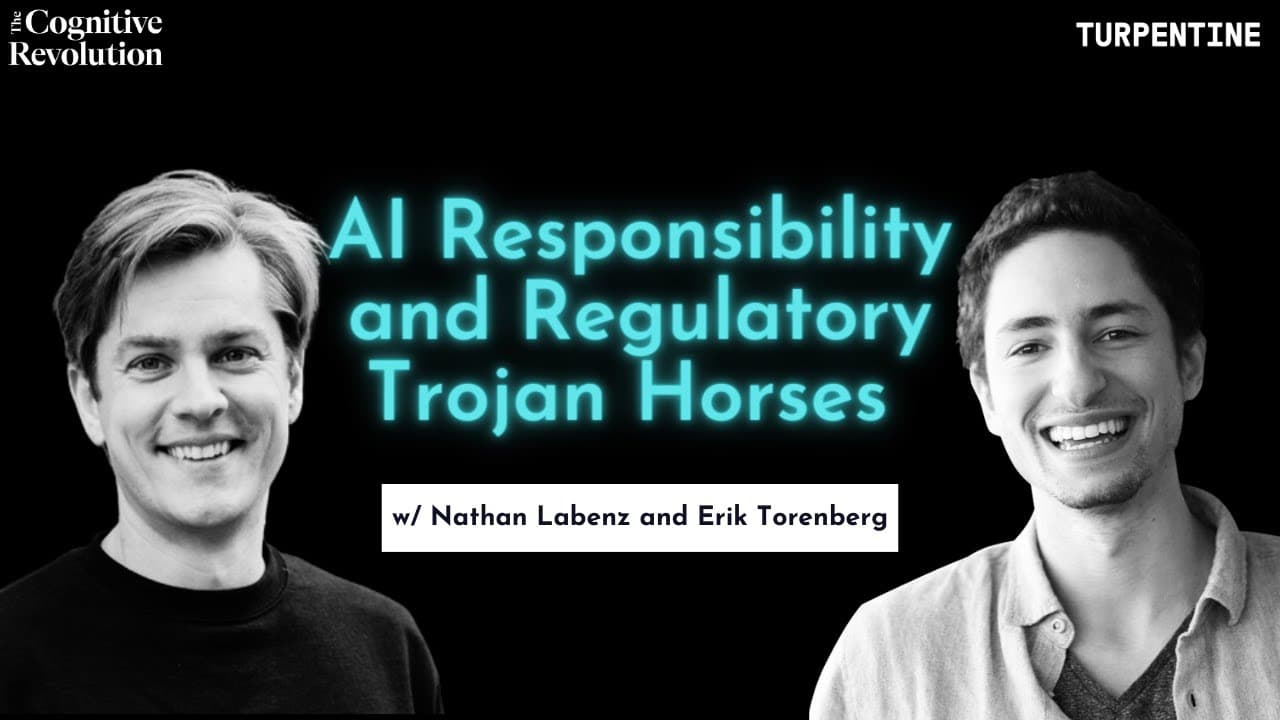
Recent research from Google DeepMind suggests that LLMs may struggle to generalize beyond their training data. However, this interpretation has sparked debate among AI experts. While some argue that the findings highlight limitations, others believe the vastness of training data could still unlock superhuman capabilities, emphasizing the need for careful evaluation of AI's potential and risks.
Transcript
oh look at this it proves that language models cannot generalize and this is basically insane instead of Helen of Troy I was thinking this is like this tweet is like the Helen of Transformers if we start to mislead or like you know Embrace pretty obviously wrongheaded conclusions about what is it cannot be good for our Downstream discourse of what ... Read More
Key Insights
- Google DeepMind's research indicates limitations in LLMs' ability to generalize beyond training data.
- The study has sparked debate among AI experts, with some viewing it as a narrow result.
- Critics argue that the vastness of training data could still lead to superhuman capabilities.
- The discourse highlights differing perspectives on AI's potential and limitations.
- Voluntary AI commitments by VCs aim to promote responsible AI development.
- Critics of AI regulation fear it could stifle innovation and competitiveness.
- Proponents argue that self-regulation could prevent more stringent government controls.
- The discussion reflects broader concerns about AI's impact on society and the need for balanced approaches.
Install to Summarize YouTube Videos and Get Transcripts
Explore YouTube Video Summarizer or Get YouTube Transcript Extractor
Questions & Answers
Q: Can LLMs generalize beyond their training data?
Research from Google DeepMind suggests that LLMs may struggle to generalize beyond their training data, as they can perform model selection but show limited evidence of generalizing beyond pre-training data. This has sparked debate, with some experts arguing that the vastness of training data could still lead to superhuman capabilities.
Q: What are the concerns about AI regulation?
Critics of AI regulation fear that it could stifle innovation and make businesses uncompetitive. They argue that heavy-handed regulation may hinder technological advancements and that self-regulation could be a more effective way to ensure responsible AI development without compromising innovation.
Q: What are the voluntary AI commitments by VCs?
The voluntary AI commitments by venture capitalists include responsible AI development, transparency, risk forecasting, auditing, and feedback cycles. These commitments aim to promote responsible practices in AI development, with the goal of preventing more stringent government regulations by demonstrating self-regulation.
Q: How do self-driving cars relate to AI regulation?
The discussion of self-driving cars highlights the potential benefits and risks of AI technology. While self-driving cars could save lives by reducing accidents, there are concerns about their safety. This mirrors broader debates about AI regulation, where proponents argue for responsible development to prevent harm while avoiding stifling innovation.
Q: What is the debate over AI's potential and limitations?
The debate over AI's potential and limitations centers on whether LLMs can generalize beyond training data and achieve superhuman capabilities. Some experts argue that the vastness of training data could unlock these capabilities, while others emphasize the need to understand AI's limitations to inform responsible development and regulation.
Q: Why is there concern about AI's impact on society?
AI's rapid advancements raise concerns about its impact on society, including ethical considerations, potential job displacement, and privacy issues. The debate over AI regulation reflects these concerns, with calls for responsible development to ensure AI benefits society while minimizing potential harms.
Q: How does product liability law relate to AI systems?
Product liability law holds manufacturers responsible for damages caused by their products. In the context of AI systems, this could mean that developers are held accountable for any harm caused by AI products, prompting discussions about the need for clear standards and regulations to ensure safety and responsibility in AI development.
Q: What is the role of transparency in AI development?
Transparency in AI development involves clear documentation and communication about AI systems' capabilities, limitations, and potential risks. It is a key component of responsible AI practices, helping to build trust with users and stakeholders by ensuring that AI systems are developed and used ethically and responsibly.
Summary & Key Takeaways
-
Recent research from Google DeepMind suggests that LLMs may struggle to generalize beyond their training data, sparking debate among AI experts. Some argue that the findings highlight limitations, while others believe the vastness of training data could still unlock superhuman capabilities. The discourse underscores differing perspectives on AI's potential and limitations.
-
Voluntary AI commitments by venture capitalists aim to promote responsible AI development, but critics fear such measures could enable harmful regulation. Proponents argue that self-regulation could prevent more stringent government controls, reflecting broader concerns about AI's impact on society and the need for balanced approaches.
-
The discussion of AI generalization and regulation highlights the complexities of navigating AI's rapid advancements. While some emphasize the need for responsible practices, others worry about stifling innovation. The debate underscores the importance of understanding AI's capabilities and potential risks to inform future policies and practices.
Read in Other Languages (beta)
Share This Summary 📚
Summarize YouTube Videos and Get Video Transcripts with 1-Click
Try YouTube Summary with ChatGPT & Claude or YouTube Transcript Generator
Explore More Summaries from Cognitive Revolution "How AI Changes Everything" 📚


Summarize YouTube Videos and Get Video Transcripts with 1-Click
Try YouTube Summary with ChatGPT & Claude or YouTube Transcript Generator