How Harvey Lewis Ran 354 Miles With Little Sleep
TL;DR
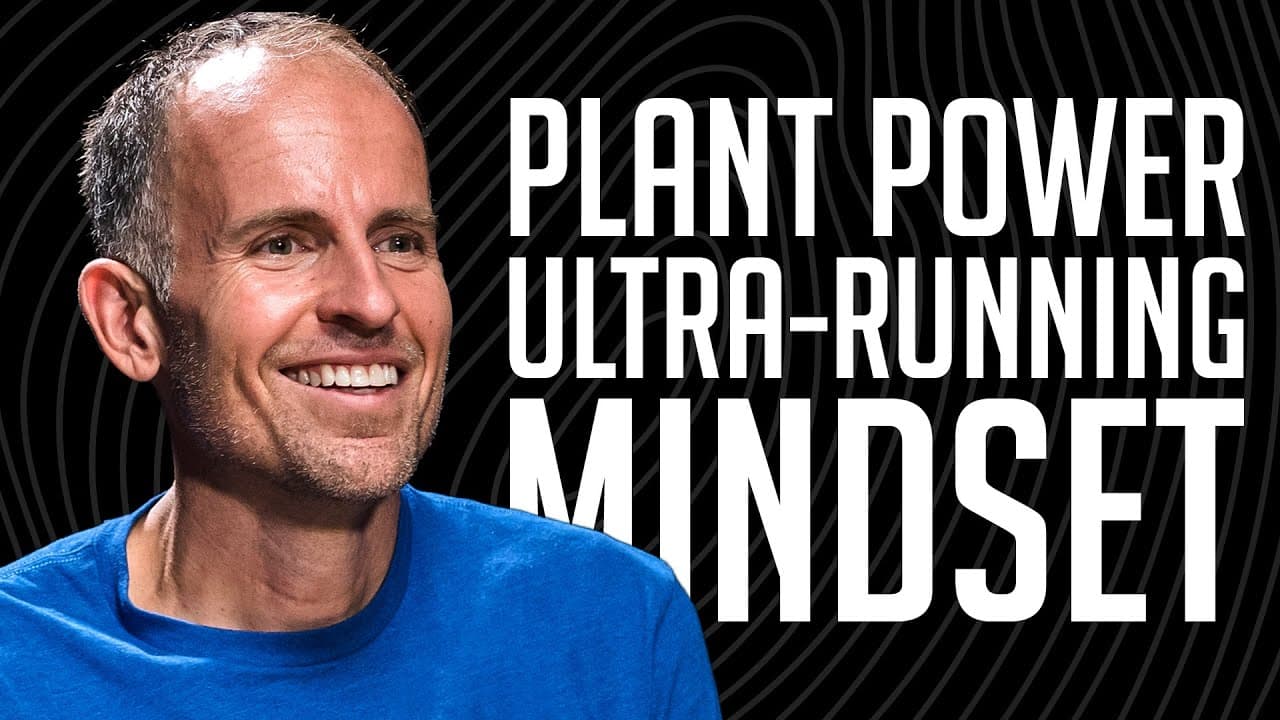
Harvey Lewis completed 354 miles over 85 hours by managing each hourly loop, eating quickly, practicing brief rest periods, and maintaining a constructive mindset through repeated highs and lows. His experience suggests that consistent preparation, dependable crew support, and the belief that more energy remains can help an athlete continue far beyond perceived limits.
Transcript
(gentle music) It was kinda crazy because going into 300, it just felt like we were invincible. It was wild to hit that mark and then feel all kinds of new energy. You go through these lows and highs, but you get beyond 300 miles and then you realize you have more force than you ever had even in the first day. It's incredible how just changing your... Read More
Key Insights
- Harvey Lewis completed 354 miles over 85 hours at the Big Dog's Backyard Ultra, producing a world-record-setting performance after approximately 25 years in ultrarunning and demonstrating that major athletic breakthroughs can still occur at age 45.
- The backyard ultra format requires competitors to complete a 4.167-mile loop within every 60-minute period, with approximately 100 miles accumulated every 24 hours, and the competition continuing until only one runner can complete another lap.
- Rest time is determined by loop speed because every new lap starts on the hour. A runner finishing a nighttime road loop in approximately 48 minutes receives about 12 minutes to eat, organize equipment, lie down, and prepare to start again.
- Brief rest can provide meaningful recovery even without confirmed sleep. Lewis found that lying down with his eyes closed for five or six minutes could revitalize him, although elevated heart rate, caffeine, and anticipation of the starting whistle made actual sleep difficult.
- Sleep preparation can be practiced in ordinary daily routines. Lewis used his school lunch period to attempt a five-minute nap in a closet on a yoga mat, eventually falling asleep for roughly three minutes on two or three school days each week.
- Caffeine management becomes a strategic tradeoff during prolonged racing. Lewis avoided caffeinated drinks through the first night, then used them during later nights to remain alert while recognizing that stimulation could interfere with his attempts to sleep between loops.
- Crew support reduces the mental burden of extreme endurance racing. Lewis relied on crew chief Judd Poindexter to wake him and keep his equipment organized, allowing him to use limited recovery time despite continually anticipating the next whistle.
- Mindset can change perceived energy after extreme fatigue. Lewis described passing 300 miles, feeling nearly invincible, and discovering more force than he remembered having on the first day, despite moving repeatedly through physical and emotional lows and highs.
Install to Summarize YouTube Videos and Get Transcripts
Explore YouTube Video Summarizer or Get YouTube Transcript Extractor
Questions & Answers
Q: How did Harvey Lewis run 354 miles with little sleep?
Harvey Lewis managed the effort one hourly loop at a time, completing 354 miles over 85 hours. On nighttime road loops, he sometimes finished in approximately 48 minutes, leaving about 12 minutes before the next start. He used roughly five minutes to eat and another five or six minutes to lie down, close his eyes, and recover while his crew prepared him for the next loop.
Q: What are the rules of the Big Dog's Backyard Ultra?
The Big Dog's Backyard Ultra requires runners to complete a 4.167-mile loop every hour. Half of the racing described occurs on a trail and half on a road. A competitor is eliminated by failing to return within 60 minutes or failing to start the next loop on time. The race continues until only one person can complete another lap, while every other participant receives a DNF.
Q: How do runners create time to rest in a backyard ultra?
Runners create recovery time by finishing each 4.167-mile loop before the next hourly start. The faster they finish, the longer they can sit, eat, change clothing, organize supplies, or attempt a nap. Lewis sometimes completed nighttime road loops in about 48 minutes, creating approximately 12 minutes of rest, although that window could shrink as fatigue slowed the runners.
Q: Can very short rest periods help during an ultramarathon?
Very short rest periods helped Lewis feel partially restored during the race. He reported that simply lying down with his eyes closed for five or six minutes could be powerful, even when he was unsure whether he had actually fallen asleep. The rest did not replace normal sleep, but it provided enough revitalization to support another hourly loop during an 85-hour effort.
Q: How did Harvey Lewis train himself to take short naps?
Lewis practiced short naps during his lunch period at the high school where he worked. He went into a larger closet, lay on a yoga mat, and tried to sleep for five minutes each day. With practice, he reached a point where he could fall asleep for roughly three minutes on two or three days of a five-day school week.
Q: How did Harvey Lewis use caffeine during the race?
Lewis said he could make it through the first night without drinking caffeinated beverages. During the second and third nights, caffeine became useful for remaining awake on the loops. However, it created a dilemma because he also wanted to sleep during the short breaks. Elevated heart rate, stimulation, and anticipation of the next start could all prevent him from settling into deeper sleep.
Q: Why is crew support important in a backyard ultra?
Crew support is important because runners have only a few minutes between hourly loops to eat, rest, adjust clothing, and organize equipment. Lewis relied on his crew chief, Judd Poindexter, and trusted that he would be awakened before the next start. That confidence allowed Lewis to lie down during breaks, even though he still listened for the three-minute, two-minute, and one-minute whistles.
Q: How does mindset affect extreme endurance performance?
Mindset can alter how an athlete interprets exhaustion and remaining capacity. Lewis described moving through repeated lows and highs before reaching 300 miles, after which he felt renewed energy and a sense of being nearly invincible. He believed that changing his mindset had a substantial impact, allowing him to recognize strength that felt greater than what he had experienced on the first day.
Summary & Key Takeaways
-
Harvey Lewis won the Big Dog's Backyard Ultra after completing 354 miles across 85 hours with essentially no conventional sleep. At age 45, after about 25 years in ultrarunning, he described reaching 300 miles and unexpectedly feeling renewed energy, illustrating how a change in mindset can transform an athlete's perceived capacity.
-
The backyard ultra requires runners to complete a 4.167-mile loop every hour, alternating between trail and road loops. Missing the 60-minute cutoff or failing to begin the next loop eliminates a competitor. Faster finishes create time for eating, changing equipment, resting, or attempting a very brief nap before another loop begins.
-
Lewis prepared for severe sleep deprivation by practicing five-minute naps during his school lunch breaks. During the race, he used faster nighttime road loops to create approximately 12 minutes of recovery, ate for about five minutes, and lay down with his eyes closed for another five or six minutes while trusting his crew chief.
Read in Other Languages (beta)
Share This Summary 📚
Summarize YouTube Videos and Get Video Transcripts with 1-Click
Try YouTube Summary with ChatGPT & Claude or YouTube Transcript Generator
Explore More Summaries from Rich Roll 📚





Summarize YouTube Videos and Get Video Transcripts with 1-Click
Try YouTube Summary with ChatGPT & Claude or YouTube Transcript Generator