Why Do Countries Need Their Own AI Strategy?
TL;DR
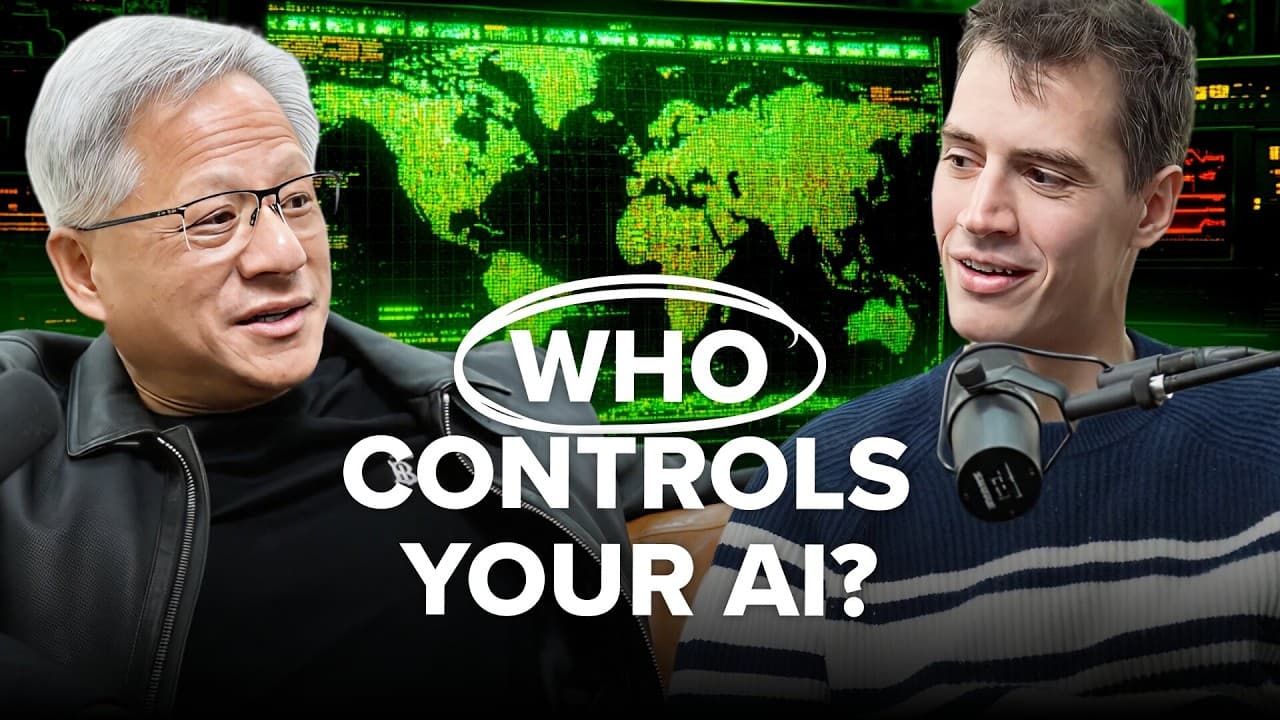
Countries need their own AI strategies to ensure control over crucial technology that impacts GDP and national sovereignty. AI serves as a general purpose technology that can bridge the technology divide, necessitating local adaptation and expertise. Open source models foster innovation and maintain cultural identity, making proactive engagement with AI essential for nations to avoid economic dependence and technological obsolescence.
Transcript
this is the greatest force of reducing the technology divide the world's ever known it will have an impact on GDP of every country uh in the double digits in the coming years nobody's going to do this for you you've got to do it yourself it's up to organizations to Enterprises to countries to to to build what they need the stakes at play are basica... Read More
Key Insights
- 🧑🏭 AI has the potential to bridge the technology divide, acting as an equalizer in society when correctly implemented.
- 🌸 Nations that neglect to develop their AI strategies risk economic dependence on foreign entities and loss of local cultural identity.
- 🐕🦺 The integration of AI in public services can enhance citizen engagement and job matching, offering tangible benefits to the workforce.
- 🤗 Open source AI encourages a collaborative environment that enhances safety, transparency, and innovation, vital for mission-critical industries.
- 🚥 The effective onboarding of AI requires a combination of horizontal technological infrastructure and vertical local expertise to succeed.
- 🪡 Countries need to prioritize education and upskilling to prepare their populations for the advancing landscape of AI technologies.
- 👯 AI's ability to produce content and engage with people emphasizes the importance of cultural context, making local adaptation essential.
- 🎙️ More videos with Jensen Huang:
Install to Summarize YouTube Videos and Get Transcripts
Explore YouTube Video Summarizer or Get YouTube Transcript Extractor
Questions & Answers
Q: Why is AI considered a general purpose technology?
AI is considered a general purpose technology because it fundamentally transforms how software is built and machines are used across various sectors, similar to historical innovations like electricity and the printing press. Its versatility means it can be applied in numerous industries, from agriculture to public services, which positions it as a central concern for national strategies.
Q: How should nations manage the risks associated with AI adoption?
Nations should address public concerns about job displacement by promoting AI as a tool for enhancing productivity rather than replacing workers. Initiatives should also focus on upskilling the population to increase familiarity and competence with AI, thus ensuring that citizens can leverage new technologies for better employment opportunities.
Q: What role do open source models play in AI development?
Open source models are crucial for accelerating innovation by allowing collaboration across different labs and countries. They contribute to transparency and security, enabling organizations to customize AI to their specific needs while ensuring thorough scrutiny and evaluation by the global open-source community.
Q: How can a country build its own AI infrastructure effectively?
To build an effective AI infrastructure, countries need to invest in foundational technology like chips and data centers while fostering a local talent pool that understands AI. This involves establishing partnerships with tech companies and focusing on developing a robust onboarding platform to customize AI systems to local requirements.
Q: What challenges do smaller nations face in adopting AI technologies?
Smaller nations may struggle with limited resources and infrastructure required for comprehensive AI initiatives. They must prioritize building foundational capabilities and seek partnerships for technology acquisition, while also investing in education to cultivate a skilled workforce that can engage with and utilize AI effectively.
Q: How can businesses and governments collaborate on AI projects?
Businesses and governments can align their interests by working together on AI initiatives that benefit both sectors, such as enhancing public services or addressing local industry needs. Collaborations should focus on utilizing local data and expertise to build specialized models that reflect regional priorities.
Q: What is the significance of local expertise in AI development?
Local expertise is vital in AI development as it ensures that AI systems are tailored to understand and respect regional cultures, languages, and laws. By integrating local knowledge into AI models, organizations can create more effective and relevant technologies that serve the community's specific needs.
Q: How do AI systems ensure compliance with local norms and regulations?
AI systems can ensure compliance with local norms by being designed to incorporate specific historical and cultural data from national resources. This includes training on local legal frameworks and values, allowing AI to operate within the bounds of societal guidelines while also being adaptable to changing standards.
Summary & Key Takeaways
-
AI is identified as a general purpose technology, likened to electricity, that can impact a country's GDP. Its broad applications necessitate that nations prioritize building and controlling their own AI infrastructures.
-
To effectively leverage AI, countries and organizations must develop specialized models that reflect local cultures and needs, thus preventing dependence on central entities or foreign technologies. Collaboration with industries and expertise will be crucial.
-
Open source AI models are vital for fostering innovation and ensuring national security while maintaining local identity. Nations must engage with AI proactively to avoid being left behind in the technological race.
Read in Other Languages (beta)
Share This Summary 📚
Summarize YouTube Videos and Get Video Transcripts with 1-Click
Try YouTube Summary with ChatGPT & Claude or YouTube Transcript Generator
Explore More Summaries from a16z 📚




Summarize YouTube Videos and Get Video Transcripts with 1-Click
Try YouTube Summary with ChatGPT & Claude or YouTube Transcript Generator