中国的食品安全隐忧,你了解多少?
TL;DR
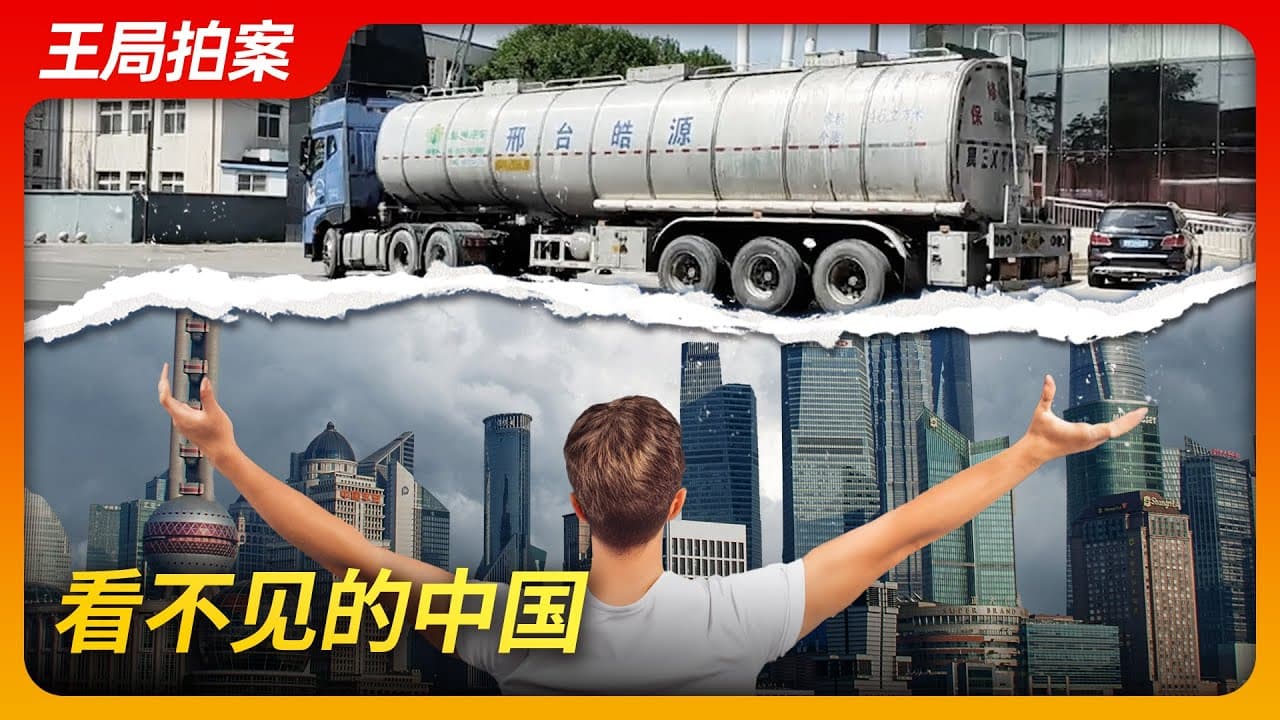
食品安全隐患在中国的油品运输中极为严重,影响消费者健康。尽管外国游客被现代化的中国所吸引,实际上,他们忽视了潜在的健康威胁,如含有汽油和柴油的食用油。提高公众对这些问题的认识和更严格的监管措施至关重要。
Transcript
Good morning, friends from China We are now in the capital, Beijing It is a huge city with over 20 million residents and it has a history of over 3,000 years This is so crazy to me This is really delicious Just like I said earlier We came up from the Shanghai subway Honestly, it was so simple This is our life These are all so delicious Strawberries... Read More
Key Insights
- 🥶 China's recent visa-free policy has led to a significant influx of foreign tourists intrigued by the country's modernization.
- 😋 Many foreign visitors are unaware of severe food safety issues, focusing on the visible aspects of Chinese culture while ignoring potential hidden risks.
- 🛢️ The lack of rigorous cleaning protocols in oil transportation can result in the contamination of edible oils with toxic residues.
- 😋 Investigative journalism is vital in exposing food safety deficiencies, yet skepticism remains about whether reporting leads to substantive changes.
- 😋 The disconnect between recommended food safety standards and actual practices creates vulnerabilities in consumer health.
- 😋 Involvement of foreign influencers contributes to a glamorized perception of China, overshadowing critical discussions about food safety.
- 😋 Historical parallels can be drawn between modern Chinese food safety issues and past societal concerns in other countries, highlighting systemic failure in oversight.
Install to Summarize YouTube Videos and Get Transcripts
Explore YouTube Video Summarizer or Get YouTube Transcript Extractor
Questions & Answers
Q: What has contributed to the recent increase in foreign tourists visiting China?
The introduction of a 144-hour visa-free policy for nationals of 54 countries has significantly increased foreign tourism in China post-pandemic. This policy allows visitors to stay and explore without the need for a visa for six days, resulting in a dramatic rise in tourist numbers. In the first quarter of this year, nearly two million foreigners entered China without a visa, a sharp increase compared to previous years, suggesting both curiosity and new accessibility.
Q: How do foreign tourists perceive the infrastructure in China?
Many foreign tourists are often astonished by China's advanced infrastructure, including its skyscrapers, high-speed rail systems, and clean urban environments. They frequently share their amazement on social media, highlighting experiences that contrast sharply with public facilities in their home countries. This fascination contributes to a positive image of modernity in China, overshadowing less visible societal issues.
Q: What are some underlying food safety concerns revealed in the content?
The content highlights serious food safety issues with the transportation of edible oils, particularly the practice of oil tankers not being properly cleaned between transporting toxic substances like kerosene and oils destined for consumption. This lack of regulation raises questions about consumer safety and health risks, potentially contaminating food products. Each segment of the supply chain appears to lack proper oversight and accountability.
Q: How do the documented practices in oil transportation affect consumer health?
The mixing of toxic substances with edible oils can pose severe health risks to consumers, including food poisoning and long-term health effects. Reports of oil tankers transporting kerosene and then soybean oil without adequate cleaning protocols illustrate a negligent approach in the industry. The absence of strict enforcement of existing food safety laws exacerbates this health hazard, leaving many consumers unaware of what they are ingesting.
Q: What role do investigative journalists play in exposing issues within China?
Investigative journalists in China, particularly undercover reporters like Han Futao, play a critical role in unveiling food safety violations and unsanitary practices that often go unnoticed by the general public. Their efforts to expose the truth about food sourcing and preparation standards are essential for raising awareness and pushing for reforms in the industry, despite the challenges they face in a restrictive reporting environment.
Q: Why is there skepticism about the effectiveness of food safety laws in China?
The skepticism arises from a perceived lack of enforcement and accountability regarding food safety laws. Many regulations exist on paper, yet they are often not implemented effectively in practice. This disconnect creates an environment where egregious violations can occur without repercussions, undermining public trust in regulatory systems and leaving consumers unaware of potential health risks.
Q: How does the phenomenon of "involution" relate to food safety issues?
Involution refers to the competitive pressure within China's economy that results in practices aimed at reducing costs at the expense of consumer welfare. As companies seek to cut transportation costs, unsafe practices such as backhauling toxic materials become more prevalent. Individuals responsible for safety may prioritize financial savings over the health implications of their actions, putting consumers at risk.
Summary & Key Takeaways
-
The recent influx of foreign tourists to China highlights the contrast between their experiences of modernity and the underlying issues in food safety practices, particularly related to oil transportation.
-
Influencers and travelers often present a glamorized view of China, failing to grasp the potential health hazards that exist due to inadequate food safety regulations and oversight.
-
Reports of oil transports mixing toxic substances with edible oils reveal a complex problem within the food supply chain, emphasizing the importance of stricter enforcement of food safety laws and public awareness.
Read in Other Languages (beta)
Share This Summary 📚
Summarize YouTube Videos and Get Video Transcripts with 1-Click
Try YouTube Summary with ChatGPT & Claude or YouTube Transcript Generator
Explore More Summaries from 王局拍案 📚
Summarize YouTube Videos and Get Video Transcripts with 1-Click
Try YouTube Summary with ChatGPT & Claude or YouTube Transcript Generator