How to Apply Marcus Aurelius's Stoic Reminders
TL;DR
Focus on what is essential, separate present facts from imagined outcomes, and treat obstacles as opportunities to practice courage, discipline, justice, or wisdom. Other people may behave badly, events may remain indifferent to your anger, and recognition may never arrive, but none of these conditions determines your character or prevents you from choosing a constructive response.
Transcript
The Stoics didn't dance around the truth. In fact, Marcus really hated people who said, "Let me be honest with you." He said, "No, I it should be written on your forehead that what you say is what you mean. If it's not true, don't say it." But conversely, I think also if it is true, you have to say it. And sometimes those truths can be hard to hear... Read More
Key Insights
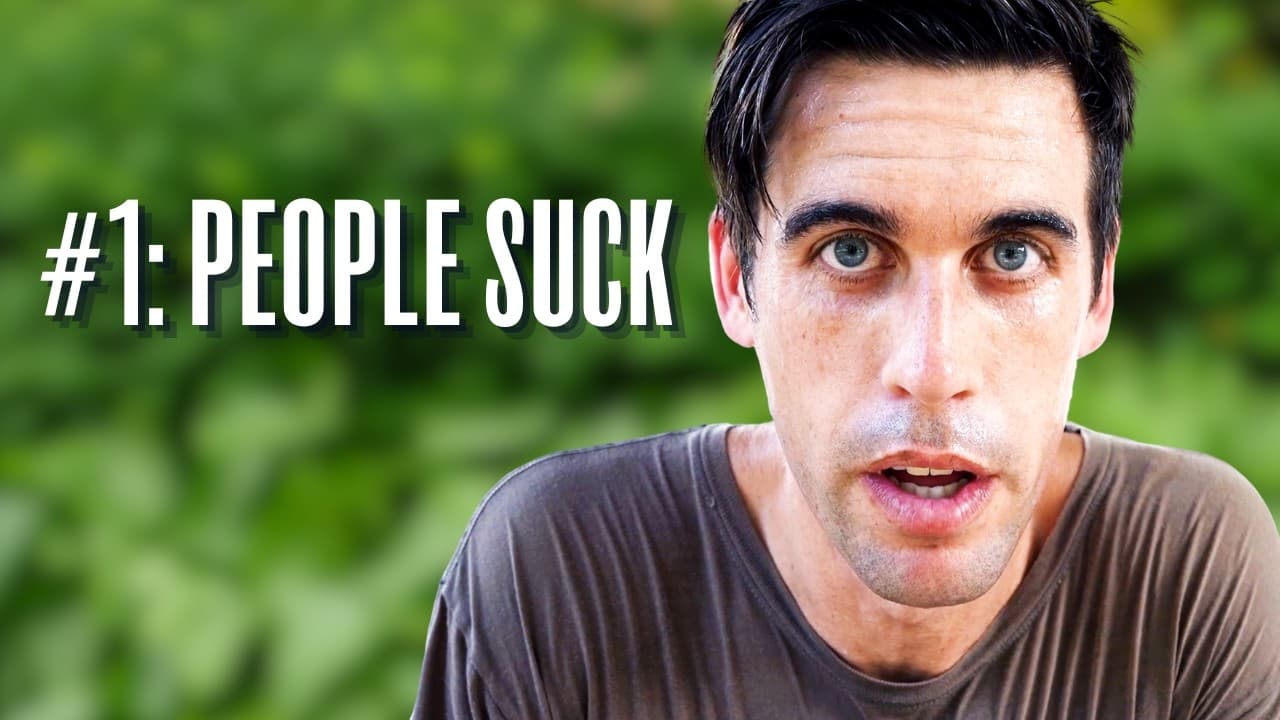
- Difficult people are a predictable part of daily life, but their jealousy, ignorance, or annoying behavior cannot force anyone else into ugliness. Marcus Aurelius's response is to expect human flaws, remember the shared obligation to cooperate, and continue performing one's own role well.
- Inaction can constitute an injustice when someone ignores harm, labels it another person's problem, or refuses to consider a possible response. Thinking of oneself as good is insufficient if passivity allows wrongdoing to continue without any effort to oppose or reduce it.
- Most activities are inessential, so regularly asking whether a task matters can improve both focus and performance. Eliminating trivial, unnecessary, or inefficient work creates more time and attention for actions that are important, useful, and capable of moving the situation forward.
- Anxiety is often extrapolation beyond the known facts. A sick child is presently sick, but imagining death adds a conclusion that has not occurred. Stoic discipline keeps attention on what is directly in front of a person, especially the ideas, actions, and words within personal control.
- Misfortune can become useful when it leaves character intact and creates a new opportunity for action. The obstacle becomes the way when a difficult circumstance allows someone to exercise courage, discipline, justice, or wisdom in a manner that ordinary conditions would not require.
- Anger at an indifferent world is powerless because weather, enormous forces, and objective events do not notice resentment. Letting go is practical rather than passive, since emotional energy can then be directed toward a response that is possible, useful, and consistent with good character.
- The best revenge is refusing to resemble the person who caused harm. Seeking retaliation is unnecessary when the offender's conduct already reveals a damaged way of living, while preserving one's own standards prevents the original injury from producing further ugliness.
- Approval is unreliable when it comes from people whose judgment may not deserve authority. Examining what those people actually value weakens the desire for their praise, allowing a person to concentrate on doing what is right and leave reputation outside personal control.
Install to Summarize YouTube Videos and Get Transcripts
Explore YouTube Video Summarizer or Get YouTube Transcript Extractor
Questions & Answers
Q: How should Stoics deal with difficult people?
Stoic practice begins by expecting that some people will be jealous, annoying, ignorant, dishonest, or difficult. This expectation prevents predictable behavior from becoming a shocking personal betrayal. Their conduct cannot require an equally ugly response. The appropriate task is to remember that people are made to work together, maintain personal character, perform one's role, and avoid being pulled into the behavior one dislikes.
Q: How can inaction become an injustice?
Inaction becomes an injustice when a person sees harm, turns away, declares it someone else's problem, or assumes nothing can be done without examining possible action. The absence of direct wrongdoing does not automatically remove responsibility. If passivity allows an injustice to continue, a person may become complicit. The Stoic response is to identify what can reasonably be done and make an honest effort within personal control.
Q: How do you identify and eliminate inessential work?
Ask whether an activity is necessary, important, efficient, or likely to move the situation forward. Also ask why it is being done and whether it could be performed better. These questions expose tasks maintained by habit rather than purpose. Removing unnecessary work produces a double benefit: fewer trivial demands consume attention, and the time recovered can improve the quality of the essential actions that remain.
Q: Why does extrapolation increase anxiety?
Extrapolation turns a present fact into a chain of imagined disasters. If a child is sick, sickness is the known condition, while death is a feared prediction added by the mind. This projection can make life feel crushed by possibilities that have not occurred. The Stoic alternative is to distinguish facts from opinions, focus on the immediate situation, and act only on what is currently known and controllable.
Q: How can an obstacle become the way forward?
An obstacle becomes the way when a person uses the difficulty as an occasion for constructive action. A crisis may create opportunities to practice courage, discipline, justice, or wisdom that were unavailable under ordinary conditions. The external event remains difficult, but one's orientation changes. Instead of treating the impediment as meaningless interference, the person asks what useful action is now possible specifically because the obstacle exists.
Q: Why is anger at the world considered powerless?
Anger is powerless when it is aimed at forces that cannot notice or respond to resentment. The weather, objective events, and enormous indifferent conditions do not care that someone feels wronged. Rage therefore changes neither their nature nor what has already happened. Letting go does not require approving of events. It means stopping an ineffective emotional protest and redirecting attention toward actions that remain possible and useful.
Q: What does Marcus Aurelius mean by the best revenge?
The best revenge is to refuse to become like the person who caused the injury. Retaliation risks allowing another person's ugliness to reshape one's own behavior, extending the original harm. The offender's conduct already carries its own consequence because it reflects a destructive way of living. By preserving kindness, discipline, and sound judgment, the injured person avoids surrendering character and no longer needs to get even.
Q: How can you stop craving other people's approval?
Examine the minds and values of the people whose approval you want. Their praise loses authority when their judgment, priorities, or conduct do not merit imitation. Marcus Aurelius still felt the pull of admiration, but reminded himself to look closely at its source. The practical solution is to do what one knows is right, focus on controllable choices, and leave reputation and acknowledgment to other people.
Summary & Key Takeaways
-
Marcus Aurelius prepares for difficult people by expecting jealousy, ignorance, and annoying behavior without copying those qualities. Human beings are made to cooperate, so another person's conduct does not excuse personal ugliness. The practical challenge is to remain good, perform one's role, and avoid treating predictable human flaws as shocking betrayals.
-
Anxiety grows when a present fact becomes an imagined catastrophe. Stoic practice separates what has actually happened from predictions about everything that might follow, then returns attention to the immediate situation. Objective events do not automatically create distress because personal opinions, projections, and interpretations shape how those events are experienced.
-
Obstacles create occasions to practice character, while anger at indifferent forces accomplishes nothing. A constructive response asks what courage, discipline, justice, or wisdom the situation now permits. Good actions require no additional reward of praise or gratitude, and revenge becomes unnecessary when a person refuses to imitate harmful behavior.
Read in Other Languages (beta)
Share This Summary 📚
Summarize YouTube Videos and Get Video Transcripts with 1-Click
Try YouTube Summary with ChatGPT & Claude or YouTube Transcript Generator
Explore More Summaries from Daily Stoic 📚


Summarize YouTube Videos and Get Video Transcripts with 1-Click
Try YouTube Summary with ChatGPT & Claude or YouTube Transcript Generator