How Does Hermès Brainwash You to Buy $70,000 Handbags?
TL;DR
Hermès and other luxury brands manufacture desire by controlling availability, information, social proof, and the buying experience. The presenter encounters a claimed 3 to 5 year handbag wait, while Prada hides prices and stock, and Van Cleef encourages customers to stack $8,000 bracelets. Read on to understand these tactics and how the presenter suggests adapting them ethically.
Transcript
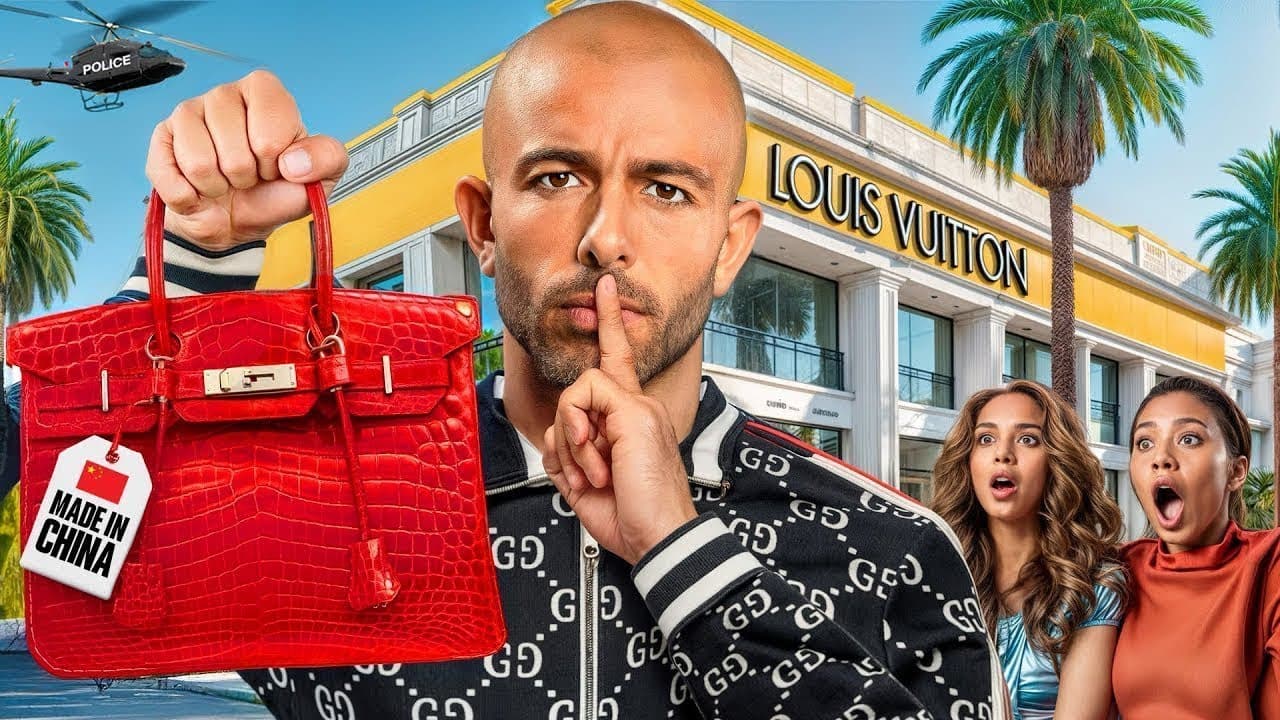
This is me about to try and buy the most expensive handbag in the world. We don't have any stock available at the moment or the version we got as a wish list. I asked how long the wait is and they said 3 to 5 years. What? 3 to 5 years? But that's actually a lie. A quick Google search shows that each store has hundreds on hand. This is what's called... Read More
Key Insights
- Manufactured scarcity is the deliberate appearance of limited availability. The presenter encounters a claimed 3–5 year handbag wait and contrasts it with a Google search suggesting stores hold hundreds, arguing that controlled access can intensify desire and make purchasing feel like a privilege.
- Information asymmetry is created when a seller controls prices, stock details, product names, and access. Prada’s lack of visible tags and its staff-led shopping process compel customers to interact, allowing sales associates to guide the conversation and retain power over the buying experience.
- Mystery can increase engagement for expensive products and services. The presenter recommends withholding selected information so prospective customers have a reason to contact a sales team, while distinguishing this approach from the full transparency commonly associated with commodity products.
- Luxury eyewear value is presented as heavily dependent on branding. The transcript claims that one large company, identified as Luxodica, designs and sells glasses for multiple luxury brands, supporting the presenter’s argument that logos and perceived willingness to pay can shape prices.
- Tribe triggering works by connecting a product with belonging, beliefs, values, and status. Van Cleef bracelets become identity signals when celebrities, influencers, men, and highly visible customer groups wear them, encouraging other buyers to associate ownership with membership in a desirable group.
- Product stacking increases the potential value of each sale by encouraging customers to buy a coordinated set. Van Cleef staff bring out several bracelets and present combinations, shifting the decision from whether to purchase one $8,000 item toward buying two, three, or a complete look.
- Authority manipulation uses respected or envied people to elevate a brand. The presenter cites celebrities such as Drake, LeBron, and the Kardashians, then recommends obtaining relevant endorsements or associations and supporting them with press mentions, customer reviews, and educational content.
- Perception hacking shapes value through sensory details rather than utility alone. The Rolls-Royce example emphasizes finishings, lighting, smell, weight, smoothness, security, and showroom design, arguing that these cues influence feelings about a product and help support a much higher selling price.
Install to Summarize YouTube Videos and Get Transcripts
Explore YouTube Video Summarizer or Get YouTube Transcript Extractor
Questions & Answers
Q: How does Hermès create demand for $70,000 handbags?
The presenter says Hermès uses manufactured scarcity by claiming that no stock is available and placing the desired handbag on a wish list. A stated wait of 3 to 5 years makes access feel rare, although the presenter cites a Google search suggesting each store has hundreds on hand.
Q: What is manufactured scarcity in luxury marketing?
Manufactured scarcity is the deliberate appearance that a product is difficult to obtain. According to the presenter, limited access intensifies desire and makes being allowed to purchase feel like a privilege.
Q: What is information asymmetry in luxury retail?
Information asymmetry occurs when the seller controls prices, stock details, product names, and access. At Prada, missing price tags and item names force shoppers to question staff, giving the sales team greater control over the interaction.
Q: Why does Prada hide prices and product information?
The presenter argues that Prada withholds information to create mystery and compel customers to engage with sales staff. He says mystery creates status, while limited transparency can increase desire for expensive products.
Q: How does branding affect the price of luxury sunglasses?
The presenter claims luxury sunglasses and cheap Target glasses can come from the same factory. He identifies Luxodica as the company designing and selling glasses for multiple luxury brands, arguing that the logo and perceived willingness to pay strongly influence pricing.
Q: How does Van Cleef use product stacking to increase sales?
Van Cleef staff bring out several bracelets and encourage customers to imagine them together. This shifts the decision from buying one $8,000 bracelet toward purchasing two, three, or a complete look.
Q: What is tribe triggering in luxury marketing?
Tribe triggering connects a product with belonging, identity, beliefs, values, and status. The presenter says visibility on Drake, LeBron, the Kardashians, influencers, and other customers makes buyers want to signal membership in the same desirable group.
Q: How can businesses apply these luxury marketing tactics ethically?
The presenter recommends withholding selected information so interested prospects have a reason to contact the sales team. Businesses can preserve some mystery around higher-priced offers without misrepresenting availability or the underlying product.
Summary & Key Takeaways
-
Definition: Manufactured scarcity makes a product appear difficult to obtain, increasing desire and making access feel privileged.
-
Number: The handbag wait quoted to the presenter was 3 to 5 years.
-
Definition: Information asymmetry lets luxury sellers control prices, stock details, product names, access, and the customer interaction.
-
Number: Prada is described as generating $4.2 billion per year.
-
Tool: Undercover recording sunglasses let the presenter observe Prada's staff-led retail experience.
-
Definition: Product stacking encourages customers to purchase several coordinated items instead of a single product.
-
Number: Van Cleef bracelets are said to cost $500 to make and sell between $8,000 and $50,000.
-
Definition: Tribe triggering associates ownership with belonging, beliefs, values, identity, and status.
-
Who: Drake, LeBron, and the Kardashians are cited as visible wearers who strengthen the bracelets' authority and social proof.
-
Compare: The presenter contrasts luxury sunglasses with cheap Target glasses, claiming both can be made in the same factory.
-
Tool: Luxodica is identified as the company that designs and sells glasses for multiple luxury brands.
Read in Other Languages (beta)
Share This Summary 📚
Summarize YouTube Videos and Get Video Transcripts with 1-Click
Try YouTube Summary with ChatGPT & Claude or YouTube Transcript Generator
Explore More Summaries from Sabri Suby 📚




Summarize YouTube Videos and Get Video Transcripts with 1-Click
Try YouTube Summary with ChatGPT & Claude or YouTube Transcript Generator