How Greenland ice reveals how communities adapt
TL;DR
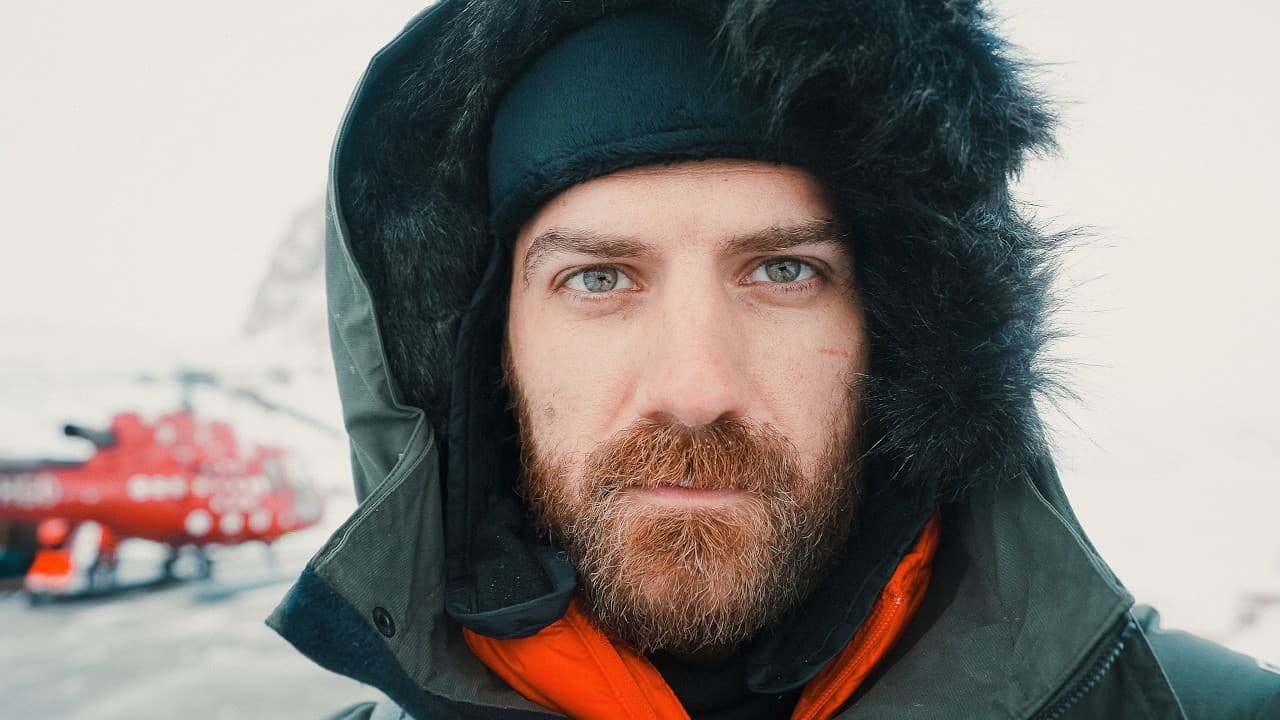
The video shows how ice controls life in Greenland villages and drives adaptation through hunting, mobility, and language. It highlights the daily risks and skills needed to survive in extreme cold, and hints at themes the host will explore in his broader project The Human Element.
Transcript
I've been film making all around the globe for almost a decade now or more than a decade. Whoa. In a few weeks, I'm about to release my most ambitious field documentary project ever. It's called The Human Element, and I'm so excited to share it with you. I've been working on it all year. To celebrate that and to get ready for it, I thought I would ... Read More
Key Insights
- Ice defines survival in Arctic communities, shaping travel, hunting, and daily routines.
- Local vocabulary for ice types signals a deep cultural relationship with the environment.
- Movement on sea ice requires knowledge of thickness, weather, and seasonality.
- Traditional practices like dog sledding are central to winter life and access to resources.
- Hunting methods are tightly linked to ice conditions and wildlife cycles.
- Isolation during winter forces communities to rely on stored foods and self-sufficient skills.
- The ice is dynamic, changing year by year and demanding continuous learning.
- Storytelling connects viewers to people living at the edge of the map and highlights adaptation strategies.
Install to Summarize YouTube Videos and Get Transcripts
Explore YouTube Video Summarizer or Get YouTube Transcript Extractor
Questions & Answers
Q: How does ice influence daily life in Greenland villages?
Ice shapes how people travel, hunt, and access food in rural Greenland. Villages rely on sea ice for mobility during the long winter, use ice to reach hunting grounds, and rely on traditional practices like dog sledding to move across frozen terrain. The changing thickness and movement of ice directly affect safety, supply chains, and with it, the community's rhythms and routines.
Q: What traditional activities are shown as part of survival on the ice?
The film portrays dog sledding as a core winter activity, with native sled dogs essential for transportation and hunting. It also shows sealing and hunting practices that depend on ice conditions, including trapping and using ice edges to access prey. These activities are deeply embedded in cultural practices and survival strategies tied to the Arctic environment.
Q: Why is the language of ice important to the communities?
Ice has many names and specific terms describing different types and conditions, indicating a nuanced, practical knowledge passed through generations. Learning to speak the language of the ice helps people navigate, predict behavior, and work with the environment to ensure safety and successful hunting, reflecting a sophisticated adaptation process to an ever changing landscape.
Q: What challenges do the filmmakers face while filming in Greenland?
Filmmakers face extreme cold, unpredictable weather, and logistical hurdles to reach remote islands. They must endure long travel times on planes and helicopters, cope with shifting ice that can alter routes, and bridge language barriers with local communities to accurately portray their experiences and ways of living on the edge of the Arctic.
Q: How does this video connect to The Human Element project?
The video introduces themes likely to be explored in The Human Element: how people adapt to extreme environments, the interplay between culture and environment, and the resilience of communities in the face of climate driven change. It uses a field documentary format to showcase human stories amidst shifting ice and landscapes.
Q: What role does food play in the Greenland segments?
Food is central to survival and is depicted through hunting, such as seals and narwhal, and through meals shared after long days on the ice. Food sources are tightly integrated with the seasonality and ice conditions, influencing daily routines, travel plans, and cultural practices around sustenance in a harsh climate.
Q: What technical skills are highlighted by the host?
The host demonstrates field documentary skills, including traveling to remote locations, coordinating with local guides, and adapting to extreme cold conditions. He also highlights the importance of observational storytelling, pacing, and interviewing in settings with language barriers, as well as an emphasis on visual immersion to convey environmental complexity.
Q: What themes are likely to recur in the broader series about extreme places?
Recurring themes include humanity's resilience in the face of environmental extremes, the adaptive strategies communities develop to survive and thrive, the cultural significance of the landscape, and how climate change or seasonal shifts alter traditional ways of life. The series uses immersive, on the ground storytelling to highlight personal experiences.
Summary & Key Takeaways
-
In Greenland, ice governs daily life, defining routes, seasons, and food sources for remote communities.
-
The narrative follows a filmmaker learning local ice vocabulary and survival techniques, illustrating how people adapt to shifting ice conditions.
-
The piece frames a larger exploration of human resilience in extreme environments through documentary storytelling.
Read in Other Languages (beta)
Share This Summary 📚
Summarize YouTube Videos and Get Video Transcripts with 1-Click
Try YouTube Summary with ChatGPT & Claude or YouTube Transcript Generator
Explore More Summaries from Johnny Harris 📚





Summarize YouTube Videos and Get Video Transcripts with 1-Click
Try YouTube Summary with ChatGPT & Claude or YouTube Transcript Generator