What Are the Moral Dilemmas of Self-Driving Cars?
TL;DR
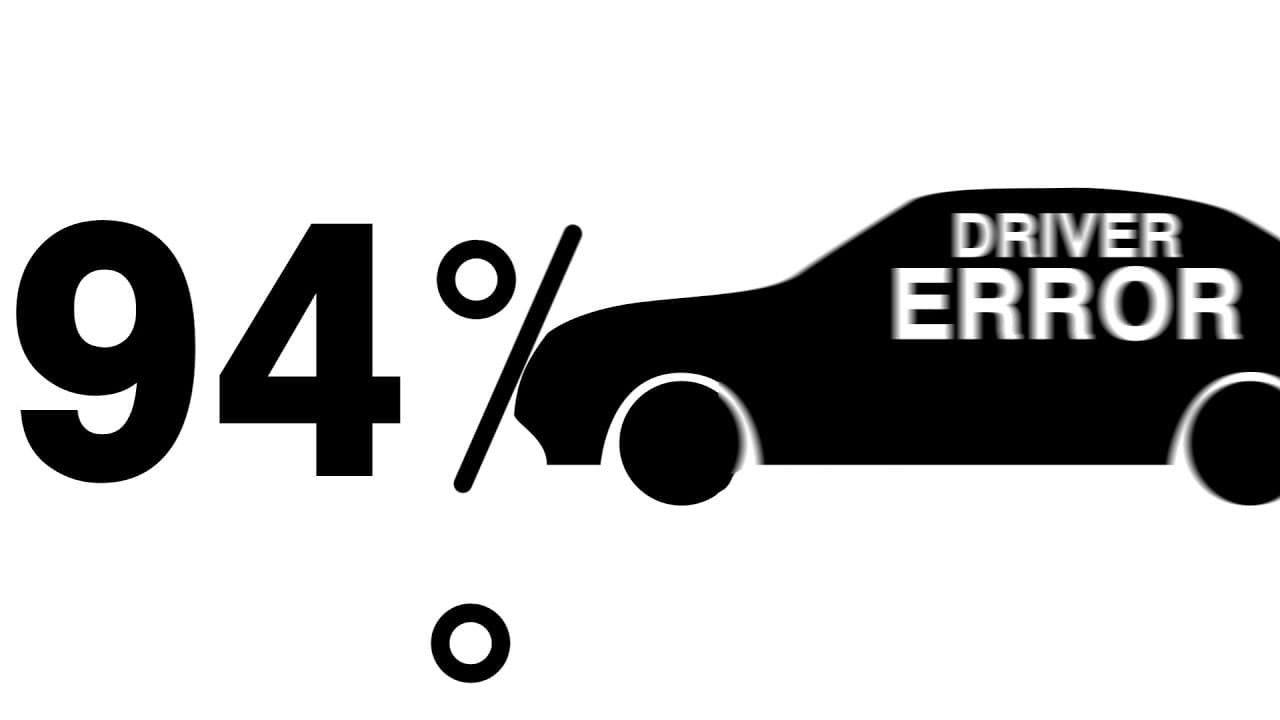
The main moral dilemma of self-driving cars revolves around programming ethical decision-making in situations where accidents occur, such as choosing between two potential collision courses. However, the greater concern is the urgent need to develop and deploy autonomous vehicles to significantly reduce traffic fatalities caused by human error, which accounts for 94% of collisions.
Transcript
Push this button. It's driving itself. It feels good. So, BMW brought me to the Consumer Electornics Show here in Las Vegas. I'm going to check out the future of driving. Did I get it? Am I near? [unintelligible] Oh! I felt it! That really felt like pushing a button. In this concept car, there's a holographic menu screen. It works by projecting an ... Read More
Key Insights
- 🚨 Haptic feedback and holographic interfaces are emerging technologies that enhance the driving experience in concept cars.
- 🚙 Trust and legal responsibility are concerns when it comes to using autonomous vehicles, as drivers are still accountable for any accidents.
- 🚙 The moral dilemmas regarding programming ethical decisions into autonomous vehicles should not overshadow the potential to save lives and reduce accidents.
- 😨 Driver error accounts for a significant majority of collisions, making autonomous cars a promising solution in reducing traffic fatalities.
- 🎠 The use of technology in cars, such as smartphones, has contributed to distracted driving and increased the need for autonomous vehicles.
- 👯 Lessons from other autonomous technologies, like elevators and airplanes, show that trust and acceptance will likely increase with time as people become more accustomed to autonomous vehicles.
- 😚 The longer we delay the implementation of autonomous vehicles, the more lives will be lost due to preventable accidents.
Install to Summarize YouTube Videos and Get Transcripts
Explore YouTube Video Summarizer or Get YouTube Transcript Extractor
Questions & Answers
Q: How much should you trust an autonomous car?
While autonomous cars can handle most driving tasks, the responsibility still lies with the driver to take over when needed. Legally, the driver remains accountable for the car's actions.
Q: What ethical framework should autonomous vehicles follow?
Programming ethical decisions into autonomous cars is challenging. Engineers and policymakers need to develop guidelines that prioritize overall safety and minimize harm in unavoidable accidents.
Q: How can autonomous vehicles reduce traffic fatalities?
Human error is responsible for the majority of collisions, and autonomous cars can significantly reduce accidents. By taking over driving responsibilities, autonomous vehicles have the potential to save thousands of lives each year.
Q: Why is it important to accelerate the development of autonomous vehicles?
With the high number of fatalities and injuries caused by human error on the roads, the sooner autonomous vehicles become mainstream, the more lives can be saved. Delaying their adoption only perpetuates the problem.
Summary & Key Takeaways
-
BMW showcases a concept car with a holographic menu screen that provides haptic feedback to the driver's fingers.
-
The rise of autonomous vehicles brings up questions regarding trust and legal responsibility when accidents occur.
-
The main problem is not the moral dilemmas faced by autonomous cars but the need to accelerate their development to save lives.
Read in Other Languages (beta)
Share This Summary 📚
Summarize YouTube Videos and Get Video Transcripts with 1-Click
Try YouTube Summary with ChatGPT & Claude or YouTube Transcript Generator
Explore More Summaries from Veritasium 📚





Summarize YouTube Videos and Get Video Transcripts with 1-Click
Try YouTube Summary with ChatGPT & Claude or YouTube Transcript Generator