How to Run Monthly Etsy Product Research
TL;DR
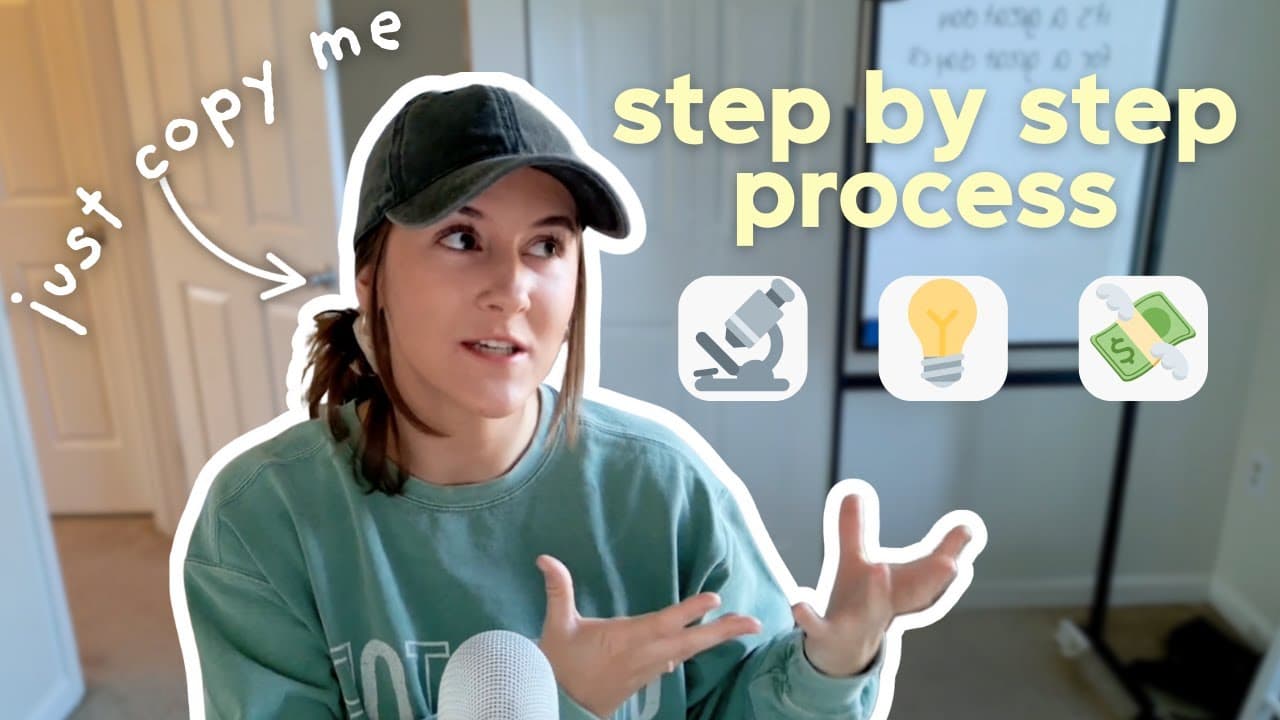
Start Etsy research with broad design analysis, then investigate keywords and demand. This order keeps inspiration flexible, reduces accidental imitation within a niche, and helps combine proven visual elements with search terms that show buyer interest. Repeat a formal, intentional research session monthly while collecting informal inspiration from social media, stores, and everyday observations throughout the month.
Transcript
Over the last two years, I will say I feel like I've really perfected my research routine. I used to feel really scrambled with my research because I just had no idea what I really was even looking for and I just don't think I had a good system in place. But I will say I have perfected that system. So that's what we're going to walk through today. ... Read More
Key Insights
- Design research is the first stage of the monthly routine because it encourages open-minded exploration before a niche or keyword shapes creative decisions. The researcher studies individual components, including layouts, fonts, formats, graphic styles, text placement, and collage structures, rather than planning an entire niche-specific design immediately.
- Keyword research is the second stage because it connects broadly sourced design inspiration with terms that demonstrate customer interest. Once keywords emerge, the seller can match them with visual formulas identified earlier and develop a new combination that uses working elements without simply reproducing an existing listing.
- Researching designs only within the intended niche can increase overthinking and accidental imitation. A seller studying school nurse products before creating another school nurse design may mirror existing work too closely, while inspiration gathered from unrelated categories provides more room for an original application.
- Successful listings are useful sources of market data because their visible performance indicates that buyers are responding. The routine begins with broad, high-selling product categories such as shirts, sweatshirts, phone cases, mugs, and tote bags, alongside general searches such as gifts for her or gifts for him.
- Formal research is an intentional monthly session focused on finding keywords, trends, demand signals, and design information. Informal research continues throughout the month through incidental exposure, including TikTok browsing or seeing products at Target, so useful inspiration can be captured between scheduled sessions.
- Proven design elements can be transferred into unrelated keywords to create distinct concepts. Examples include adapting a friendship bracelet format to a mama-to-be idea, applying a stamp layout to a skiing mug, and combining a meme-inspired phrase structure with a raccoon Halloween theme.
- Imitating an industry norm means using established approaches as a foundation, not directly copying another seller. The routine examines working layouts, fonts, graphic styles, formats, pricing approaches, and product ideas, then creates a separate version suited to the seller's own keyword or business concept.
- Demand indicators help prioritize which Etsy listings deserve closer analysis. The Etsy Radar tool in Profit Tree displays metrics such as items being in 20-plus carts, recent sales, recent views, and demand information, reducing the need to open and inspect every search result individually.
Install to Summarize YouTube Videos and Get Transcripts
Explore YouTube Video Summarizer or Get YouTube Transcript Extractor
Questions & Answers
Q: How should I structure a monthly Etsy research routine?
Begin with broad design research before selecting a niche or keyword. Record useful elements such as layouts, fonts, graphic styles, text arrangements, and formats from listings that show evidence of sales. Next, conduct keyword research and connect promising search terms with the visual formulas you collected. Repeat this intentional session monthly, while continuing informal research through everyday observations during the rest of the month.
Q: Why should Etsy design research come before keyword research?
Design research should come first because a specific keyword can narrow attention too early. When a seller already plans to target one niche, every visual idea may be forced to fit that niche, which creates overthinking and encourages close imitation of direct competitors. Starting broadly keeps the seller flexible and makes it easier to transfer successful visual components into a different, demand-supported product idea.
Q: How can Etsy sellers avoid copying competing designs?
Sellers can reduce accidental copying by separating the source of visual inspiration from the niche they intend to target. Instead of studying only school nurse designs before making another school nurse product, they can identify layouts, lettering styles, graphic formats, and composition techniques across unrelated categories. Those components can then be adapted to a different keyword with original wording, subject matter, and supporting graphics.
Q: What should I examine during Etsy design research?
Examine the components that make a successful listing visually recognizable rather than treating the complete design as a template to reproduce. Useful details include text placement, font choices, graphic styles, overall formats, collage structures, illustrated objects, and the relationship between words and images. Record these elements without immediately assigning them to a niche, then consider possible applications during keyword research.
Q: How do design research and keyword research work together?
Design research identifies visual formulas that are already working, while keyword research identifies topics or products that show customer interest. The seller combines the two by applying a proven style to a different relevant search term. Examples from the routine include using friendship bracelet lettering for a mama-to-be design and adapting a stamp-style layout to a skiing mug keyword.
Q: What Etsy demand signals should sellers look for?
Useful demand signals include listings appearing in 20-plus carts, products with sales during the previous 24 hours, recent listing views, and bestseller badges. These indicators help a seller focus on products that are currently receiving attention or purchases. Profit Tree's Etsy Radar is presented as a way to display several of these metrics at a glance without manually opening every search result.
Q: What is the difference between formal and informal Etsy research?
Formal research is a scheduled, intentional process in which the seller actively seeks keywords, trends, demand evidence, and design information. The creator performs this structured session once every month for maintaining print-on-demand businesses. Informal research happens continuously and without a fixed assignment, such as noticing an inspiring product at Target or encountering an interesting visual idea while scrolling TikTok.
Q: Where should an Etsy seller begin broad product research?
Begin in areas where products are visibly selling because completed sales and active demand provide information that can guide decisions. The routine starts with broad product types such as shirts, sweatshirts, phone cases, mugs, and tote bags. It also uses general search phrases such as gifts for her and gifts for him, which reveal varied designs without restricting the research to one narrow customer group.
Summary & Key Takeaways
-
The monthly routine separates formal and informal research. Formal sessions intentionally seek trends, keywords, demand signals, layouts, fonts, graphics, and other useful information. Informal research happens throughout the month when inspiration appears unexpectedly, such as while scrolling TikTok or seeing products at Target. Both modes contribute ideas to the creative process.
-
Design research comes before keyword research so visual exploration remains broad and detached from a particular niche. Instead of studying only competing products, the seller identifies reusable components from successful listings. These may include text placement, collage arrangements, stamp formats, friendship bracelet lettering, graphic styles, or objects held by illustrated characters.
-
Keyword research adds evidence of customer interest to the collected design ideas. The seller combines proven visual formulas with relevant search terms, creating an original application rather than reproducing an existing niche design. Etsy demand indicators such as carts, recent sales, views, and bestseller badges help identify listings worth studying for useful data.
Read in Other Languages (beta)
Share This Summary 📚
Summarize YouTube Videos and Get Video Transcripts with 1-Click
Try YouTube Summary with ChatGPT & Claude or YouTube Transcript Generator
Explore More Summaries from Taylor Posada 📚




Summarize YouTube Videos and Get Video Transcripts with 1-Click
Try YouTube Summary with ChatGPT & Claude or YouTube Transcript Generator