How to Grow a Micro-SaaS With Customer Pain
TL;DR
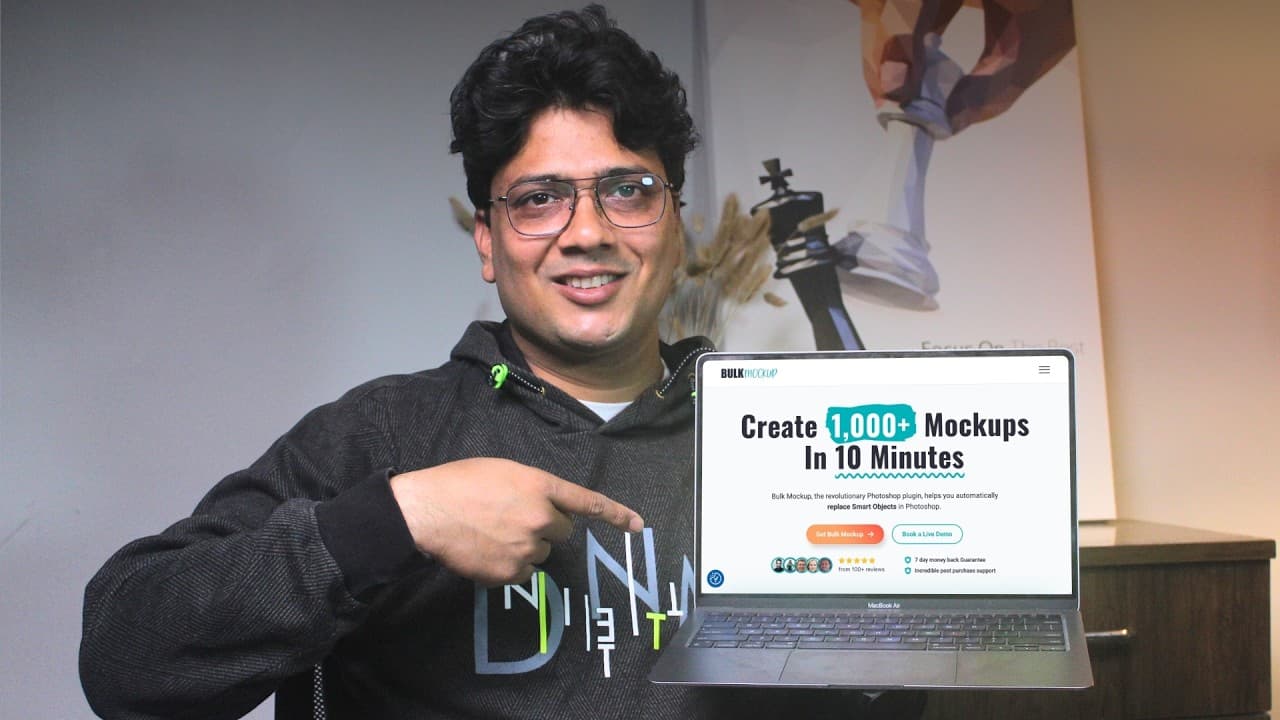
Build content around specific customer problems instead of chasing viral reach. Vikash grew BulkMockup, a Photoshop plugin earning about $12,000 per month, by harvesting pain from communities, onboarding emails, support conversations, and YouTube comments, then publishing direct tutorials that attract high-intent customers and reveal more problems to solve.
Transcript
My strategy is simple. I turn customer pain into contents. This is Vicos, a guy from India who built a simple piece of software that makes $12,000 per month. But what's way more interesting than that is how he finds customers. He's not going viral or chasing Tik Tok trends. His approach is much smarter than that. I create content for one specific p... Read More
Key Insights
- Customer pain is the fuel for Vikash's content flywheel. He identifies a specific problem, publishes a tutorial that solves it, attracts customers who trust the demonstrated solution, and uses their questions and experiences to discover additional problems for future content.
- BulkMockup is a Photoshop plugin that reduces a manual mockup workflow from roughly 30 minutes to one hour down to about two minutes. Customers discover the plugin through YouTube, purchase it, use it with Photoshop and their mockup templates, and pay monthly.
- The business idea emerged from freelance work rather than brainstorming. Vikash learned enough JavaScript through Stack Overflow to build a Photoshop script, then used it to complete an assignment involving 1,800 mockups in under 30 minutes.
- Early customer willingness to pay is evidence of a painful problem. When a client expected the 1,800-mockup assignment to take three or four days, the automated result surprised him enough that he paid Vikash $300 for the underlying tool without hesitation.
- A rough working product is sufficient for initial validation. BulkMockup started as a hacky script with messy logic and weak interface design, while missing license validation and user management forced Vikash to sell it through one-time lifetime deals.
- Small audiences can produce meaningful customers when content matches purchase intent. One tutorial received about 370 views across four months and produced three customers paying $15 per month, demonstrating why relevant viewers mattered more than broad reach.
- Customer support is an education and research channel for BulkMockup. The team requests customer files, records custom tutorials, and sometimes solves workflows during calls. Over three years, this process produced more than 1,500 recordings containing real problems and unusual edge cases.
- YouTube comments are signals of unresolved demand when niche videos have modest view counts but unusually active discussions. Vikash collects the objections expressed in those comments, then creates clearer content that addresses the problem and answers the outstanding objections directly.
Install to Summarize YouTube Videos and Get Transcripts
Explore YouTube Video Summarizer or Get YouTube Transcript Extractor
Questions & Answers
Q: How did Vikash find the idea for BulkMockup?
Vikash found the idea while doing Photoshop freelance work through Upwork and Freelancer.com. After learning enough JavaScript to automate part of Photoshop, he created an internal script for his projects. A later client requested 1,800 mockups and expected several days of work, but the script finished them in under 30 minutes. The client then paid $300 for the tool, validating the opportunity.
Q: What problem does the BulkMockup Photoshop plugin solve?
BulkMockup automates the repetitive process of creating product mockups in Photoshop. According to Vikash, completing the workflow manually can take roughly 30 minutes to one hour, while the plugin can reduce it to about two minutes. Customers run the plugin inside Photoshop with their own mockup templates, allowing print-on-demand workflows to produce many mockups much faster.
Q: How did BulkMockup become a subscription product?
BulkMockup first existed as a hacky Photoshop script rather than a software subscription. Vikash spent two months turning the script into a functional product with a basic interface, but he lacked license validation and user management, so he initially sold lifetime access for a one-time payment. After generating enough funds, he hired an Upwork developer to polish the product into its current form.
Q: What is the customer-pain content flywheel?
The customer-pain content flywheel begins with discovering a real problem experienced by a specific customer. Vikash creates a focused YouTube tutorial that solves that problem, allowing relevant viewers to find the solution, trust his expertise, and purchase BulkMockup. Those customers then raise new questions and edge cases, which become inputs for additional tutorials and keep the cycle operating.
Q: Can low-view YouTube tutorials generate SaaS customers?
Low-view tutorials can generate customers when they address specific problems with strong purchase intent. Vikash described one tutorial that received about 370 views over four months and led to three customers, each paying $15 per month. He treats every tutorial as a persistent asset because it can remain searchable on YouTube and Google and continue attracting relevant customers over time.
Q: How does Vikash collect customer pain for content ideas?
Vikash collects customer pain through four touch points: customer communities, onboarding emails, support interactions, and YouTube comments. He watches communities for repeatedly mentioned problems without selling there, asks new customers whether they want a custom tutorial, records solutions to support cases, and studies niche videos whose comments reveal unresolved objections. These sources replace conventional brainstorming with direct customer evidence.
Q: How can customer support become a content research channel?
BulkMockup treats customer support as both education and research. When customers request help, the team asks for their files and records personalized tutorials or Loom videos. They sometimes join calls, walk through the customer's workflow, solve the problem, and preserve the conversation. Over three years, this approach created more than 1,500 recordings containing real questions and edge cases that can inspire public content.
Q: How should tutorial videos for a micro-SaaS be produced?
Vikash recommends recording the solution directly instead of prioritizing elaborate introductions, polished setups, or viral presentation techniques. Each tutorial should focus on one specific problem experienced by one specific customer. This approach makes the content useful to people actively searching for an answer, builds trust by demonstrating the solution, and can produce customers even when the total view count remains modest.
Summary & Key Takeaways
-
Vikash discovered the opportunity while completing Photoshop freelance work. After creating a script that generated 1,800 mockups in under 30 minutes, a surprised client paid $300 for it. That transaction showed that automating a narrow, repetitive task could become a viable product for print-on-demand sellers.
-
BulkMockup began as a rough Photoshop script sold for a one-time fee. Vikash spent two months placing it inside a basic interface, then sold lifetime access because he lacked license validation and user management. After accumulating enough funds, he hired a developer through Upwork to polish the product.
-
The marketing system converts customer pain into searchable tutorials. Vikash gathers problems from communities, onboarding replies, support interactions, and YouTube comments. Videos directly demonstrate solutions without elaborate introductions or production. Although many receive modest traffic, they attract relevant viewers, generate subscriptions, and remain discoverable through YouTube and Google.
Read in Other Languages (beta)
Share This Summary 📚
Summarize YouTube Videos and Get Video Transcripts with 1-Click
Try YouTube Summary with ChatGPT & Claude or YouTube Transcript Generator
Explore More Summaries from Starter Story 📚



Summarize YouTube Videos and Get Video Transcripts with 1-Click
Try YouTube Summary with ChatGPT & Claude or YouTube Transcript Generator