How Did Beanie Babies Become a Speculative Investment Bubble?
TL;DR
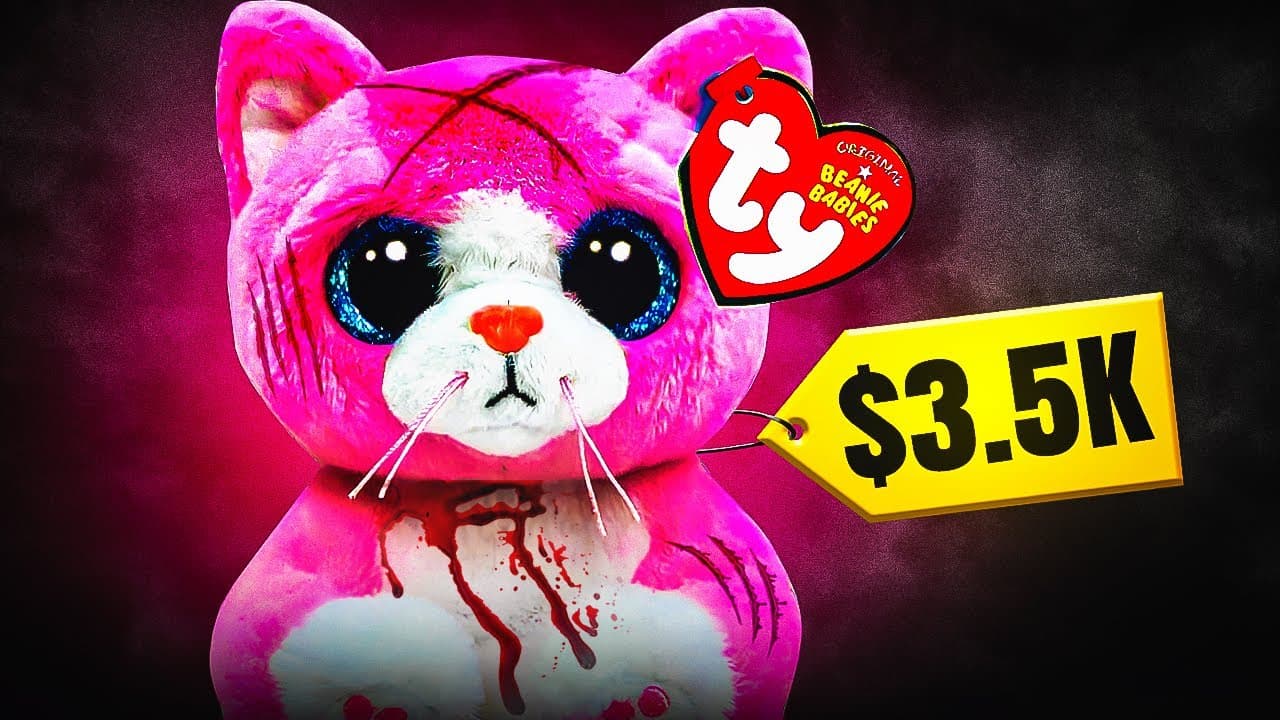
Ty Warner turned a $5 plush toy into a speculative asset by manufacturing artificial scarcity. After supply chain problems forced him to drop Lovey the Lamb, his team framed it as a deliberate "retirement" rather than a discontinuation, which spiked demand across the whole line. Retiring toys on purpose, refusing big box stores and unofficial price guides then pushed resale values into the thousands.
Transcript
Little Miss grown-ups don't play with toys if I went into that apartment right now would I not find Beanie Babies I have my Beanie Baby Beanie Baby I'm looking for Beanie Babies they want Beanie Babies they're just cute total addiction and I'm obsessed once you fall in love with them you're all through I guess lost a lot of money they were buying h... Read More
Key Insights
- The Beanie Baby bubble began with a lie of convenience. Lovey the Lamb had to be dropped because the supplier could no longer produce the fabric, but instead of admitting a supply chain problem, Ty Inc told wholesale buyers the item had been "retired".
- Framing a discontinuation as a deliberate retirement changes buyer psychology. Customers immediately began asking whether other Beanie Babies would be retired too, which produced an instant boost in sales across the entire line rather than just the discontinued toy.
- Ty Warner's core product decision was to under stuff his toys. Rather than filling them with beans until they were hard and fixed in position, he left them less full inside, making them softer, more cuddly and easy to pose by moving the body parts.
- Refusing to sell to discount retailers was a deliberate perceived value strategy. Ty avoided big box chains like Toys R Us because they would dump Beanie Babies into massive bins and discount them, which he believed would destroy the sense that each item was special.
- Selling to many small shops instead of a few large ones manufactured the appearance of rarity. Because mom and pop toy and gift stores never stocked many Beanie Babies at once, shoppers walked in and concluded the toys were far scarcer than they actually were.
- Collector checklists converted a children's toy into a competitive adult pursuit. As one collector admitted, once you have a checklist you stop looking at what you have and start looking at what you do not have, which drove Suburban mothers in Illinois to search shops in other areas.
- The secondary market prices had no real basis. A collector published a price guide listing a value for every issued Beanie Baby, and although the numbers were wild guesswork and often exaggerated, the resale market adopted them as the true values.
- Early Beanie Babies became genuinely rare by accident. Because the original designs sold poorly, few were manufactured, so when they were retired the small circulating supply met rising demand and prices shot up on the secondary market.
- Retirement announcements doubled as inventory clearance. When Ty saw an animal that was not selling well, he would announce its retirement, and collectors would immediately start buying it in bulk, clearing the stock he could not otherwise move.
Install to Summarize YouTube Videos and Get Transcripts
Explore YouTube Video Summarizer or Get YouTube Transcript Extractor
Questions & Answers
Q: How did Beanie Babies turn into a speculative investment?
A $5 to $10 toy became a speculative asset through engineered scarcity. Ty Inc retired designs so they could no longer be bought in shops or produced, which pushed buyers onto a secondary market where collectors traded and sold to each other. A collector then published a price guide assigning a value to every issued Beanie Baby. Those numbers were guesswork and often exaggerated, but the market treated them as real values, and tracking rising prices over time introduced the idea of Beanie Babies as investments, with resales eventually reaching thousands of dollars.
Q: What was the first Beanie Baby to be retired and why?
Lovey the Lamb was the one early Beanie Baby that had caught on with buyers, but a supplier problem meant the fabric used to make it could no longer be produced, forcing Ty Inc to discontinue it. When wholesale buyers asked for more, the company did not explain the supply chain issue. It said the item had been "retired" instead. Framing an involuntary discontinuation of a popular product as a deliberate choice created the psychological trigger that started the whole retirement strategy.
Q: Why did Ty Warner refuse to sell Beanie Babies to Toys R Us and big box stores?
Ty wanted every item to feel special, and he believed large chains would undermine that. He said big box stores and major chains like Toys R Us would put Beanie Babies in massive bins and discount them, lowering their perceived value. So rather than selling to a small number of big shops, he sold to a large number of small mom and pop toy and gift shops that had little bargaining power with him. This turned out to be a commercial advantage, because small stores never held many Beanie Babies, which made the toys look much rarer than they were.
Q: Who was Ty Warner and what was his background before Ty Inc?
Ty Warner was born in 1944 into a severely dysfunctional family. His mother was a paranoid schizophrenic and his father beat him and his little sister, and after his parents divorced he was sent to military school for no real reason. He followed his father into selling children's toys, joining a large company that sold stuffed toy dolls, where he showed an unusual talent for predicting which toys would sell. By the early 1970s he was the top salesman, earning over $100,000 a year, more than the CEO.
Q: How was Ty Inc founded and funded?
Ty was fired from the toy company after executives learned he had been secretly pitching his own toy ideas to their clients and accused him of trying to steal customers. He was devastated, lost all sense of purpose and became so depressed that some worried he would end his life. In the 1980s he said he had a vision that he needed to start his own plush toy company. His father had died, leaving him a $50,000 inheritance, and he used all of it as the starting capital, officially creating Ty Inc in 1986.
Q: When did Beanie Babies launch and how successful were they at first?
In 1993, after several years of trying different toys, Ty had an idea he was particularly excited about: a new series of plush toys called Beanie Babies. The first design was the green frog Legs, and the launch included a total of nine original Beanie Babies, soon rising to over 30, each with the distinctive red Ty tag attached. Despite Ty's excitement, they were initially a failure and simply were not selling well. That early failure later mattered, because so few had been produced.
Q: Why were the original Beanie Babies worth so much on the secondary market?
The retirement strategy worked especially well on the earliest designs precisely because they had sold poorly. Since demand had been weak, Ty Inc had not produced many of them. When those original Beanie Babies were retired, there were very few in circulation, so by simple supply and demand the rarer ones shot up in value once collectors began trading and selling them to each other. The scarcity that made the early line a commercial disappointment became the exact thing that made it valuable.
Q: What role did collectors and price guides play in the Beanie Baby craze?
Suburban mothers in Illinois became the first serious collectors, initially claiming they were buying for their kids. Shops began handing out detailed checklists showing which Beanie Babies were still active and which had been retired, which made adults competitive: as one collector put it, once you have a checklist you look at what you do not have. Collectors then published price guides, magazines and books, which further increased demand. Ty was not happy about this and wanted to sue the unofficial magazines, until it became clear the secondary market was dramatically increasing his sales.
Summary & Key Takeaways
-
Ty Warner was born in 1944 into a severely dysfunctional family, with a paranoid schizophrenic mother and a father who beat him and his sister. He became the top salesman at a large stuffed toy company by the early 1970s, earning over $100,000 a year, more than the CEO, before being fired for pitching his own toy ideas to company clients.
-
After his father died and left him a $50,000 inheritance, Ty used all of it as starting capital to found Ty Inc in 1986. He flew to South Korea and knocked on factory doors until a manufacturer agreed to produce his first product, stuffed Himalayan cats, which he deliberately under stuffed to make them softer and posable.
-
Beanie Babies launched in 1993 with nine original designs, starting with Legs the frog, and initially failed to sell. The accidental discovery that calling a discontinued toy "retired" boosted sales turned into a deliberate scarcity strategy, which combined with collector checklists, small store distribution and unofficial price guides to create a full speculative bubble.
Read in Other Languages (beta)
Share This Summary 📚
Summarize YouTube Videos and Get Video Transcripts with 1-Click
Try YouTube Summary with ChatGPT & Claude or YouTube Transcript Generator
Explore More Summaries from MagnatesMedia 📚





Summarize YouTube Videos and Get Video Transcripts with 1-Click
Try YouTube Summary with ChatGPT & Claude or YouTube Transcript Generator