How to project confidence with body language in public

TL;DR
Confidence shows in posture, eye contact, smooth but broad gestures, and a controlled pace. You can cultivate it by observing high status behavior, practicing how you speak and move, and using deliberate pauses. Simple exercises like a firm no, vocal training, and warmups help you appear in control and credible.
Transcript
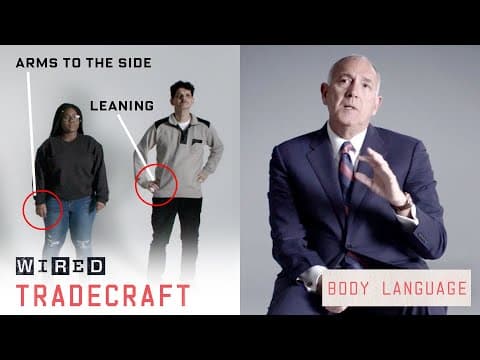
- People that are supremely confident, when they enter the room, they feel comfortable in that room. They don't hesitate to look around, their gestures are smooth, but they're very broad. And that has to do with confidence. And for a lot of people, this is very difficult. I remember the great actress, Helen Mirren, saying, "One of the most difficul... Read More
Key Insights
- Confidence is shown by posture, broad and smooth gestures, and looking around with purpose.
- High status individuals project confidence through self control, knowledge, and a defined self image.
- Confident speech uses tempo and cadence to hold attention and signal leadership.
- Avoid uptalk and rapid speech which reduce perceived confidence and clarity.
- The way you say No, with a steady voice and wide fingers, enhances message power.
- Practice and rehearsal are essential to overcome fear and to perform naturally.
- Modeling behaviors from admired figures can accelerate personal confidence development.
- Spatial presence, including comfortable seating and controlled movement, supports confident delivery.
Install to Summarize YouTube Videos and Get Transcripts
Explore YouTube Video Summarizer or Get YouTube Transcript Extractor
Questions & Answers
Q: A real search query question about the video (e.g. 'How to...', 'What is...', 'Why does...', 'When should...'). Question 1
How can I appear more confident when entering a room and speaking with others? Confidence comes from a combination of posture, eye contact, and a deliberate pace. Walk in with a sense of purpose, keep gestures smooth and wide, and answer questions in a controlled tempo. Practice these cues until they feel natural and authentic.
Q: Question 2
What role does cadence play in confidence according to the speaker? Cadence helps hold attention and signals leadership. Pausing at key moments lets the audience anticipate what comes next and reinforces that you are in charge. Slow, deliberate speech contrasts with rushed, machine gun delivery and improves clarity.
Q: Question 3
What everyday gestures should I adjust to come across as more confident? Subtle changes like avoiding rapid, jittery movements and using steady, purposeful gestures help. Interlaced fingers and steepling can convey control, while avoiding fidgeting reduces perceived insecurity.
Q: Question 4
How does one handle nervousness when giving a talk or answering questions? Acknowledge fear openly, rehearse thoroughly, and warm up physically to release tension. Begin with a moment to collect yourself, then proceed with practiced material and a calm, confident tone.
Q: Question 5
How can I use eye contact effectively without staring or avoiding the audience? Eye contact should be natural and purposeful, not fixed or aggressive. Scan the room, connect with individuals briefly, and then continue with your prepared points to maintain authority and engagement.
Q: Question 6
What is the importance of tempo when presenting information? Tempo signals how confident you are and helps the audience absorb what you say. Speaking too fast makes it harder to listen; a measured pace keeps listeners aligned with your message and demonstrates mastery over the content.
Q: Question 7
What examples from public figures illustrate confident presence? The video references Colin Powell and Jane Goodall as leaders who command a room through knowledge, deliberate self-presentation, and composed demeanor. Modeling such traits can help you cultivate a similar personal brand of confidence.
Q: Question 8
What practical steps can someone take to improve confidence over time? Start with small rehearsals, frequent practice, and exercises like the No exercise to reinforce assertive delivery. Gradually expand into real settings, maintain a supportive stance, and continue refining voice, tempo, and gestures to project steadiness and competence.
Summary & Key Takeaways
-
A confident presence comes from controlling your environment with calm, deliberate gestures and measured timing, not from forceful flashing of authority. The video shows real examples of how posture, eye contact, cadence, and tempo influence how others perceive you, including modeling behaviors from high status figures.
-
A practical approach is to rehearse, warm up physically, and adopt a comfortable posture that signals readiness without rushing. The speaker emphasizes that confidence can be learned and improved over time through consistent practice and mindful delivery.
-
The content highlights that confident communication relies on temporal control and cadence. By slowing down, pausing, and speaking with purpose, you invite attention and convey authority, whether delivering a public address or answering questions in a conversation.
Read in Other Languages (beta)
Share This Summary 📚
Summarize YouTube Videos and Get Video Transcripts with 1-Click
Try YouTube Summary with ChatGPT & Claude or YouTube Transcript Generator
Explore More Summaries from WIRED 📚



Summarize YouTube Videos and Get Video Transcripts with 1-Click
Try YouTube Summary with ChatGPT & Claude or YouTube Transcript Generator