How to Build Discipline by Doing Hard Things
TL;DR
Choose purposeful discomfort each day instead of pursuing random suffering: complete one physical challenge, one focused work session, and one emotionally difficult act. Repeating these challenges raises your tolerance for friction, helps minor annoyances pass without lingering, and gradually replaces identities such as procrastinator or conflict avoider with the belief that you are someone who reliably does hard things.
Transcript
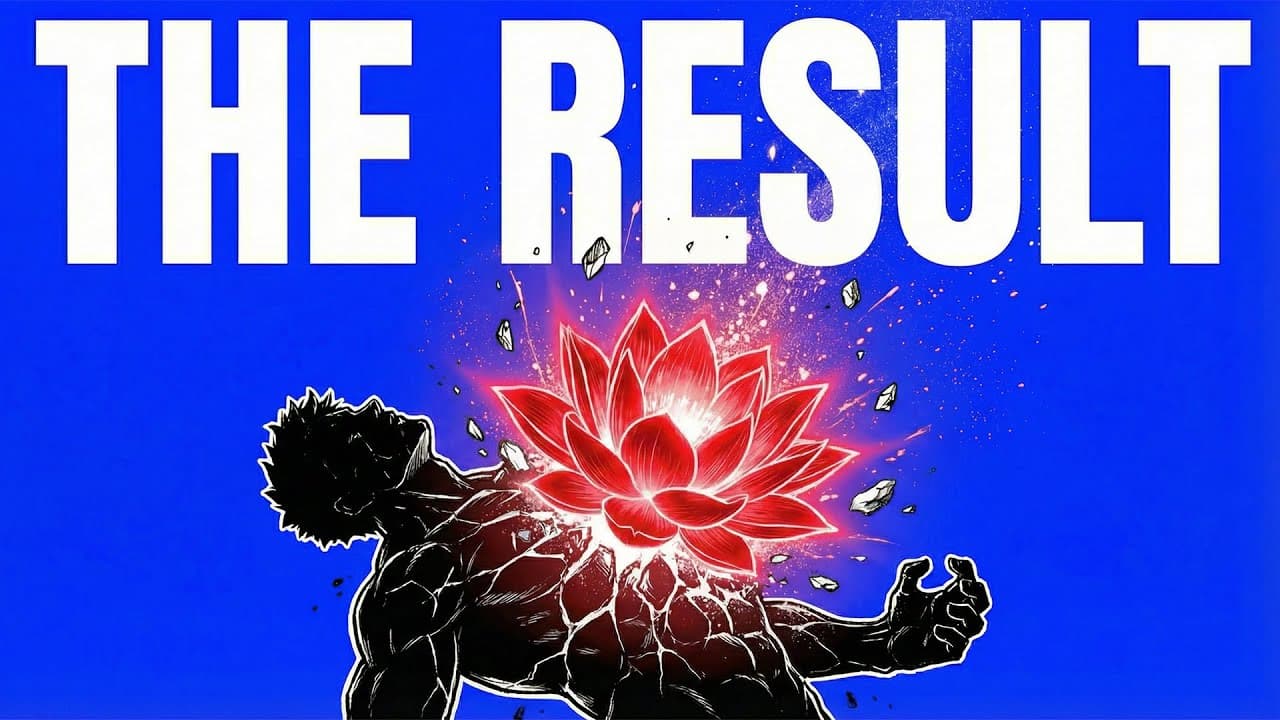
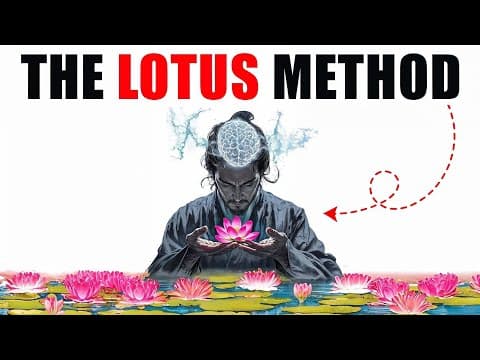
So the monks had this concept. The lotus flower doesn't grow in clean water. It grows in mud. Heavy, dirty mud. And it doesn't just survive there. It uses it, pushes through. It blooms into something pure on the other side. Most people spend their whole lives running from the mud. They want the clean path. But that path doesn't exist. The Lotus met... Read More
Key Insights
- The Lotus Method is based on treating struggle as fuel for growth rather than as an obstacle that must disappear. Like a lotus pushing through heavy mud, a person deliberately uses difficult conditions to develop discipline, resilience, focus, and a different relationship with discomfort.
- Mental resilience is described as letting difficult events pass without carrying their emotional weight into later moments. After consistently practicing hard things, Gohan still encounters the same traffic, comments, relationships, and annoyances, but they stop controlling his mood or occupying his thoughts for extended periods.
- Tactical friction is intentional difficulty chosen for a specific purpose, not pain pursued for its own sake. Randomly waking at 4:00 a.m., skipping meals, and accepting every difficult task leaves Gohan exhausted, while one targeted morning challenge trains him without turning discipline into self-destruction.
- A friction threshold is the point at which discomfort feels too difficult and causes someone to quit or seek an easier option. Daily, purposeful challenges are presented as a way to move that threshold and recalibrate what the mind interprets as hard.
- The physical anchor is a 5–10 minute challenge completed first thing in the day, such as a cold shower, burpees, heavy lifting, or sprints. Its purpose is to prove that discomfort can be handled before the mind begins negotiating or making excuses.
- The mental deep dive is 90 minutes devoted to one important task that has been repeatedly avoided. Email and busy work do not qualify. The method calls for removing distractions, placing the phone in another room, and working directly on the project or skill that matters.
- The radical truth is one emotionally difficult act each day, such as having an avoided conversation, saying no, stating a boundary, or expressing something true. The method treats this as courage training because physical strength and concentration do not eliminate fragility caused by avoiding necessary honesty.
- Identity change is built through repeated action rather than through a fixed idea of the self. Around 60–100 days, the practices may require less negotiation and begin to feel automatic, shifting the internal description from trying to be disciplined to being someone who does hard things.
Install to Summarize YouTube Videos and Get Transcripts
Explore YouTube Video Summarizer or Get YouTube Transcript Extractor
Questions & Answers
Q: How do you practice the Lotus Method every day?
Practice three pillars each day. Begin with a purposeful physical challenge lasting 5–10 minutes, such as a cold shower, burpees, a heavy lift, or sprints. Then spend 90 minutes on one important task you have been avoiding, with your phone in another room. Finally, complete one emotionally difficult act, such as speaking an uncomfortable truth, setting a boundary, saying no, or having an avoided conversation.
Q: What is the difference between tactical friction and random suffering?
Tactical friction is a deliberate challenge selected because it trains a useful response, raises your tolerance for discomfort, or advances meaningful work. Random suffering has no clear purpose or strategy. Gohan initially wakes at 4:00 a.m., takes cold showers, skips meals, and says yes to every difficult option. By week three he is exhausted and ready to quit, showing why indiscriminate hardship is described as self-destruction rather than the Lotus Method.
Q: How does doing hard things build mental resilience?
Doing hard things consistently trains the mind to experience discomfort without allowing every unpleasant event to control the rest of the day. In the example, Gohan continues dealing with the same job, traffic, girlfriend, coworkers, and annoying people after six months. What changes is his response: comments, delays, and frustrations stop sticking, so he no longer replays them or carries their emotional weight from one moment into the next.
Q: What are the three pillars of the Lotus Method?
The three pillars are a physical anchor, a mental deep dive, and a radical truth. The physical anchor uses 5–10 minutes of bodily discomfort to practice action. The mental deep dive gives 90 uninterrupted minutes to meaningful, avoided work. The radical truth develops emotional courage through an honest conversation, a clear no, a needed boundary, or another truth that has been withheld because expressing it feels uncomfortable.
Q: Why should the physical challenge happen first thing in the morning?
The morning physical challenge is intended to make purposeful action happen before internal negotiation and excuses begin. Gohan chooses a two-minute cold shower because it lets the body lead the mind and provides early evidence that he can handle discomfort. After completing something difficult before breakfast, ordinary tasks can feel lighter because he has already faced a heavier demand and entered the day with proof of his capability.
Q: How should the 90-minute mental deep dive be structured?
Choose one meaningful task that you have repeatedly postponed, rather than email, routine administration, or other busy work. Work on it for 90 minutes without distractions or escape routes, and place the phone in another room. Gohan uses the session for writing, a goal he had delayed for three years. The purpose is to confront the most important avoided work directly, even when starting with a blank page feels difficult.
Q: Why are hard conversations part of building discipline?
Hard conversations train emotional courage, which the method treats as distinct from physical toughness and mental focus. Gohan becomes physically stronger and more focused but remains avoidant around certain people and withheld truths. Adding one hard truth each day addresses that weakness. Speaking clearly, saying no, and maintaining boundaries demonstrate an ability to act through emotional discomfort instead of hiding behind strength, productivity, or silence.
Q: When does the Lotus Method begin to feel automatic?
The first 30 days are described as the mud phase, when cold showers, deep work, and difficult conversations still require force and repeated negotiation. The transcript says a shift may occur around day 60, 70, or 100. At that stage, the practices can become part of identity, like driving after conscious movements become familiar. The person stops asking whether to begin and simply performs the established action.
Summary & Key Takeaways
-
The Lotus Method treats struggle as the material of growth, much like a lotus uses heavy mud to push upward and bloom. Consistent exposure to intentional difficulty is presented as a way to stop carrying negative comments, traffic frustrations, and uncomfortable emotions through the rest of the day.
-
Purposeful discomfort differs from random suffering because every challenge has a defined training function. A cold shower practices immediate action, an early workout creates evidence of capability, and demanding work recalibrates what feels difficult. Trying every possible hardship, skipping meals, or exhausting yourself misses the method and can lead to burnout.
-
The daily system trains three connected areas: the body through 5–10 minutes of discomfort, the mind through 90 minutes of focused work, and emotional courage through one avoided truth or boundary. With repetition over roughly 60–100 days, these practices can become automatic and support a new identity built through repeated action.
Read in Other Languages (beta)
Share This Summary 📚
Summarize YouTube Videos and Get Video Transcripts with 1-Click
Try YouTube Summary with ChatGPT & Claude or YouTube Transcript Generator
Explore More Summaries from Statue of Wisdom 📚



Summarize YouTube Videos and Get Video Transcripts with 1-Click
Try YouTube Summary with ChatGPT & Claude or YouTube Transcript Generator