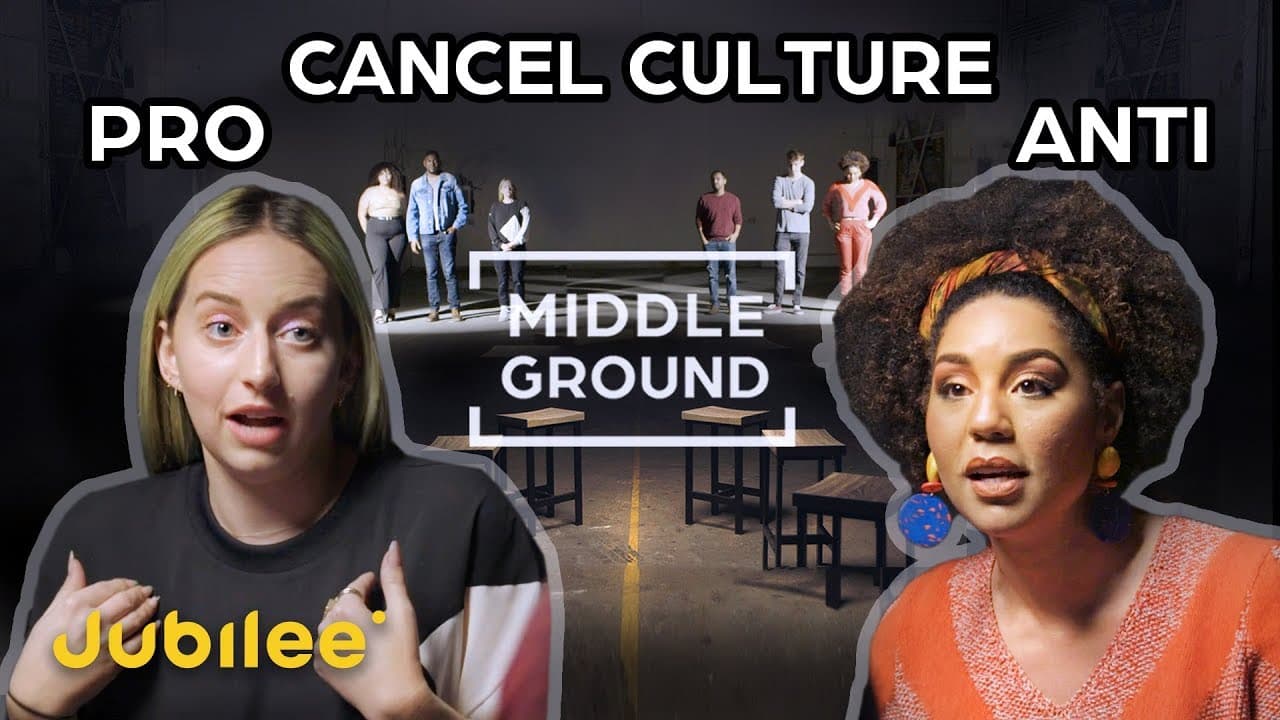
Should We Cancel Celebrities for Their Crimes? | Middle Ground
TL;DR
Cancel culture is a divisive topic, with some supporting it as a means of holding people accountable, while others believe it can go too far, infringing on individual rights and lacking due process.
Transcript
- What's up guys? This idea started at the office when I was talking about Kanye. I love him, and you hate Kanye, so we were like, "We should do a cancel culture Middle Ground." - Yeah, we thought it was really important to bring other topics like pop culture to Middle Ground. So let us know in the comments below what you want us to talk about. - A... Read More
Key Insights
- 🙈 Cancel culture originated from a desire for change and social justice, but it can be prone to excess and can ignore due process.
- 👨⚖️ The justice system is flawed, and cancel culture emerged as a response to its failures. However, it is important to recognize the need for a just legal system and advocate for necessary reforms.
- 🤗 Cancel culture and activism go hand-in-hand, as digital platforms allow for mobilization and quick responses to societal issues.
- 🖐️ Individual choice plays a significant role in cancel culture, but it requires careful research and moral decision-making.
- 🗯️ Companies have the right to dissociate from individuals, but this decision should be thoughtful and not driven solely by public opinion.
- 👻 Cancel culture can be a tool for accountability, but it should also be compassionate and allow for growth and redemption.
- ⛔ Cancel culture has its limits, and extreme consequences, such as complete erasure of someone's career, may not always be justified.
Install to Summarize YouTube Videos and Get Transcripts
Explore YouTube Video Summarizer or Get YouTube Transcript Extractor
Questions & Answers
Q: Is cancel culture a net positive or negative phenomenon?
Cancel culture can have positive aspects, such as holding people accountable and giving voice to marginalized groups. However, it can also be problematic when it leads to online bullying and lacks due process.
Q: Should individuals have the power to boycott or cancel someone?
Yes, individuals have the right to make their own decisions about supporting or not supporting someone based on their personal morals and values. However, this power should not be used to infringe on others' rights or to incite harassment.
Q: Should companies play a role in the cancellation process?
Companies have the right to decide whether they want to associate with someone or sell their products. However, this decision should be based on careful consideration and not simply a knee-jerk reaction to public opinion.
Q: How does cancel culture intersect with the justice system?
Cancel culture often arises when the justice system fails to hold people accountable for their actions. While canceling someone may provide a sense of justice, it's essential to recognize the importance of the legal system and the need for fair trials and due process.
Key Insights:
- Cancel culture originated from a desire for change and social justice, but it can be prone to excess and can ignore due process.
- The justice system is flawed, and cancel culture emerged as a response to its failures. However, it is important to recognize the need for a just legal system and advocate for necessary reforms.
- Cancel culture and activism go hand-in-hand, as digital platforms allow for mobilization and quick responses to societal issues.
- Individual choice plays a significant role in cancel culture, but it requires careful research and moral decision-making.
- Companies have the right to dissociate from individuals, but this decision should be thoughtful and not driven solely by public opinion.
- Cancel culture can be a tool for accountability, but it should also be compassionate and allow for growth and redemption.
- Cancel culture has its limits, and extreme consequences, such as complete erasure of someone's career, may not always be justified.
- The debate surrounding cancel culture is ongoing, and there are diverse opinions on the subject.
Summary & Key Takeaways
-
The participants in the video discuss their views on cancel culture, with some supporting it and others expressing concerns about its effectiveness and potential for abuse.
-
Questions arise about the power of individuals to make decisions about boycotting or canceling someone, and whether companies should play a role in this process.
-
The group debates the role of the justice system, acknowledging its imperfections but also emphasizing the importance of due process and fairness.
Read in Other Languages (beta)
Share This Summary 📚
Summarize YouTube Videos and Get Video Transcripts with 1-Click
Try YouTube Summary with ChatGPT & Claude or YouTube Transcript Generator
Explore More Summaries from Jubilee 📚
Summarize YouTube Videos and Get Video Transcripts with 1-Click
Try YouTube Summary with ChatGPT & Claude or YouTube Transcript Generator