How to Make a Daily Smoothie for Healthy Aging
TL;DR
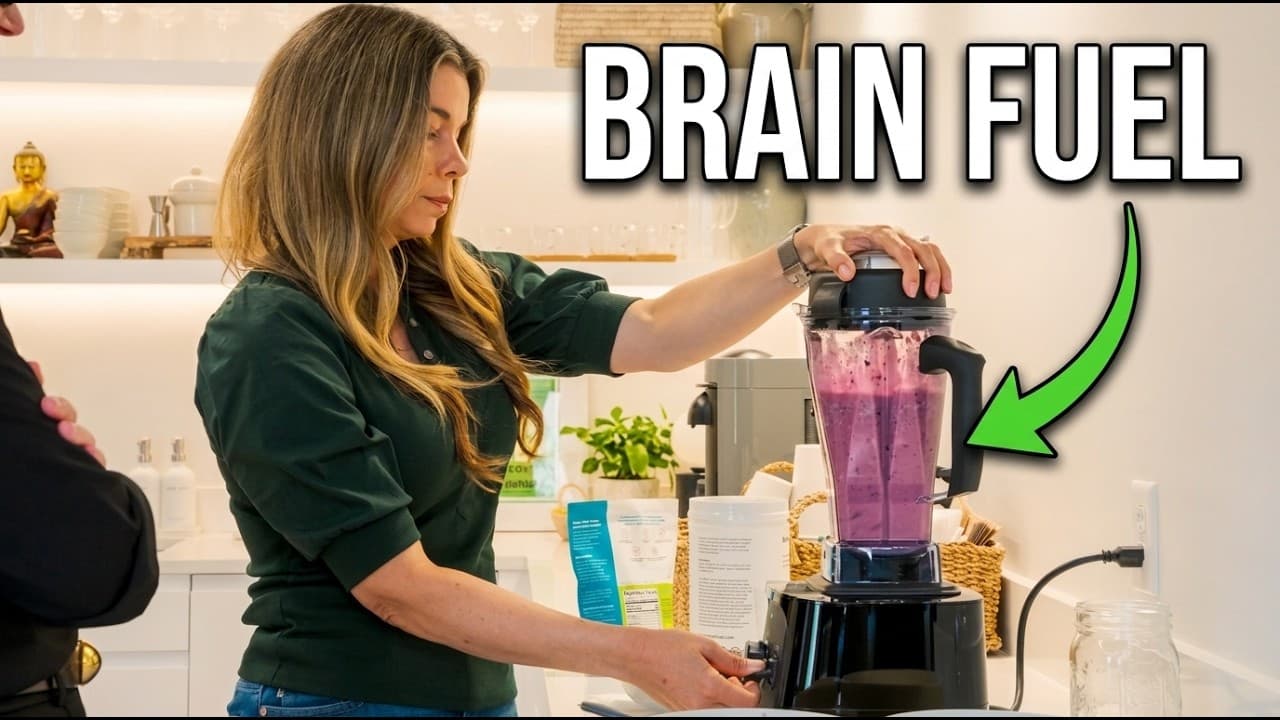
Blend kale, frozen blueberries, and half an avocado to combine vegetables, polyphenols, and healthy fat in one convenient meal. Skip banana because its polyphenol oxidase can reduce the blueberry polyphenols available, while avocado provides creaminess and can increase absorption of lutein and other carotenoids from kale by fourfold.
Transcript
So, Dr. Patrick, you are about to teach us how you make the smoothie that you have every day. And for those of you that are listening, I'm just going to tell you, I see kale, I see blueberry, I see avocado, I see protein, and I see something I can't pronounce. Okay, it's a beta glucan powder made from barley. Before we get into the smoothie I make ... Read More
Key Insights
- Lifestyle is estimated to account for about 80% of how long and how well people live, while genetics accounts for roughly 20% to 25%. The discussion therefore treats everyday diet and behavior as major influences on life expectancy and healthy aging.
- Five healthy lifestyle factors were associated with 14 additional years of life expectancy for women and 12 additional years for men beginning at age 50. They included a healthy eating pattern, no smoking, regular exercise, limited alcohol consumption, and a healthy BMI.
- A healthy eating pattern includes four to five daily servings of fruits and vegetables. One cup of leafy greens or about half a cup of fruit counts as a serving, making a smoothie an efficient way to consume several servings at once.
- Kale is a source of lutein, magnesium, calcium, and vitamin K. Lutein is presented as supporting protection against macular degeneration and benefiting the brain, including cognitive processing, cognitive speed, and fluid intelligence later in life.
- Blueberries contain polyphenols called anthocyanins. Randomized, placebo-controlled studies discussed in the interview found that one cup per day improved cognition in young adults, older adults, and adults with mild cognitive decline.
- Bananas contain polyphenol oxidase, an enzyme that breaks down polyphenols. Studies described in the discussion found that combining bananas with blueberries substantially reduced the polyphenols obtained from the berries, even though bananas remain useful sources of potassium and pre-run fuel.
- Avocado provides the creamy texture that banana would otherwise add without reducing blueberry polyphenols. Its monounsaturated fat also increased the bioavailability of lutein and zeaxanthin from kale, as well as beta carotene from carrots, by fourfold in the cited research.
- Protein powder is an optional addition for days when meals may be skipped or total protein intake may fall short. The stated daily protein target is 1.2 to 1.6 grams per kilogram of body weight, and one scoop of the featured powder supplies 23 grams.
Install to Summarize YouTube Videos and Get Transcripts
Explore YouTube Video Summarizer or Get YouTube Transcript Extractor
Questions & Answers
Q: How do you make a daily smoothie for healthy aging?
Use approximately three cups of kale, two and a half cups of frozen blueberries, and half an avocado as the core ingredients. The kale and blueberries provide several servings of vegetables and fruit, while the avocado creates a creamy texture and supports carotenoid absorption. Whey protein and barley-derived beta glucan powder can be included as optional additions.
Q: Why should you avoid mixing bananas with blueberries?
Bananas contain an enzyme called polyphenol oxidase, which breaks down polyphenols. The studies described in the discussion found that adding banana to blueberries substantially lowered the amount of blueberry polyphenols obtained. Bananas still provide potassium and can serve as pre-run fuel, but they are excluded from this particular smoothie to preserve the blueberries' polyphenols.
Q: Why add avocado to a kale and blueberry smoothie?
Avocado replaces the creamy texture normally supplied by banana without introducing banana's polyphenol oxidase. Its monounsaturated fat also improves the bioavailability of carotenoids. Research cited in the discussion found that avocado increased absorption of lutein and zeaxanthin from kale, and beta carotene from carrots, by fourfold.
Q: How many servings of fruits and vegetables are recommended?
The healthy eating pattern described calls for four to five servings of fruits and vegetables each day. One cup of leafy greens counts as a vegetable serving, while about half a cup of fruit counts as a fruit serving. A smoothie is presented as an efficient way to consume multiple servings, including around three cups of kale.
Q: What are the reported cognitive benefits of blueberries?
Blueberries are rich in polyphenols, including a specific type called anthocyanins. According to the randomized, placebo-controlled studies discussed, consuming one cup of blueberries per day improved cognition. The reported results applied to young adults, older adults, and adults with mild cognitive decline, giving multiple age groups a reason to include blueberries regularly.
Q: What nutrients and benefits does kale provide?
Kale provides lutein, magnesium, calcium, vitamin K, and other micronutrients that must be obtained through diet. Lutein is described as helping protect the eyes from macular degeneration while also supporting the brain. The cited benefits include improved cognitive processing, cognitive speed, and fluid intelligence, particularly as people grow older.
Q: What five lifestyle factors were linked to longer life?
The five factors were following a healthy eating pattern, not smoking, completing three and a half hours of moderate or vigorous exercise per week, avoiding excess alcohol, and maintaining a healthy BMI. Women consumed fewer than one alcoholic drink per day, while men consumed about one drink per day or fewer in the described pattern.
Q: When should protein powder be added to the smoothie?
Protein powder is optional and is particularly useful on busy days when a meal may be skipped or daily protein intake may otherwise be insufficient. The protein target stated in the discussion is 1.2 to 1.6 grams per kilogram of body weight per day. One scoop of the featured whey protein powder contains 23 grams of protein.
Summary & Key Takeaways
-
The smoothie is designed as an efficient way to consume several daily servings of fruits and vegetables. Its core ingredients are roughly three cups of kale, two and a half cups of frozen blueberries, and half an avocado. Optional additions include whey protein and barley-derived beta glucan powder.
-
Kale supplies lutein, magnesium, calcium, and vitamin K, while blueberries supply polyphenols called anthocyanins. The discussion cites placebo-controlled studies in which one cup of blueberries per day improved cognition across young adults, older adults, and adults experiencing mild cognitive decline. Frozen blueberries also keep the drink cold.
-
Banana is excluded because it contains polyphenol oxidase, an enzyme that breaks down polyphenols and can reduce the benefits obtained from blueberries. Avocado replaces banana as the source of creaminess, and its monounsaturated fat can increase absorption of lutein, zeaxanthin, and other carotenoids from vegetables by fourfold.
Read in Other Languages (beta)
Share This Summary 📚
Summarize YouTube Videos and Get Video Transcripts with 1-Click
Try YouTube Summary with ChatGPT & Claude or YouTube Transcript Generator
Explore More Summaries from FoundMyFitness Clips 📚





Summarize YouTube Videos and Get Video Transcripts with 1-Click
Try YouTube Summary with ChatGPT & Claude or YouTube Transcript Generator