How to Make Supercritical CO2 Extraction with Dry Ice
TL;DR
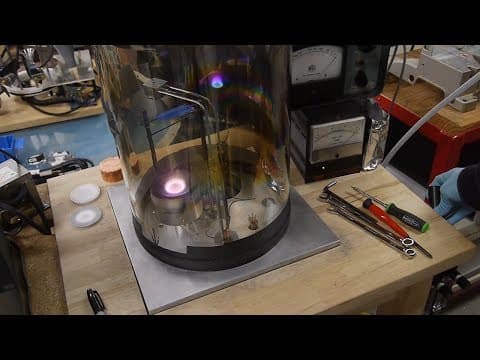
To create a supercritical CO2 extraction device using dry ice, build a chamber from materials like acrylic, but be aware it limits extraction time due to CO2 absorption. The process yields a concentrated extract, typically around 1-5%, similar to commercial methods, but using stainless steel would improve pressure and temperature capacity.
Transcript
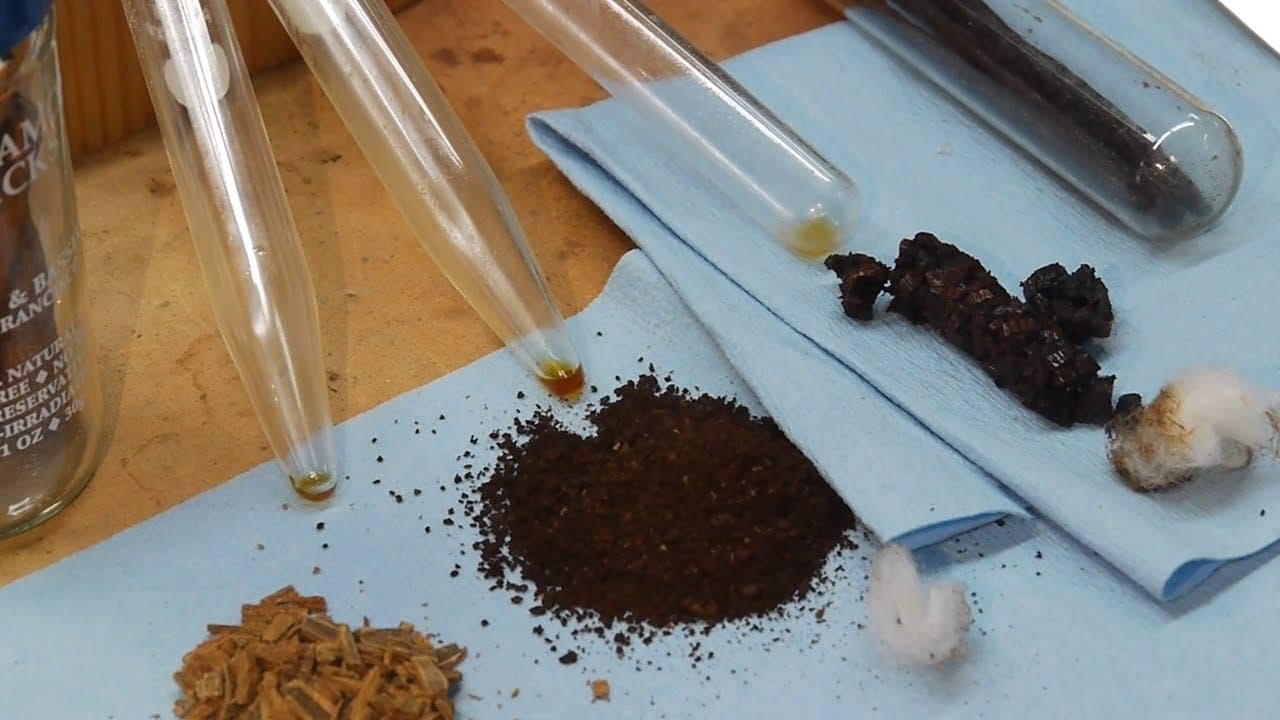
hey everyone i've done some work with supercritical co2 extractions before but this time i wanted to build a device that didn't require having a tank of liquid co2 which is something not a lot of people have and also i wanted to try some different different ingredients so i tried cinnamon sticks ground up ground coffee and chopped up vanilla beans ... Read More
Key Insights
- 🫘 Supercritical CO2 extraction techniques for vanilla beans typically yield around 5 percent extract, similar to the homemade device.
- 🍉 Acrylic, while transparent, is not suitable for long-term CO2 extraction as it absorbs CO2.
- 🥶 The homemade device utilized dry ice as a readily available source of CO2.
- 🍰 The device required a short extraction period to avoid CO2 penetration into the plastic chamber.
- 😘 The overall yield of the extraction was low, limiting the applications and quantities of the extract.
- 👻 Stainless steel would be a more suitable material for the extraction chamber to allow for higher pressure and temperature.
- ❓ The extraction device could be used for various ingredients, but the yield would still be concentrated.
Install to Summarize YouTube Videos and Get Transcripts
Explore YouTube Video Summarizer or Get YouTube Transcript Extractor
Questions & Answers
Q: How did the creator build the extraction device?
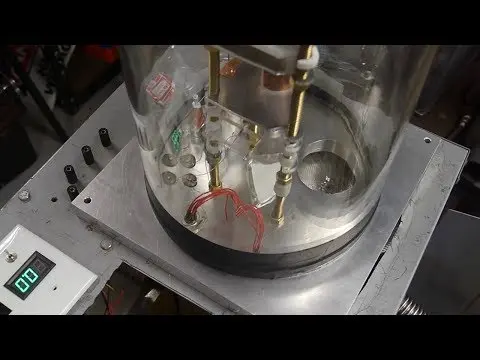
The device was built by machining aluminum into end plates, carving a gland for an o-ring, and tapping a center hole for a pipe thread. Acrylic was used as the extraction chamber.
Q: Why did the creator choose acrylic as the extraction chamber material?
Acrylic was chosen for its transparency, allowing the user to observe the extraction process. However, CO2 easily penetrates acrylic, limiting the device's long-term use.
Q: What was the maximum extract yield achieved in the extraction?
Even with optimal conditions of lower temperatures and pressures, the maximum extract yield from the vanilla beans was around 7 percent. With the homemade device, the yield would be closer to 1 or 2 percent.
Q: What were the limitations of the homemade device?
The device's limitations include the need for a higher-pressure chamber made of stainless steel and a larger chamber to increase overall yield, as the current device only extracts small quantities.
Summary & Key Takeaways
-
The creator built a device for supercritical CO2 extraction of vanilla beans using a homemade extraction chamber made of acrylic and aluminum.
-
They used dry ice as a source of CO2 and conducted short extraction periods to avoid CO2 penetration into the plastic chamber.
-
The device yielded a concentrated extract, comparable to commercial techniques, but the overall yield is low.
Read in Other Languages (beta)
Share This Summary 📚
Summarize YouTube Videos and Get Video Transcripts with 1-Click
Try YouTube Summary with ChatGPT & Claude or YouTube Transcript Generator
Explore More Summaries from Applied Science 📚


Summarize YouTube Videos and Get Video Transcripts with 1-Click
Try YouTube Summary with ChatGPT & Claude or YouTube Transcript Generator