How will Trump handle Taiwan after Xi call?
TL;DR
Trump agrees to visit Beijing in April and the Taiwan issue remains a key focus in USChina talks. The Asia Trade details the market and geopolitical dynamics, including potential AI and tech competition, currency moves, and the broader impact on policy and trade relations. The conversation highlights the delicate balance between diplomacy and economic leverage.
Transcript
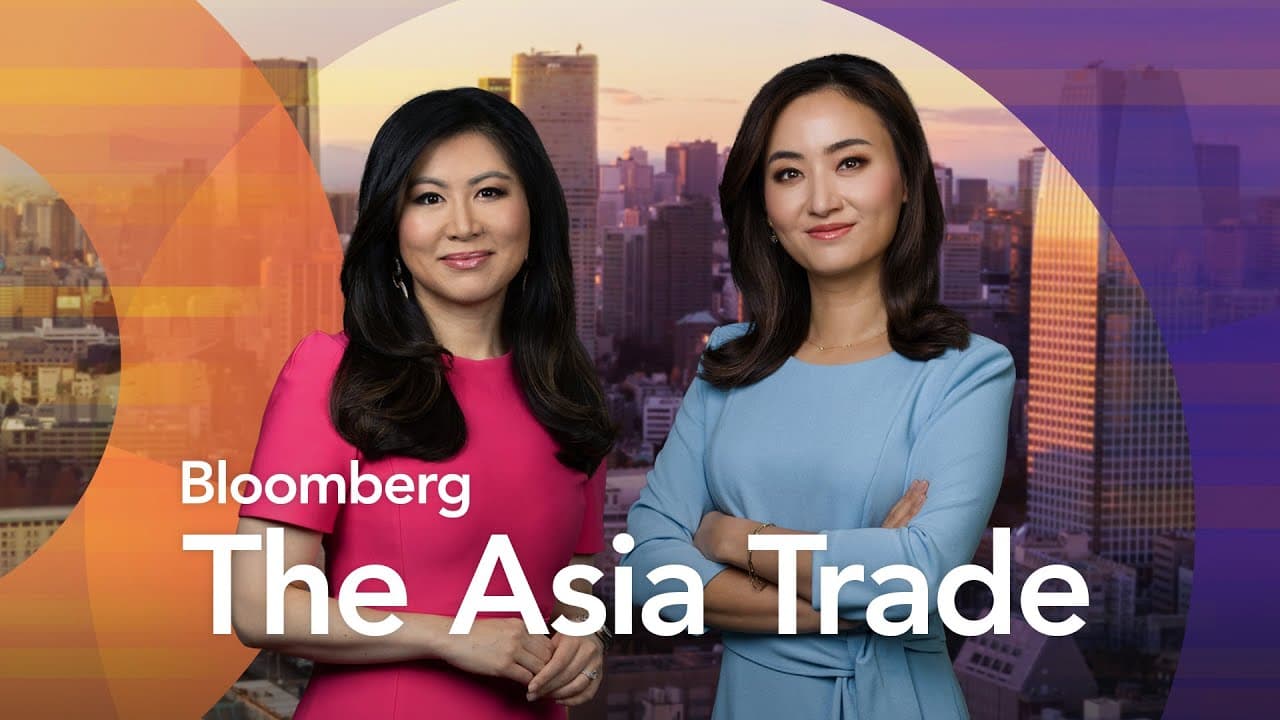
THIS IS THE ASIA TRADE. I'M SHERY AHN IN TOKYO. I'M AVERILL HUNG IN SINGAPORE. THE TOP STORIES THIS HOUR. PRESIDENT TRUMP SAYS HE WILL VISIT BEIJING IN APRIL AFTER A PHONE CALL WITH XI JINPING. TRADE AND THE AGENDA WITH THE CHINESE LEADER FOCUSING ON TAIWAN. ASIAN STOCKS SET TO ADVANCE US MORE FED VOICES BAG A DECEMBER RATE CUT. TEXTURES LEADING TH... Read More
Key Insights
- Trump agrees to visit Beijing in April, signaling a thaw in some aspects of USChina diplomacy
- Taiwan is a central focus of the TrumpXi conversation, reflecting its strategic importance to both sides
- Markets are pricing in a potential December rate cut, influencing currencies and Treasuries
- AI competition and chip strategy are shaping tensions between major tech players and China
- There is ongoing scrutiny of JapanChina tensions and their effect on travel and retail in Asia
- U.S. arms sales to Taiwan show a policy nuance and potential shift under Trump
- China views Taiwan as integral to its postwar international order and may tie concessions to broader talks
- ChinaJapan tensions fuel nationalist sentiment and domestic policy considerations in Asia
- More videos from this channel:
- More from this channel: Bloomberg Television
Install to Summarize YouTube Videos and Get Transcripts
Explore YouTube Video Summarizer or Get YouTube Transcript Extractor
Questions & Answers
Q: What is the significance of Xi and Trump speaking about Taiwan in this program?
The program presents the Taiwan discussion as a central pillar in USChina diplomacy, with Xi emphasizing reunification as a core element of the postwar international order and Trump signaling engagement through a planned visit to Beijing. The dialogue signals that Taiwan will likely remain a focal point in future negotiations, influencing strategic calculations, military postures, and economic concessions.
Q: What does Trump’s announced visit to Beijing imply for U.S.-China relations?
Trump’s planned April visit to Beijing is portrayed as a potential bridge for dialogue, easing tensions, and possibly advancing trade and tech discussions. It could create space for concrete agreements, particularly on agriculture and industrial policy, while also testing whether Beijing will link concessions on Taiwan or other security issues to broader economic negotiations.
Q: How does the segment describe Taiwan’s role in the U.S. alliance system?
The segment frames Taiwan as a critical node in U.S. national security and technology supply chains within the Indo-Pacific. It emphasizes that any shifts in U.S. policy or Chinese posture toward Taiwan could affect security commitments with allies and influence the global technology landscape, especially regarding chip sales and military sales.
Q: What does the show say about AI competition in the context of U.S.-China relations?
The program notes that AI leadership and chip strategy are central to the rivalry, with Alphabet leading hyperscalers and China seeking to challenge Nvidia and OpenAI through internal efforts. It suggests that Google could compete with Nvidia by offering its processing units to customers, linking AI capability to broader geopolitical and economic leverage.
Q: How are market expectations influencing the narrative around Fed policy in the Asia scene?
Market expectations for a potential December rate cut are cited as a driver of risk appetite and asset moves, including U.S. Treasuries and equity performance in Asia. The conversation ties these expectations to the broader risk environment, including tech earnings, policy signals, and geopolitical developments that could shift investor sentiment.
Q: What are the implications of Japan-China tensions mentioned in the transcript?
The transcript notes ongoing Japan-China tensions, including flight disruptions and travel bans, which impact airlines and Japanese retailers. It also highlights nationalist undercurrents and the potential for defense budget increases, suggesting that geopolitics in the region could shape economic conditions, travel patterns, and corporate profitability in Asia.
Q: What is described as China’s view of Taiwan in relation to the international order?
China’s stance, as described, frames Taiwan reunification as essential to the postwar international order, indicating that Beijing sees Taiwan as nonnegotiable within its broader geopolitical strategy. The transcript suggests that this stance will complicate any future U.S. and allied concessions or arrangements that might touch on Taiwan policy.
Q: How does the program portray Trump’s approach to negotiations and policy with China?
The program characterizes Trump as transactional in many aspects, including national security and economic dealings. It raises the possibility that he might seek strategic trade concessions or agricultural purchases in exchange for policy actions, which could influence the balance between Taiwan policy, security commitments, and U.S. economic objectives in China.
Summary & Key Takeaways
-
The Asia Trade frames the Xi Trump call as a potential pivot in USChina ties, with Taiwan security and economic issues at the center. It notes Trump agreeing to visit Beijing in April, signaling diplomatic engagement. The segment also ties market moves to expectations of a December rate cut and tech sector dynamics.
-
The episode covers regional risks such as JapanChina tensions, flight disruptions, and consumer behavior, linking diplomatic signals to corporate earnings, Asian stock movements, and AI competition among Alphabet, Nvidia, and Microsoft.
-
The broader narrative suggests that Taiwan remains a strategic bargaining point in USChina relations, with potential implications for technology supply chains, defense commitments, and regional alliances, all set against the background of volatile market expectations and policy signals.
Read in Other Languages (beta)
Share This Summary 📚
Summarize YouTube Videos and Get Video Transcripts with 1-Click
Try YouTube Summary with ChatGPT & Claude or YouTube Transcript Generator
Explore More Summaries from Bloomberg Television 📚

Summarize YouTube Videos and Get Video Transcripts with 1-Click
Try YouTube Summary with ChatGPT & Claude or YouTube Transcript Generator