Self-cleaning glass windows
TL;DR
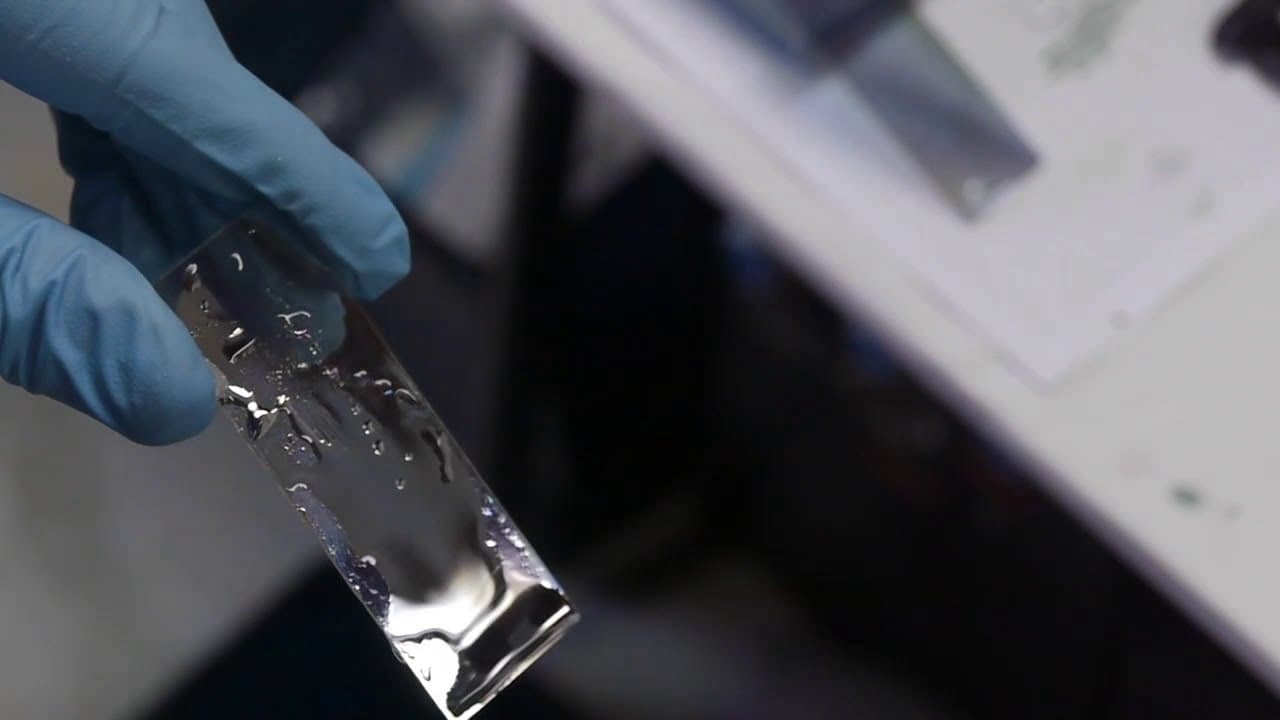
Self-cleaning glass uses a coating of titanium dioxide that reacts with sunlight to burn away dirt particles, making the glass hydrophilic and preventing water from beading up on the surface.
Transcript
hey everyone imagine I told you there was a technology that allowed Windows to clean themselves science fiction right no actually science fact this technology has been available commercially for over a decade and I thought I'd have a go at making some self-cleaning glass in my own shop so let me tell you about it if we look at an apparently clean m... Read More
Key Insights
- 💦 Even apparently clean surfaces have a small amount of grease or organic residue, making them hydrophobic and causing water to bead up.
- 😎 Self-cleaning glass uses a coating of titanium dioxide that reacts with sunlight to burn away dirt particles and make the glass hydrophilic.
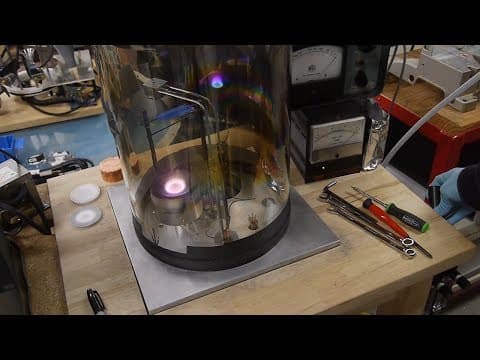
- 😎 Reactive sputtering is a method used to deposit titanium dioxide on glass, requiring careful control of oxygen concentration.
- 😎 Self-cleaning glass reduces the need for manual cleaning and makes dirt particles easy to wash away with water.
Install to Summarize YouTube Videos and Get Transcripts
Explore YouTube Video Summarizer or Get YouTube Transcript Extractor
Questions & Answers
Q: How does self-cleaning glass work?
Self-cleaning glass works by using a coating of titanium dioxide that reacts with sunlight to burn away dirt particles, making the glass hydrophilic and preventing water from beading up on the surface.
Q: What is the advantage of self-cleaning glass over regular glass?
The advantage of self-cleaning glass is that it reduces the need for manual cleaning. The coating of titanium dioxide makes the glass easy to clean, as dirt particles can be easily washed away by water.
Q: How is titanium dioxide deposited on glass?
Titanium dioxide can be deposited on glass using reactive sputtering. This process involves slamming argon molecules into a target material, breaking off bits of the target and depositing them on the glass substrate.
Q: Are there any environmental concerns with self-cleaning glass?
There have been some concerns about the environmental impact of self-cleaning glass, as it releases carbon dioxide when the dirt particles are burned away. However, the quantity and significance of these emissions are still a subject of debate.
Summary & Key Takeaways
-
Even apparently clean surfaces have a small amount of grease or organic residue, making them hydrophobic and causing water to bead up rather than sheet across the surface.
-
Self-cleaning glass uses a coating of titanium dioxide that is hydrophilic and reacts with sunlight to burn away dirt particles, making the glass easy to clean.
-
The process of depositing titanium dioxide on glass can be done using reactive sputtering, which requires careful control of oxygen concentration.
Read in Other Languages (beta)
Share This Summary 📚
Summarize YouTube Videos and Get Video Transcripts with 1-Click
Try YouTube Summary with ChatGPT & Claude or YouTube Transcript Generator
Explore More Summaries from Applied Science 📚



Summarize YouTube Videos and Get Video Transcripts with 1-Click
Try YouTube Summary with ChatGPT & Claude or YouTube Transcript Generator