How AI Transforms Life Sciences Research
TL;DR
AI is revolutionizing life sciences by enabling advanced research capabilities in biology and medicine. It offers tools for genomics and protein understanding, which accelerate scientific discovery and overcome research bottlenecks. By integrating AI with workflows, researchers can enhance productivity and focus on meaningful insights, paving the way for breakthroughs in drug discovery and personalized medicine.
Transcript
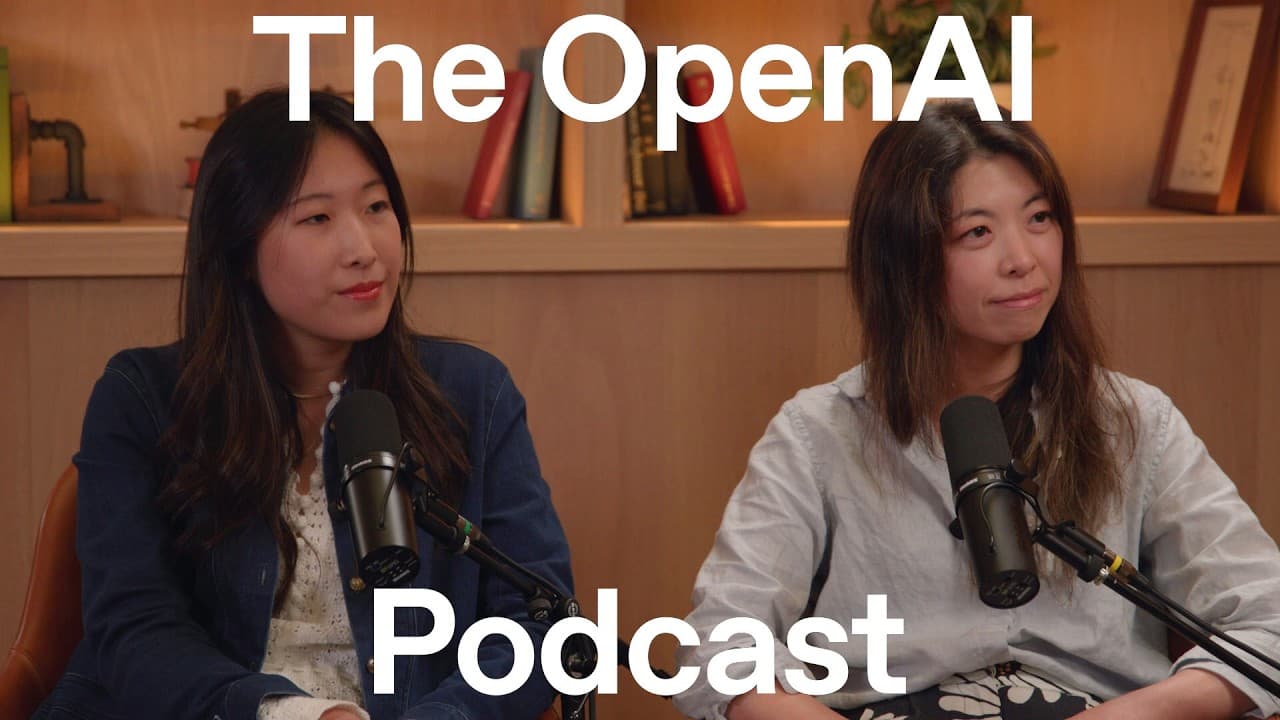
Andrew Mayne: Hello, I'm Andrew Mayne, and this is the OpenAI Podcast. On today's episode, we're talking with Andrew Mayne: research lead Joy Jiao and product lead Yunyun Wang about OpenAI for Life Sciences. We'll explore Andrew Mayne: what new models are making possible in biology and medicine and what it takes to deploy the most advanced capabili... Read More
Key Insights
- AI is enabling new levels of discovery in biology and medicine by providing expert-level knowledge to more people.
- OpenAI's life sciences model series focuses on genomics and protein understanding, addressing early discovery use cases.
- AI models can now assist in complex scientific workflows, offering repeatable, templatized processes for research tasks.
- The integration of AI with laboratory automation can significantly accelerate scientific processes and reduce human bottlenecks.
- AI models are being used to design experiments and have shown potential in areas like drug repurposing and personalized medicine.
- Responsible deployment and differentiated access are crucial to ensure AI models are used safely and effectively in life sciences.
- AI can potentially transform the pace of scientific research by providing more hands and accelerating data analysis and experiment design.
- Future advancements in AI could lead to autonomous research institutes that continuously work on curing diseases and developing new treatments.
Install to Summarize YouTube Videos and Get Transcripts
Explore YouTube Video Summarizer or Get YouTube Transcript Extractor
Questions & Answers
Q: How is AI transforming life sciences research?
AI is revolutionizing life sciences by providing advanced research capabilities in genomics and protein understanding, which accelerate scientific discovery. It integrates with workflows to enhance productivity, reduce human bottlenecks, and focus on meaningful insights. This transformation enables breakthroughs in drug discovery and personalized medicine, making expert-level knowledge accessible to more researchers.
Q: What are the key features of OpenAI's life sciences model series?
OpenAI's life sciences model series focuses on genomics and protein understanding, addressing early discovery use cases. It offers repeatable, templatized workflows for complex scientific tasks, enabling researchers to overcome bottlenecks and accelerate discovery. The models provide expert-level knowledge and integrate with laboratory automation, enhancing productivity and focusing on meaningful insights.
Q: How does AI integration benefit scientific workflows?
AI integration into scientific workflows benefits researchers by reducing human bottlenecks, enhancing productivity, and focusing on meaningful insights. It offers repeatable, templatized processes for complex tasks, enabling researchers to accelerate discovery. AI models can assist in experiment design, data analysis, and personalized medicine, transforming the pace and efficiency of scientific research.
Q: What is the role of responsible deployment in AI for life sciences?
Responsible deployment is crucial to ensure AI models are used safely and effectively in life sciences. It involves differentiated access to models, ensuring that only legitimate researchers and institutions can utilize advanced capabilities. This approach mitigates risks associated with dual-use technologies and ensures AI models are used for beneficial scientific research and discovery.
Q: How can AI models assist in drug discovery?
AI models assist in drug discovery by providing tools for genomics and protein understanding, enabling researchers to accelerate the discovery process. They can design experiments, analyze data, and offer insights into drug repurposing and personalized medicine. By integrating AI with laboratory automation, researchers can significantly reduce bottlenecks and enhance productivity, paving the way for new treatments and cures.
Q: What are the potential future advancements of AI in life sciences?
Future advancements of AI in life sciences could lead to autonomous research institutes continuously working on curing diseases and developing new treatments. AI could transform the pace of scientific research by providing more hands, accelerating data analysis, and designing experiments. This could address rare diseases, enhance personalized medicine, and offer hope for breakthroughs in medical countermeasures.
Q: How does AI address research bottlenecks in life sciences?
AI addresses research bottlenecks in life sciences by providing advanced tools for genomics and protein understanding, enabling researchers to accelerate discovery processes. It integrates with workflows to enhance productivity, reduce human bottlenecks, and focus on meaningful insights. AI models offer repeatable, templatized processes for complex tasks, transforming the pace and efficiency of scientific research.
Q: What is the impact of AI on personalized medicine?
AI impacts personalized medicine by providing tools for genomics and protein understanding, enabling researchers to accelerate discovery processes and develop tailored treatments. AI models assist in drug repurposing, data analysis, and experiment design, offering insights into personalized treatment options. By integrating AI with laboratory automation, researchers can enhance productivity and focus on meaningful insights, paving the way for breakthroughs in personalized medicine.
Summary & Key Takeaways
-
AI is transforming the life sciences by enabling advanced research capabilities in biology and medicine. The integration of AI models into scientific workflows helps overcome research bottlenecks and accelerates discovery processes. These models focus on genomics and protein understanding, providing tools for early scientific discovery and personalized medicine.
-
OpenAI's life sciences model series offers repeatable workflows and expert-level knowledge, making advanced research capabilities accessible to a broader audience. By integrating AI with laboratory automation, researchers can significantly reduce human bottlenecks, enhance productivity, and focus on meaningful insights, paving the way for breakthroughs in drug discovery.
-
Responsible deployment and differentiated access are crucial for safely using AI models in life sciences. AI's potential to transform scientific research includes autonomous research institutes that continuously work on curing diseases and developing new treatments, offering hope for addressing rare diseases and personalized medicine.
Read in Other Languages (beta)
Share This Summary 📚
Summarize YouTube Videos and Get Video Transcripts with 1-Click
Try YouTube Summary with ChatGPT & Claude or YouTube Transcript Generator
Explore More Summaries from OpenAI 📚




Summarize YouTube Videos and Get Video Transcripts with 1-Click
Try YouTube Summary with ChatGPT & Claude or YouTube Transcript Generator