How to Create Engaging Music Videos with Sora
TL;DR
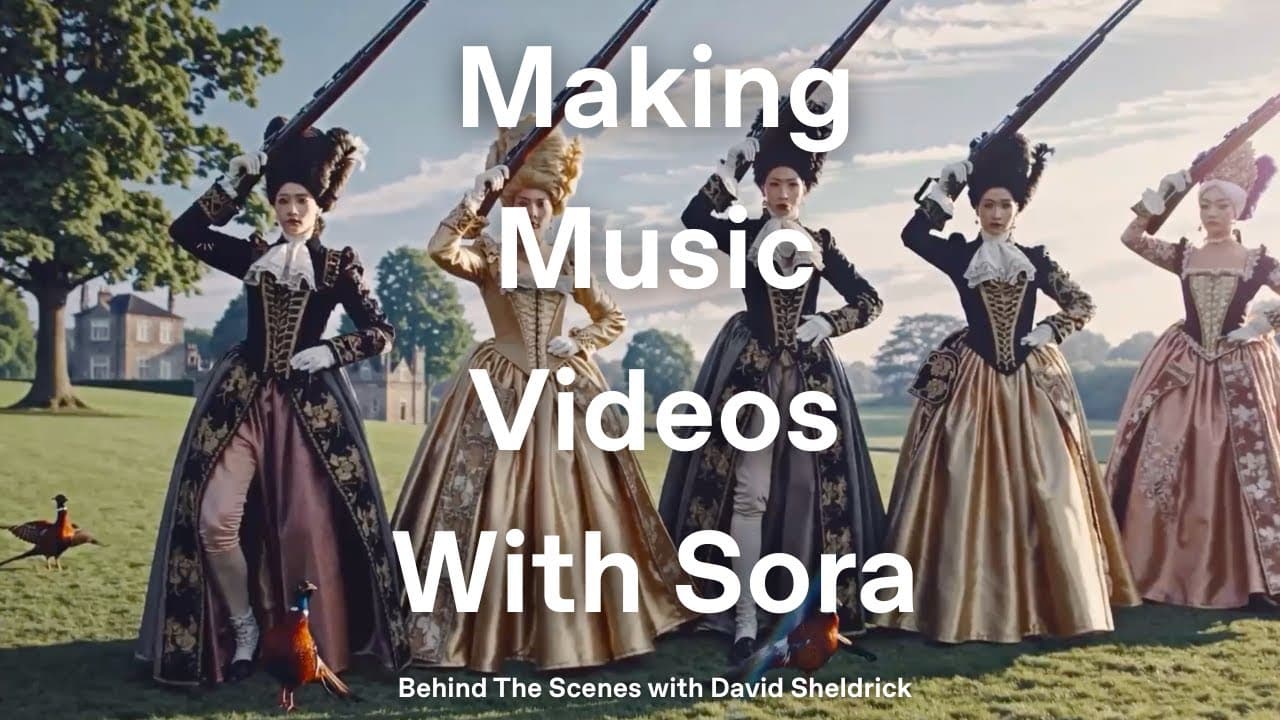
To create engaging music videos with Sora, start by brainstorming creative concepts and themes for at least a half day. Use the Sora platform for inspiration and rendering, while incorporating a structured filming plan. Finally, meticulously assemble the rendered footage with music to produce a dynamic final product, which may take several hours to complete.
Transcript
hi my name is David Sheldrick and today I'm going to show you how I make videos like this Oh my god I'm just playing with them now Yeah I used to do DP and direct a lot of music videos before COVID We followed like a kind of a a bit of a format to make sure we could film the whole thing in one day And then after we've sort of shot one location in o... Read More
Key Insights
- 🌠 David emphasizes creative exploration before beginning the shooting process, ensuring diverse and fresh ideas are incorporated.
- 🎮 He leverages platforms like Sora to gather inspiration and improve his prompting techniques for video rendering.
- 😑 The pre-defined styles help in maintaining a cohesive visual aesthetic throughout the video production.
- 😒 David’s use of AI tools, such as ChatGPT, aids in crafting compelling narratives and visuals tailored to specific themes.
- ⌛ Efficient time management is crucial; he allocates significant hours for both rendering and assembling the video.
- 🫵 By including various creative elements, like dance sequences, David aims to enhance the viewer's engagement with the video content.
- 🎼 The editing process is iterative, involving trial and error until he achieves a balance that aligns with the intended music and visuals.
Install to Summarize YouTube Videos and Get Transcripts
Explore YouTube Video Summarizer or Get YouTube Transcript Extractor
Questions & Answers
Q: What initial steps does David take before filming a video?
Before filming, David commits time to brainstorming creative ideas, exploring different styles, and utilizing resources like Sora's explore page. This allows him to gather inspiration and prompts, ensuring that the final product has a strong artistic foundation.
Q: How does David incorporate world-building into his videos?
David develops the video's world by deciding on overarching themes, such as time period and setting. He collaborates with AI tools, like ChatGPT, to enhance his prompts and create a cohesive aesthetic that encompasses the narrative and visual style he wishes to present.
Q: What is the "assembly" phase in David's video creation process?
The assembly phase involves organizing the rendered footage into a timeline. David refers to it as creating a "sausage," which is a basic linear structure. This guide allows him to visualize how different scenes connect and ensures that the pacing aligns well with the music.
Q: Why does David prefer using Artlist.io for music?
David believes Artlist.io offers higher quality stock music compared to commonly generated AI music. He values the auditory experience in his videos, and Artlist.io provides tracks that effectively enhance the emotional and dynamic elements of his visuals.
Summary & Key Takeaways
-
David Sheldrick discusses his transition from directing music videos to creating content with Sora, explaining the significance of structured filming locations.
-
He emphasizes the importance of creative brainstorming sessions where concepts and themes are explored through various styles and visuals that contribute to world-building.
-
The process also involves using audio tracks and meticulous assembly of rendered footage to produce a dynamic and engaging final product, often taking several hours to complete.
Read in Other Languages (beta)
Share This Summary 📚
Summarize YouTube Videos and Get Video Transcripts with 1-Click
Try YouTube Summary with ChatGPT & Claude or YouTube Transcript Generator
Explore More Summaries from OpenAI 📚


Summarize YouTube Videos and Get Video Transcripts with 1-Click
Try YouTube Summary with ChatGPT & Claude or YouTube Transcript Generator