How Does Masculinity Become Toxic or Healthy?
TL;DR
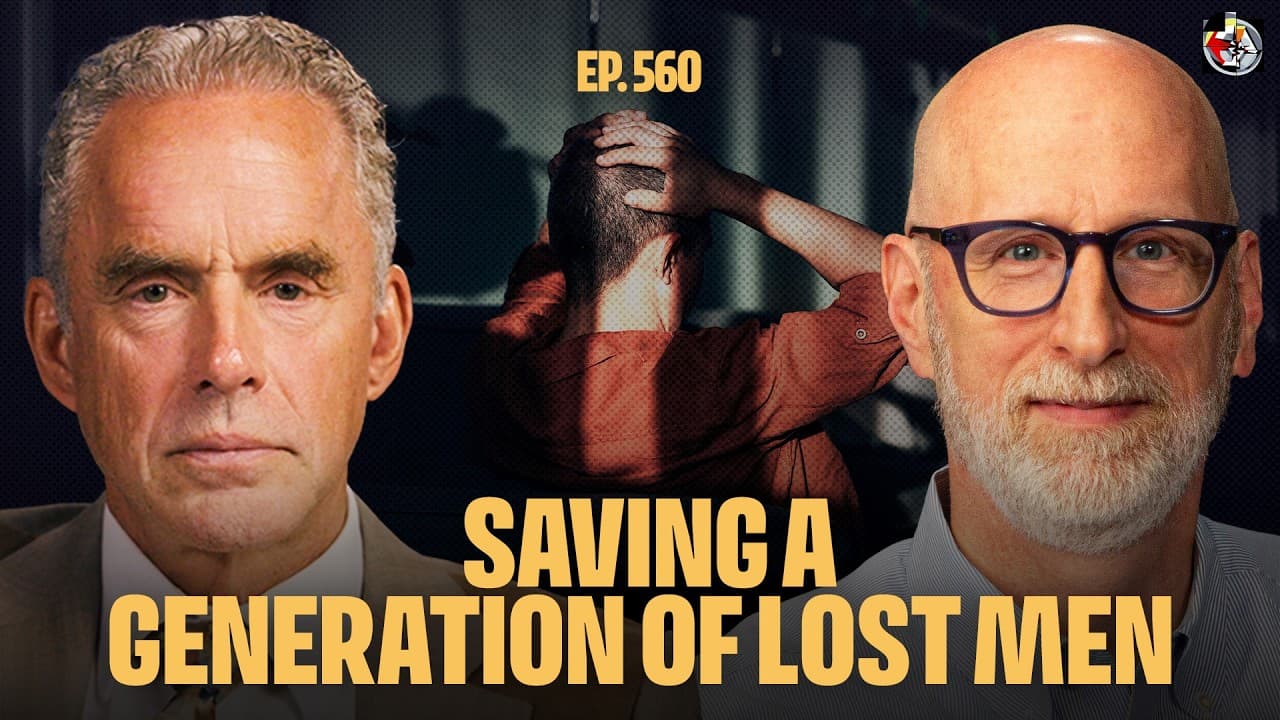
Masculinity becomes harmful when alienation, fatherlessness, and loss of purpose leave men without constructive guidance, while society treats their masculine aspirations as inherently problematic. Young men need empathy, credible mentors, structure, service, community, and a meaningful vision of adulthood that recognizes their struggles without defining them as the problem.
Transcript
I reached out to you for the podcast because I read an article you wrote in the New York Times recently entitled The Democrats $20 million man problem. The most positive article that has been published about me in the New York Times. Yeah. I really do feel like a lot of the things that are ripping America apart will begin to ease if we can deal wit... Read More
Key Insights
- Young male alienation is connected to fatherlessness, missing mentors, declining friendships, and a loss of purpose. These conditions can leave men wandering without direction and intensify despair, anxiety, hopelessness, suicide risk, and other forms of severe human suffering.
- The transition out of military service can remove a powerful source of daily purpose. French describes veterans who return from stressful but meaningful service and then struggle because civilian life no longer supplies the same direction, responsibility, belonging, or clearly defined mission.
- Constructive guidance works when it communicates both care and respect. French argues that Peterson affected young men by wanting them to succeed while offering sophisticated philosophical, religious, and scriptural reasoning rather than reducing their problems to shallow or patronizing self-help advice.
- Practical disciplines can help restore direction when they are connected to a meaningful worldview. Making a bed, intentionally serving others, and performing acts of kindness may appear simple, but French describes how these practices helped one former Marine reorganize his view of life.
- Treating traditional masculinity as inherently toxic can deepen alienation. French distinguishes telling young men that they have serious problems from telling them that they are the problem, because the second message condemns their identity, goals, dreams, and aspirations rather than inviting growth.
- Male distress is disproportionately visible among single men in the discussion of deaths of despair. French links this suffering to weakened community, limited connection, declining friendship, and the absence of belonging among men who have never married or who are divorced.
- Political dysfunction is partly downstream from personal and cultural disconnection. French argues that loneliness, alienation, and weak belonging within families, friendships, and communities can intensify national division, making the wellbeing of struggling young men a political concern as well as a moral one.
- A healthier vision of masculinity requires empathy, structure, community, mentorship, and meaningful expectations. The discussion also identifies intentional rites of passage and a compelling vision of adult life as ways to reach young men before demoralization or destructive influences fill the vacuum.
Install to Summarize YouTube Videos and Get Transcripts
Explore YouTube Video Summarizer or Get YouTube Transcript Extractor
Questions & Answers
Q: When does masculinity become toxic?
Masculinity becomes harmful when male distress is met with condemnation rather than constructive guidance, and when alienated men lack purpose, community, mentors, and meaningful expectations. The discussion rejects the idea that traditional masculinity is inherently toxic. It instead argues that young men need help directing masculine aspirations toward responsibility, service, kindness, disciplined action, and connection with other people.
Q: Why are many young men feeling alienated?
Young men can become alienated when they grow up without fathers or male role models, struggle at school, lack close friendships, and cannot find a meaningful direction for adulthood. French also describes a cultural message that treats their aspirations as inherently problematic. Combined with loneliness and weak community ties, this can produce despair, anxiety, hopelessness, and a profound lack of belonging.
Q: How can mentors help struggling young men?
Mentors can help by clearly communicating that they care about a young man's future and expect him to become capable, responsible, and useful. French emphasizes that guidance should treat men as adults rather than patronize them. Practical rules become more persuasive when mentors connect them to deeper philosophical, religious, or scriptural reasons that explain why responsibility, service, and disciplined action matter.
Q: Why can leaving the military cause a loss of purpose?
Military service can provide a powerful daily mission, clear responsibilities, close relationships, and a sense that one's actions matter, even when the experience is stressful, difficult, or frightening. After leaving, veterans may lose that structure and direction. French recounts a former Marine who struggled after service and found renewed orientation through basic disciplines, intentional kindness, service, and a changed worldview.
Q: Why is calling masculinity inherently toxic damaging?
Calling masculinity inherently toxic can tell struggling men that they themselves are the problem, rather than acknowledging that they have problems that can be addressed. French argues that this message can condemn their goals, dreams, and aspirations while offering no constructive path forward. Men may then gravitate toward voices that express care, recognize their suffering, and offer purpose or belonging.
Q: How are loneliness and political division connected?
French argues that political dysfunction can grow from a personal and cultural lack of belonging. People who feel disconnected from families, friends, and communities may experience greater alienation, despair, and anxiety, which can feed a more divided political culture. Addressing loneliness among young men is therefore presented as more than personal care. It is also a cultural, moral, spiritual, and political imperative.
Q: What practical steps can help men regain direction?
The discussion points to small disciplines such as making a bed, intentionally serving other people, and performing acts of kindness. These steps are most effective when they belong to a larger framework of responsibility, meaning, and purpose. Young men also need credible mentors, stronger friendships, community membership, intentional rites of passage, and a meaningful vision of what successful adult life can become.
Q: Why do alienated young men respond to strong online figures?
Alienated young men may respond to public figures who appear to care about them, acknowledge their struggles, and offer confidence, direction, structure, or belonging. The description notes the psychological appeal of figures such as Andrew Tate, while the conversation emphasizes the broader vacuum that makes such influence possible. Constructive alternatives must offer empathy and purpose without defining masculine identity as inherently wrong.
Summary & Key Takeaways
-
David French connects the crisis facing young men to fatherlessness, missing male role models, weakened friendships, and a loss of daily purpose. His concern comes from raising a son, mentoring younger soldiers during military service, and observing how disconnected men can drift toward despair, anxiety, hopelessness, and destructive political identities.
-
French argues that Jordan Peterson reached struggling men by combining personal concern with intellectually serious guidance. Practical actions such as making a bed, serving others, and accepting responsibility were connected to deeper philosophical, religious, and scriptural ideas. That combination gave men structure without patronizing them or dismissing their desire for meaning.
-
The discussion frames male alienation as a moral, cultural, spiritual, and political challenge rather than merely a campaign problem. Constructive responses should provide empathy, mentorship, community, intentional rites of passage, and meaningful expectations. Addressing loneliness and belonging may also reduce the broader social and political dysfunction dividing American communities.
Read in Other Languages (beta)
Share This Summary 📚
Summarize YouTube Videos and Get Video Transcripts with 1-Click
Try YouTube Summary with ChatGPT & Claude or YouTube Transcript Generator
Explore More Summaries from Jordan B Peterson 📚




Summarize YouTube Videos and Get Video Transcripts with 1-Click
Try YouTube Summary with ChatGPT & Claude or YouTube Transcript Generator