How Does SB 1047 Regulate Frontier AI Models?
TL;DR
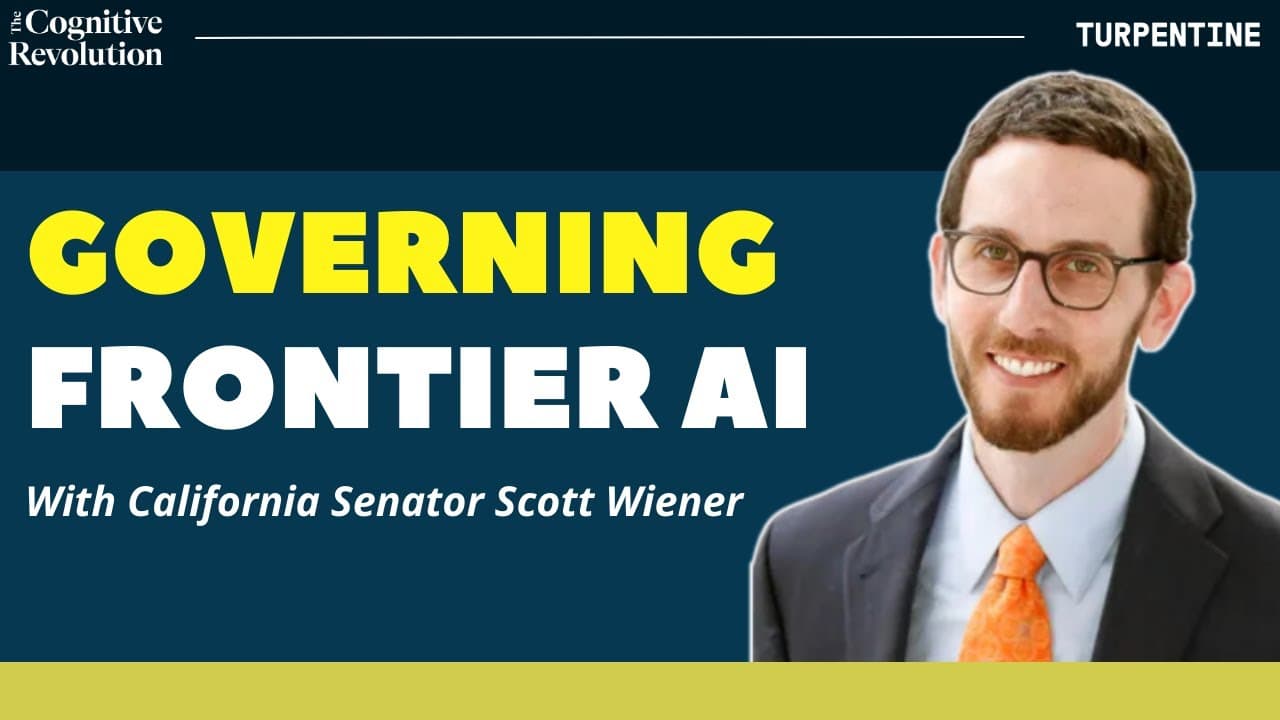
SB 1047 aims to regulate the development of advanced AI models by requiring safety testing and risk mitigation for models trained with significant computational power. The bill seeks to balance innovation with safety, focusing on models that could potentially cause catastrophic harm. It emphasizes a light-touch approach, encouraging developers to conduct thorough safety evaluations while avoiding overly burdensome regulations.
Transcript
hello and welcome to the cognitive Revolution where we interview Visionary researchers entrepreneurs and Builders working on the frontier of artificial intelligence each week we'll explore their revolutionary ideas and together we'll build a picture of how AI technology will transform work life and Society in the coming years I'm Nathan lens joined... Read More
Key Insights
- SB 1047 is designed to regulate advanced AI models by requiring safety testing and risk mitigation.
- The bill targets models trained with significant computational power, defined as 10 to the 26th flops.
- The goal is to minimize catastrophic risks without stifling innovation in AI development.
- Developers must certify their safety evaluations to the California Department of Technology.
- The bill does not impose criminal penalties for honest mistakes but includes penalties for intentional false reporting.
- Open source models are a particular focus, with ongoing discussions about how to balance transparency and safety.
- The bill has faced both support and opposition, with some large tech companies opposing it.
- Independent third-party testing is encouraged, though the specifics of implementation are still under discussion.
Install to Summarize YouTube Videos and Get Transcripts
Explore YouTube Video Summarizer or Get YouTube Transcript Extractor
Questions & Answers
Q: How does SB 1047 aim to regulate AI models?
SB 1047 requires developers of advanced AI models to conduct safety testing and risk mitigation for models trained with significant computational power. The bill focuses on preventing catastrophic harm by ensuring developers evaluate potential risks and report their findings to the California Department of Technology. It aims for a light-touch regulatory approach, balancing safety with innovation in AI development.
Q: What are the penalties for non-compliance with SB 1047?
The penalties for non-compliance with SB 1047 include potential lawsuits by the California Attorney General if developers fail to conduct proper safety testing or intentionally misreport their evaluations. While there are no criminal penalties for honest mistakes, intentional false reporting can lead to significant financial penalties, including punitive damages based on the company's size and net worth.
Q: How does SB 1047 address open source AI models?
SB 1047 includes provisions for open source AI models, with ongoing discussions about how to balance transparency and safety. The bill encourages independent third-party testing and aims to protect open source development while ensuring that models do not pose significant risks. Developers of open source models must still conduct safety evaluations and report their findings, though specific guidelines for open source are still being refined.
Q: What is the role of independent third-party testing in SB 1047?
Independent third-party testing is encouraged under SB 1047 to ensure thorough safety evaluations of advanced AI models. The bill suggests using third-party testing when appropriate, though the specifics of who qualifies as a third-party tester and what access they should have are still under discussion. The goal is to ensure effective safety evaluations without imposing overly burdensome requirements on developers.
Q: Why do some tech companies oppose SB 1047?
Some large tech companies oppose SB 1047 because they believe it could impose unnecessary burdens on AI development and innovation. While the bill aims for a light-touch regulatory approach, these companies are concerned about potential impacts on their operations and the competitive landscape. Despite this opposition, the bill has support from some startups and safety advocates who see it as a necessary step to ensure AI safety.
Q: What are the key components of SB 1047?
The key components of SB 1047 include requiring safety testing and risk mitigation for advanced AI models, focusing on models trained with significant computational power. Developers must certify their evaluations to the California Department of Technology, and the bill emphasizes a light-touch approach to regulation. It encourages independent third-party testing and aims to balance innovation with safety in AI development.
Q: How does SB 1047 define catastrophic harm?
SB 1047 defines catastrophic harm as incidents that could lead to the deployment of nuclear, chemical, or biological weapons, cause damage to critical infrastructure worth $500 million or more, or result in cybercrimes causing similar levels of damage. The bill requires developers to conduct safety testing to identify and mitigate risks that could lead to such catastrophic outcomes, ensuring that advanced AI models do not pose significant threats.
Q: What are the challenges in implementing SB 1047?
Challenges in implementing SB 1047 include balancing the need for thorough safety testing with the desire to avoid stifling innovation. Determining the appropriate level of independent third-party testing and ensuring that developers conduct honest and comprehensive evaluations are key concerns. Additionally, addressing the specific needs of open source models and maintaining transparency without compromising proprietary information are ongoing challenges in refining the bill's provisions.
Summary & Key Takeaways
-
SB 1047 requires safety testing for advanced AI models to prevent catastrophic harm, focusing on models with significant computational power. The bill aims to balance innovation with safety, encouraging developers to conduct thorough evaluations without imposing heavy regulations.
-
Developers must report their safety evaluations honestly to avoid penalties, with the California Attorney General responsible for enforcement. The bill has sparked debate, with large tech companies generally opposing it, while some startups and safety advocates support it.
-
Open source models are a key consideration, with discussions ongoing about how to ensure safety without stifling innovation. Independent third-party testing is encouraged, though the specifics are still being refined to ensure effective implementation.
Read in Other Languages (beta)
Share This Summary 📚
Summarize YouTube Videos and Get Video Transcripts with 1-Click
Try YouTube Summary with ChatGPT & Claude or YouTube Transcript Generator
Explore More Summaries from Cognitive Revolution "How AI Changes Everything" 📚





Summarize YouTube Videos and Get Video Transcripts with 1-Click
Try YouTube Summary with ChatGPT & Claude or YouTube Transcript Generator