How to Create Engaging NPCs for Dungeons and Dragons
TL;DR
To create engaging NPCs for Dungeons and Dragons, start by defining their motivations and backstories which enhance the game’s narrative. Integrate these characters into your campaigns by linking them to player goals and allowing their interactions to evolve within overarching storylines. Balancing character development with player engagement fosters a rich and immersive role-playing experience.
Transcript
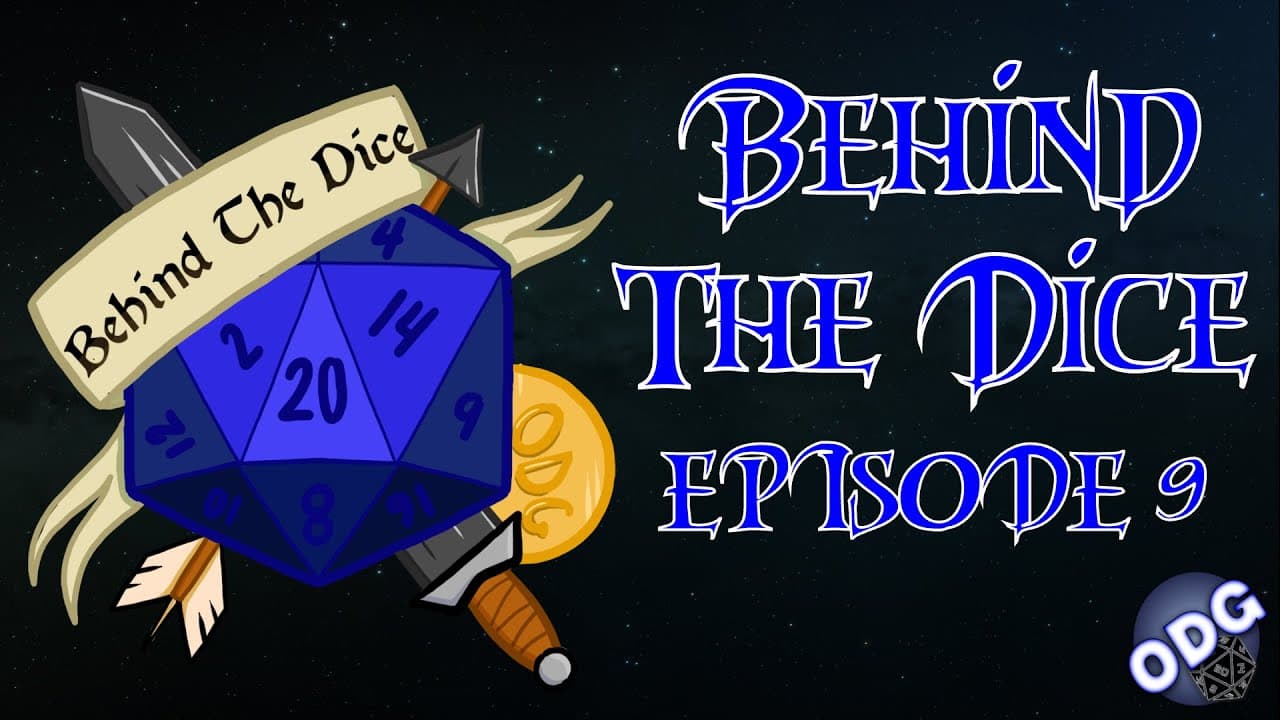
[Applause] all right everything go it is hello everybody good day hello miss ashley welcome to uh another episode of behind the dice today dungeons and dragons ama podcast type thing i don't know what the hell they call this i've been struggling basically it's an opportunity for me to just converse with players and dms and content creators and the ... Read More
Key Insights
- 🥺 NPCs enrich the narrative in Dungeons and Dragons; understanding their development can lead to dynamic storytelling.
- 🧍 Adventures can serve as stand-alone quests, while campaigns involve extensive, interconnected narratives that engage players over time.
- 🫠 Player backstories should inform the overall campaign narrative, allowing personal arcs to develop alongside main plotlines.
- ❓ A successful Dungeon Master adapts the story to accommodate player choices, creating a collaborative experience.
- 🥅 Players can derive satisfaction from achieving specific goals tied to their character's aspirations or motivations.
- 🧩 Using limited resources or abilities while navigating puzzles creates engaging challenges for players.
- 🦸 Exploring the relationships between heroes and NPCs can build emotional depth, driving story dynamics.
Install to Summarize YouTube Videos and Get Transcripts
Explore YouTube Video Summarizer or Get YouTube Transcript Extractor
Questions & Answers
Q: What strategies are suggested for creating engaging NPCs?
Engaging NPCs can be developed by giving them distinct personalities, backstories, and motivations. Consider developing their quirks or traits that make interactions memorable. Also, consider their role in the story, whether as allies, antagonists, or simply to enrich the world, ensuring they have functions that resonate with player characters.
Q: How can creators differentiate between adventures and campaigns in Dungeons and Dragons?
Adventures are standalone stories with clear beginnings and ends, while campaigns consist of interlinked adventures that build upon each other over time, featuring character development and evolving story arcs. A campaign may last months or years, whereas an adventure is typically completed in one or a few sessions.
Q: What advice is provided for new Dungeon Masters in managing story pacing?
New Dungeon Masters should plan their stories while remaining flexible to player decisions. They should be ready to adjust the narrative based on character actions, ensuring that the pacing remains engaging, whether it's speeding up or slowing down to cultivate suspense or depth.
Q: How do player motivations influence storytelling in Dungeons and Dragons?
Knowing a player's character motivations allows the Dungeon Master to tailor adventures to their desires, creating personal stakes. This connection encourages player investment in the narrative, enhancing engagement during gameplay, leading to richer storytelling and memorable moments.
Summary & Key Takeaways
-
The podcast explores the intricacies of creating Non-Player Characters (NPCs) and their significance in Dungeons and Dragons, including methods for generating interesting NPCs and integrating them into stories.
-
It highlights the difference between adventures and campaigns, explaining how they can intertwine through character progression and overarching narratives, along with the various types of adventures available to players.
-
Important concepts of player engagement are discussed, emphasizing the importance of backstories, player motivations, and the collaborative storytelling aspect of role-playing games.
Read in Other Languages (beta)
Share This Summary 📚
Summarize YouTube Videos and Get Video Transcripts with 1-Click
Try YouTube Summary with ChatGPT & Claude or YouTube Transcript Generator
Explore More Summaries from Onlydraven Gaming 📚




Summarize YouTube Videos and Get Video Transcripts with 1-Click
Try YouTube Summary with ChatGPT & Claude or YouTube Transcript Generator