Do Tennis Balls Really Contain Sulfur Hexafluoride?
TL;DR
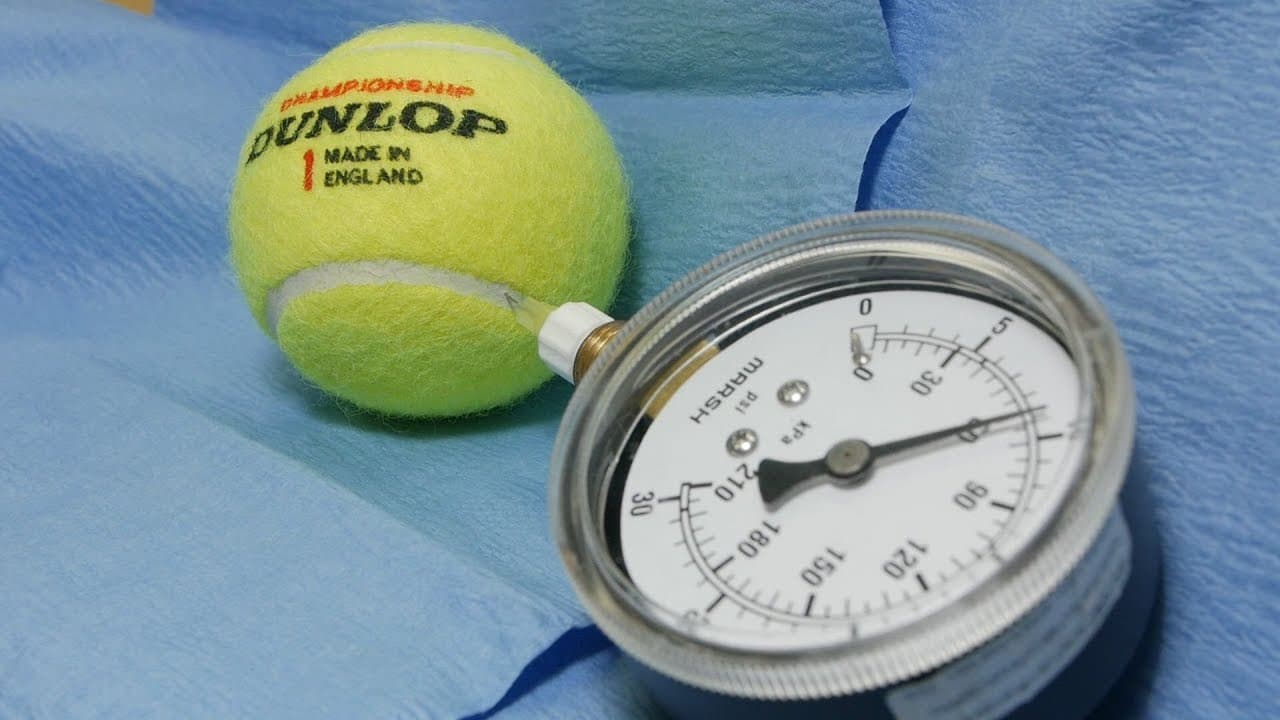
Tennis balls do not contain sulfur hexafluoride (SF6); extensive tests on various brands revealed no traces of the gas. While there are patents suggesting SF6 for improved pressure retention, the myth appears unfounded. SF6 was used in vintage Nike Air shoes for inflation but was discontinued due to its harmful environmental impact.
Transcript
today on Applied Science we're going to take a look at the myth that there's sulfur hexafluoride in tennis balls this is also known as the doop forged gosh because it's very dense but what's weird is that people claim they put it in tennis balls because it makes the ball bounce here which seems a little strange it also seems to show up in shoes and... Read More
Key Insights
- 👱 Tennis balls are pressurized with air, and patents have suggested using SF6 to slow down air diffusion and maintain pressure.
- 💬 Extensive testing of various tennis ball brands found no SF6 in them, suggesting the myth is unfounded.
- 🫢 Vintage Nike Air shoes did contain SF6 for extended inflation, but Nike stopped using it due to its environmental impact as a greenhouse gas.
- 🫢 SF6 has different qualities than other gases, making it behave as a soft and then stiff gas spring.
- 👻 SF6 has a lower gamma coefficient, allowing it to store energy without heating up as much, resulting in hyperbolic behavior as a gas spring.
- 🫢 SF6 is a powerful greenhouse gas, being more potent than CO2.
Install to Summarize YouTube Videos and Get Transcripts
Explore YouTube Video Summarizer or Get YouTube Transcript Extractor
Questions & Answers
Q: Why do some patents suggest using SF6 in tennis balls?
The patents propose using SF6 to slow down air diffusion through the rubber to maintain the ball's pressure and extend its lifespan.
Q: Did the testing find any SF6 in tennis balls?
No, even after testing numerous tennis ball brands from different eras, including vintage cans, no trace of SF6 was found.
Q: What was the purpose of using SF6 in Nike Air shoes?
SF6 was used in Nike Air shoes to prevent air leakage, keeping the shoe inflated. However, Nike stopped using SF6 due to its harmful impact as a potent greenhouse gas.
Q: Does SF6 make tennis balls bouncier?
No, SF6 does not make tennis balls bouncier. In fact, testing showed that SF6 increased the peak force on impact, making it a poor choice as a shock absorber gas.
Summary & Key Takeaways
-
Tennis balls are pressurized with air to maintain their bounce, and some patents suggest using SF6 to slow down air diffusion and extend the ball's pressure.
-
Extensive testing of various tennis ball brands from different eras did not find any trace of SF6 in them.
-
Vintage Nike Air shoes did contain SF6, but the company stopped using it due to its harmful environmental impact as a greenhouse gas.
Read in Other Languages (beta)
Share This Summary 📚
Summarize YouTube Videos and Get Video Transcripts with 1-Click
Try YouTube Summary with ChatGPT & Claude or YouTube Transcript Generator
Explore More Summaries from Applied Science 📚


Summarize YouTube Videos and Get Video Transcripts with 1-Click
Try YouTube Summary with ChatGPT & Claude or YouTube Transcript Generator