What Does Nietzsche Mean by “God Is Dead,” and Why Is It the Root of Your Suffering?
TL;DR
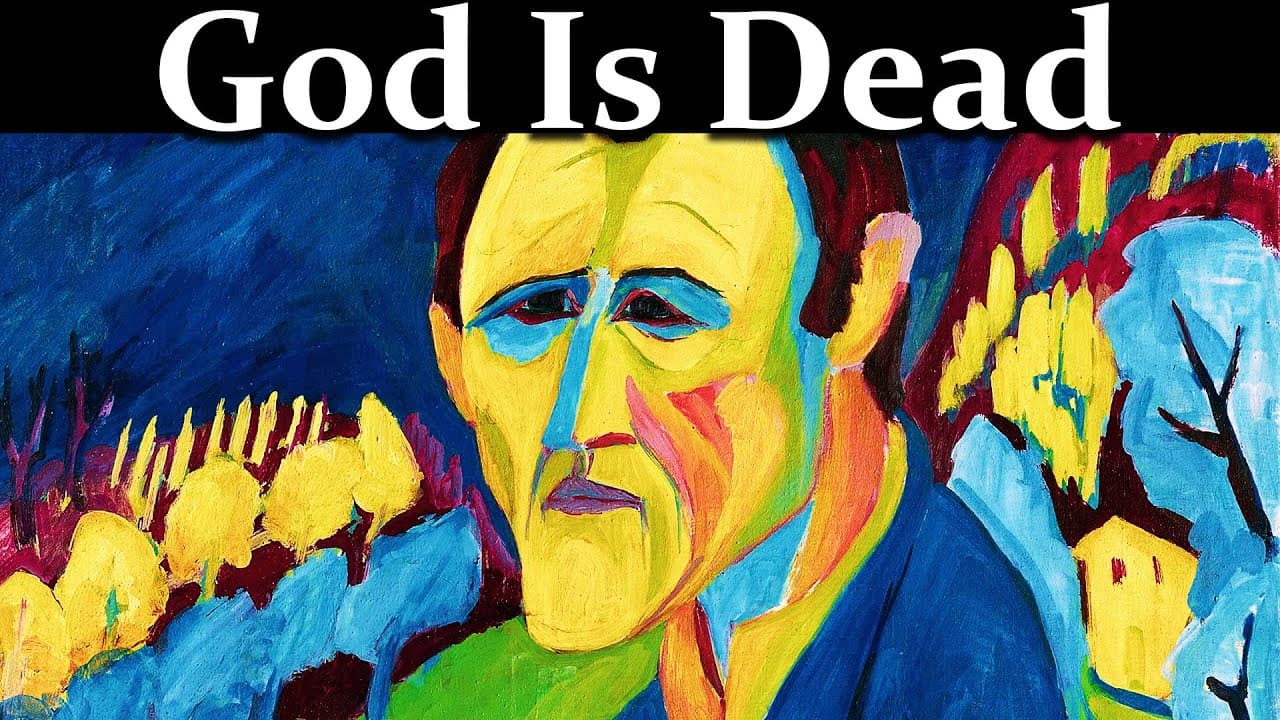
Nietzsche’s “God is dead” means that inherited sources of morality, purpose and eternal truth have lost their authority, leaving individuals responsible for creating meaning. The resulting contradiction is stark: modern people possess greater comfort, technology and freedom, yet often feel empty, disconnected and unsure why they pursue anything. Read on to understand nihilism, suffering and the challenge of becoming the author of your own existence.
Transcript
god is dead god remains dead and we have killed him nze wrote this at the end of the 19th century but perhaps this is the most current phrase of our time and before you think this is just a religious provocation listen until the end nature was not celebrating the death of God it was not an attack on faith but a brutal diagnosis of the collapse of t... Read More
Key Insights
- Collapse exceeds religious disbelief: “God is dead” concerns more than whether someone continues to hold religious faith. It describes the ruin of an entire structure that once supplied moral direction, purpose and truth. Nietzsche’s diagnosis matters because people may stop trusting that structure while continuing to behave as though an absolute foundation still exists behind their choices.
- External meaning has ended: The old order offered purpose as something discovered, guaranteed or received from beyond the individual. Its collapse changes the fundamental task of living. A person can no longer rely automatically on inherited answers, so the question becomes whether meaning can be built deliberately before the absence of certainty turns into nihilistic despair.
- Ordinary success can feel empty: Material stability does not settle the existential question described in the transcript. Food, company, work and plans may all be present while a person feels detached from life. This distinction explains why adding another achievement may fail, because the unmet need concerns significance and inner connection rather than another item in the accepted social script.
- Distraction suppresses recurring questions: Music, social media, series and work can temporarily cover the question of what life means. The question returns when noise subsides because distraction does not create a durable purpose. Modern life’s constant stimulation therefore serves as a form of avoidance, keeping people occupied without resolving the emptiness that becomes visible in silence.
- Inherited milestones offer no guarantee: Studying, working, building a family and becoming a good citizen form a familiar narrative of a worthwhile life. The transcript emphasizes that someone can follow this sequence and remain unfulfilled. The problem emerges when a socially inherited script is mistaken for personally created meaning, even after its supporting values have lost their authority.
- Progress explains but cannot purpose: Greater technology, comfort and freedom were expected to make people happier, yet they do not necessarily answer why life should be lived in a particular way. Science is portrayed as capable of offering explanations without supplying purpose. Modern progress expands what people can do while leaving the reason for doing it unresolved.
- Freedom creates a demanding burden: When absolute truths lose their force, freedom is not merely liberation. It also removes the external authority that once selected values and purposes on a person’s behalf. The transcript captures this tension by saying people are free to do anything but have lost the why of anything, making responsibility inseparable from freedom.
- Achievement reveals the deeper void: Completing an important project or obtaining something long desired can expose rather than cure existential dissatisfaction. The immediate question, “What now?” shows that accomplishment supplied a target without supplying lasting meaning. The same disconnection may persist among other people, demonstrating that achievement and company alone cannot rebuild an inner foundation.
- Nihilism is the central danger: Nietzsche’s challenge is not simply to abandon old beliefs, but to avoid being swallowed by the emptiness their collapse leaves behind. Nihilism appears when previous values no longer carry significance and nothing credible replaces them. It is therefore a transitional danger between the loss of inherited meaning and the difficult creation of new values.
- Anesthesia prevents transformation: Buying, traveling, eating, posting and repeating messages about gratitude or positivity can become attempts to cover the void. The transcript does not treat these activities as substitutes for meaning. When they are used to escape the underlying crisis, they preserve the problem by preventing the direct confrontation from which genuine change could begin.
- Suffering can expose false identities: Existing fields present suffering as a force that strips away illusions, inherited identities and the lies people tell themselves. This makes existential pain potentially revealing rather than merely evidence of failure. By confronting what no longer works, a person gains the opportunity to rebuild life around values that feel authentic instead of continuing to perform an empty script.
- Self-authorship answers the abyss: Nietzsche’s transformative possibility is represented by the Übermensch, an individual who moves through nihilism by creating values and living with intensity and authenticity. This figure does not wait for meaning to arrive from an outside authority. The person transforms chaos into personal significance and assumes responsibility for becoming the author of their own existence.
Install to Summarize YouTube Videos and Get Transcripts
Explore YouTube Video Summarizer or Get YouTube Transcript Extractor
Questions & Answers
Q: What does Nietzsche mean by “God is dead”?
Nietzsche means that the traditional structures supplying absolute morality, guaranteed purpose and eternal truth have collapsed. The statement is presented as a diagnosis, not a celebration of God’s death or a simple attack on faith. It describes a world in which meaning no longer arrives securely from outside the individual. This matters because people must now create values and purpose themselves or face the emptiness of nihilism.
Q: Why does the death of God cause suffering?
The death of God removes the framework that once gave human existence structure, direction and a dependable reason for living. A person may still possess work, plans, food and relationships while feeling disconnected because those things do not automatically answer the question of meaning. Distractions can conceal this conflict, but they cannot resolve it. Suffering follows when inherited certainty disappears before a person has created anything capable of replacing it.
Q: How does Nietzsche’s philosophy explain modern emptiness?
The transcript describes modern life as rich in comfort, technology, freedom, noise and speed, yet poor in durable meaning. People follow instructions to study, work, succeed and display their success, only to find that achievement has not changed them inside. The old foundations have crumbled, but daily behavior still assumes that the inherited script must lead somewhere. That contradiction produces fatigue, restlessness and disconnection that another accomplishment may not calm.
Q: What is nihilism according to Nietzsche?
Nihilism is the condition in which established values have lost their significance and no new source of meaning has taken their place. It begins when inherited truths and promises can no longer support the life built around them. The danger is not simply disbelief, but being swallowed by the resulting void. Nietzsche’s challenge is to confront that void and create values instead of escaping into distraction or despair.
Q: Why do success and achievement fail to create meaning?
Success can provide a goal without explaining why that goal should matter. The transcript illustrates this through the moment after an important project, when a person asks, “What now?” Following the expected path of productivity and achievement may therefore leave the inner condition unchanged. Meaning requires more than completing the social script because it must connect a person’s choices to values they have genuinely confronted and created.
Q: What role do silence and distraction play in existential suffering?
Silence allows the suppressed question of meaning to become audible. Modern routines resist that encounter through notifications, work, music, social media, series and other forms of constant noise. These distractions can temporarily prevent a person from noticing the void, but the question returns when activity stops. Solitude and silence matter because they create space to face the crisis honestly instead of repeatedly anesthetizing it.
Q: How can a person create meaning without absolute truth?
The transcript says meaning must be created by the individual rather than received from an outside authority or copied from a self-help book. This process begins by facing emptiness, suffering and failed inherited narratives without illusions or toxic positivity. The individual then takes responsibility for choosing and building authentic values from personal experience and darkness. Meaning becomes an act of self-authorship because no guaranteed purpose remains to perform that work for the person.
Q: What does the Übermensch represent in Nietzsche’s philosophy?
The Übermensch represents the person who transcends nihilism by creating new values. This individual does not rely on collapsed traditions to provide a ready-made purpose. Instead, the person transforms chaos into personal significance and lives with intensity and authenticity. The concept answers the death of God by showing what can emerge when someone accepts freedom, responsibility and authorship of their own existence.
Summary & Key Takeaways
-
Diagnosing the death of God: Nietzsche’s declaration is presented not as a celebration or an attack on faith, but as a diagnosis of collapsing certainty. The phrase marks the end of meaning supplied from outside, including absolute morality, guaranteed purpose and eternal truth. Structures that sustained the human soul for centuries no longer organize existence as they once did. The result is a difficult new condition in which people must live without ready-made answers or dependable external foundations.
-
Recognizing the hidden emptiness: A person may have food, relationships, employment and plans while still feeling that something is wrong. The transcript describes a hole, a disconnection from life and the sense of watching events unfold without truly being present. When daily noise stops, the question of meaning returns despite attempts to suppress it through music, social media, series, work or cheap spirituality. This unease is framed neither as isolation nor personal failure, but as a widespread response to lost foundations.
-
Watching the inherited script unravel: People are taught to study, work, build a family and become good citizens, yet following that script may not produce fulfillment. Nietzsche confronts the resulting emptiness without illusions, anesthesia or toxic positivity. The death of God therefore becomes the beginning of a challenge rather than simply an ending. Individuals must face a world without crutches, build real meaning for themselves or risk being swallowed by nihilism when inherited promises cease to satisfy them.
-
Exposing modern life’s contradiction: Contemporary routines are filled with notifications, speed, tasks and distractions that help people avoid silence. Progress promised that greater comfort, technology and freedom would bring happiness, but achievement can still end with the question, “What now?” The modern script urges people to choose a profession, remain productive, succeed and display success. Yet freedom to do almost anything offers little consolation when people have lost the reason why anything should be done.
-
Creating meaning from within: The void is commonly anesthetized through buying, travel, eating, posting, gratitude and positivity, but these responses do not address what is missing. The transcript argues that the central absence is meaning rather than motivation. Such meaning cannot simply be imposed from outside or copied from a self-help book. It must be created from one’s own darkness. By facing the abyss directly, a person can treat existential crisis as a beginning and become the author of a more authentic existence.
Read in Other Languages (beta)
Share This Summary 📚
Summarize YouTube Videos and Get Video Transcripts with 1-Click
Try YouTube Summary with ChatGPT & Claude or YouTube Transcript Generator
Explore More Summaries from Psyphoria 📚


Summarize YouTube Videos and Get Video Transcripts with 1-Click
Try YouTube Summary with ChatGPT & Claude or YouTube Transcript Generator