How Can You Train to Become a Genius?
TL;DR
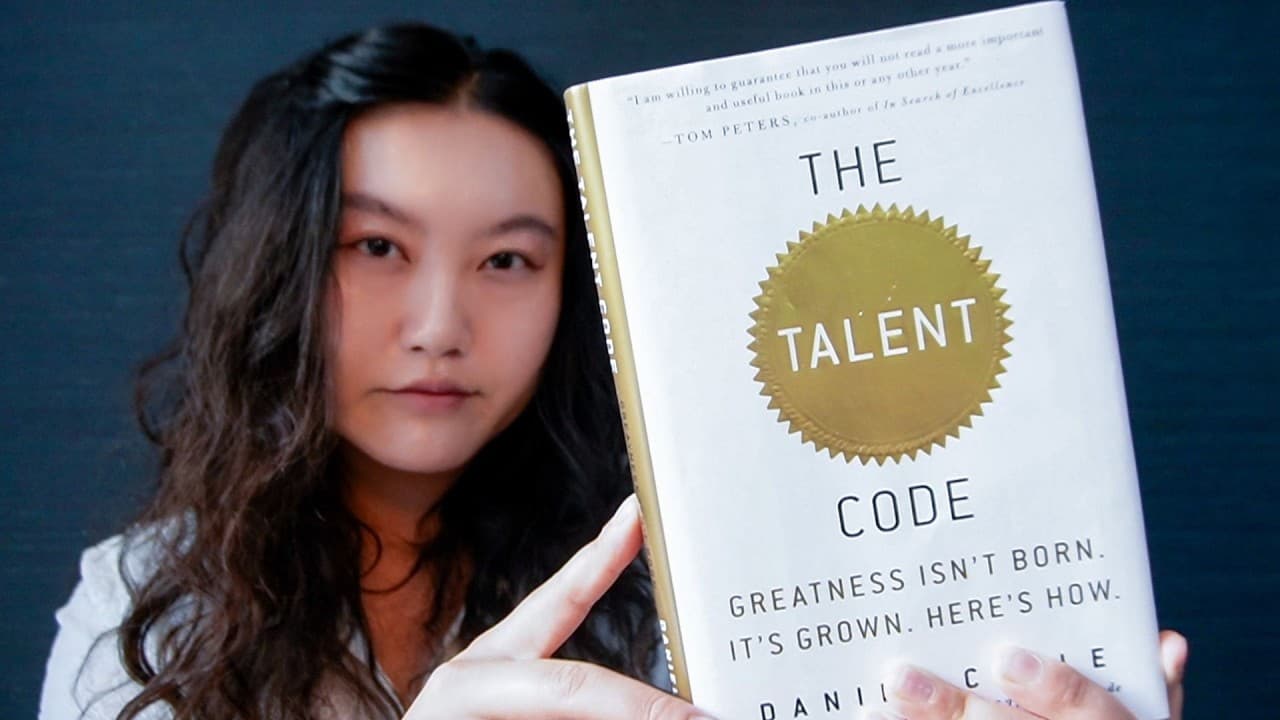
You can train to become a genius by focusing on three essential components: deep practice, ignition, and master coaching. Deep practice involves repetitive, focused effort on skill areas just beyond your current abilities. Ignition refers to the emotional drive to pursue these skills, often sparked by primal cues, and master coaching offers valuable feedback and guidance to enhance your learning journey.
Transcript
you can train yourself to become a genius Cristiano Ronaldo Michelangelo insert whoever it is that you consider to be a genius if you were to take a picture of their brain and compared it to those of normal people the key difference you would find is that in certain parts of their brain they have more of this sticky white gooey stuff called myin an... Read More
Key Insights
- Genius is not innate but can be developed through increasing myelin in the brain, which strengthens neural circuits.
- Myelin growth is stimulated by deep practice, which involves focused, repetitive skill practice at the edge of one's abilities.
- Ignition, or the emotional drive to master a skill, is crucial for sustaining the hard work required in deep practice.
- Master coaching provides guidance and feedback, helping individuals refine their skills and maintain motivation.
- Even without access to top-tier coaches, individuals can leverage online communities and AI tools for feedback and improvement.
- Deep practice is most effective in short, focused sessions of 1 to 4 hours, rather than long, unfocused practice.
- Ignition can be sparked by primal cues, such as seeing role models or experiencing life events that create a sense of urgency.
- Myelin does not diminish with age, allowing adults to continue developing new skills and improving existing ones.
Install to Summarize YouTube Videos and Get Transcripts
Explore YouTube Video Summarizer or Get YouTube Transcript Extractor
Questions & Answers
Q: What is the role of myelin in developing genius?
Myelin is a substance that wraps around neural circuits and enhances their efficiency by allowing signals to travel faster and stronger. The growth of myelin is stimulated by deep practice, which involves focused repetition of skills. This process strengthens the neural circuits associated with those skills, leading to improved performance and the development of genius.
Q: How does deep practice differ from regular practice?
Deep practice involves focused, repetitive practice at the edge of one's abilities, pushing the limits of current skill levels. It requires intense concentration and effort, often leading to frustration. This type of practice stimulates myelin growth, strengthening neural circuits. In contrast, regular practice may involve going through the motions without pushing boundaries, resulting in less significant skill improvement.
Q: What is ignition and why is it important?
Ignition is the emotional drive or motivation that fuels the hard work required in deep practice. It is crucial because deep practice is strenuous and requires sustained effort over time. Ignition is often sparked by primal cues, such as seeing a role model or experiencing a significant life event, which create a strong desire to achieve mastery in a particular skill.
Q: How can someone without access to master coaches improve their skills?
Individuals without access to master coaches can still improve their skills by leveraging online communities and AI tools. Online platforms provide access to like-minded individuals and resources for learning and feedback. AI tools can offer personalized feedback and suggestions for improvement, helping individuals refine their skills and stay motivated, even without direct guidance from expert coaches.
Q: Why is age not a barrier to developing new skills?
Age is not a barrier to developing new skills because myelin does not diminish with age. While younger individuals may form myelin more easily, adults still retain the ability to grow myelin and strengthen neural circuits. This means that adults can continue to learn and improve skills throughout their lives, as long as they engage in deep practice and maintain motivation.
Q: What are primal cues and how do they influence ignition?
Primal cues are subconscious signals that tap into basic human motivations, such as the need to belong, achieve status, or fulfill an identity. They can spark ignition by creating a strong desire to master a skill. Examples include seeing a role model succeed or experiencing a life event that creates a sense of urgency. Primal cues help sustain the motivation needed for deep practice.
Q: How can AI tools assist in skill development?
AI tools can assist in skill development by providing personalized feedback and suggestions for improvement. They can analyze performance, identify areas for growth, and offer tailored exercises to enhance skills. AI tools can simulate the role of a coach, offering guidance and support, which is especially valuable for individuals without access to expert coaches. This helps maintain motivation and accelerates learning.
Q: What practical steps can one take to integrate deep practice into daily life?
To integrate deep practice into daily life, one should focus on short, intense practice sessions of 1 to 4 hours, ensuring each session pushes the limits of current abilities. It's important to create a consistent practice schedule, ideally engaging in deep practice several times a week. Additionally, setting specific goals, seeking feedback, and maintaining motivation through ignition can help sustain the practice over time.
Summary & Key Takeaways
-
The video explains that genius is not an innate trait but can be developed through the growth of myelin in the brain, which enhances neural circuits.
-
Deep practice, ignition, and master coaching are identified as the three key ingredients for cultivating genius across various skills and fields.
-
The video offers practical advice on how to incorporate these elements into daily life, even without access to top-tier coaches, using online communities and AI tools.
Read in Other Languages (beta)
Share This Summary 📚
Summarize YouTube Videos and Get Video Transcripts with 1-Click
Try YouTube Summary with ChatGPT & Claude or YouTube Transcript Generator
Explore More Summaries from Tina Huang 📚



Summarize YouTube Videos and Get Video Transcripts with 1-Click
Try YouTube Summary with ChatGPT & Claude or YouTube Transcript Generator