Why Did Japan Lose in WWII's Pacific Theater?
TL;DR
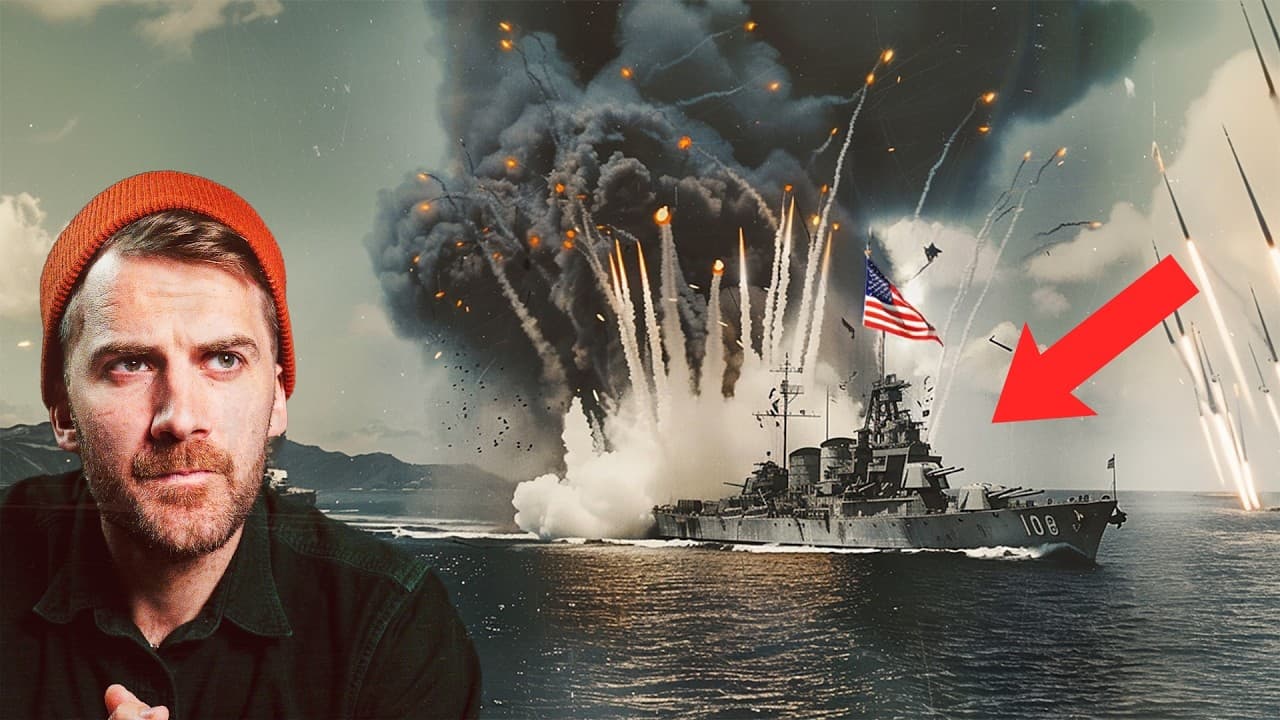
Japan lost in WWII's Pacific Theater primarily due to its overambitious military expansion and strategic miscalculations, including the critical defeat at the Battle of Midway. The U.S. effectively employed an island-hopping strategy to target Japan’s supply lines, weakening its military capabilities, which was exacerbated by the devastating atomic bombings of Hiroshima and Nagasaki that ultimately forced Japan to surrender.
Transcript
- [Reporter] It is no joke. It is a real war. (tense music) Japan has made a very severe attack. - [Johnny] This region, the Pacific, recently, it's heating up. And now is probably a good time to rewind and remember what this region looked like, back when there was a war happening out here on these islands. A war between great powers. Let's start r... Read More
Key Insights
- 🥺 Japan's imperial ambitions in the early 20th century were fueled by its need for resources, leading to aggressive military strategies.
- 😮 The surprise attack on Pearl Harbor catalyzed US involvement in WWII, demonstrating Japan's initial military prowess but also marking the start of its decline.
- 😥 The Battle of Midway represented a significant turning point in naval warfare, exhibiting the importance of intelligence and strategy in military engagements.
- 🫱 The US island-hopping strategy minimized direct combat and proved effective in dismantling Japan's supply chain, crucial to long-term war sustainability.
- 🫀 The atomic bombings of Hiroshima and Nagasaki underscored the devastating potential of nuclear weapons, permanently altering warfare and international relations.
- 🏣 Post-war Japan underwent transformation and democratization under American influence, shaping its modern political landscape and military stance.
- ✌️ The memories of WWII significantly affect contemporary Japan’s military policies and public sentiments towards conflict and peace.
Install to Summarize YouTube Videos and Get Transcripts
Explore YouTube Video Summarizer or Get YouTube Transcript Extractor
Questions & Answers
Q: What motivated Japan's expansion into the Pacific in the early 20th century?
Japan sought to secure vital resources like oil and metal to sustain its growing empire. As Japan conquered territories, it became increasingly reliant on American supply chains. Tensions escalated as Japan allied with Nazi Germany and expanded into European-controlled areas, prompting the US and its allies to impose economic sanctions that further threatened Japan's ambitions.
Q: How did the US manage to successfully counter Japan's early military successes?
The US managed to counter Japan's early victories through advanced intelligence and strategic planning. American codebreakers intercepted Japanese communications, notably prior to the Battle of Midway, allowing the US to prepare effectively. This intelligence ensured Japan suffered significant losses and shifted the tide of the war, as the US began to target Japan's supply lines rather than directly assault fortified islands.
Q: What role did the Battle of Midway play in the Pacific War?
The Battle of Midway, occurring in June 1942, was a pivotal moment in the Pacific War. The US Navy's decisive victory against the Japanese fleet not only sank four aircraft carriers but also turned Japan's momentum around as it marked the beginning of a series of successful counteroffenses by the US. This victory significantly weakened Japan's naval capabilities and allowed the US to prosecute the war more effectively.
Q: Why was the island-hopping strategy effective for the US military?
The island-hopping strategy enabled the US to bypass heavily fortified Japanese positions and instead target lesser-defended islands critical for logistics. This tactic reduced American casualties while disrupting Japanese supply lines, leading to shortages of food, ammunition, and reinforcements. By weakening Japan’s logistical framework, the US positioned itself strategically closer to Japan's mainland for future assaults.
Q: What were the implications of the atomic bombings on Japan and the world?
The atomic bombings of Hiroshima and Nagasaki demonstrated the catastrophic power of nuclear weapons, causing immense civilian casualties and leading to Japan's unconditional surrender. These bombings not only hastened the end of WWII but also ushered in a new era of geopolitical tension and arms races, significantly influencing international relations and military strategies during the Cold War.
Q: What were the long-term effects of the Pacific War on Japan?
The Pacific War culminated in Japan’s occupation by American forces, leading to significant political and military reforms. After the war, Japan adopted a pacifist constitution, limiting its military capabilities. The lasting American presence in Japan transformed the nation into a key US ally in Asia, while memories of war and bombings still resonate within Japanese society and politics today.
Q: How did local Japanese populations respond during battles like Okinawa?
Local populations in Okinawa faced extreme pressures during the fighting, often being armed and coerced into fighting the Americans. The Japanese military encouraged civilians to commit suicide rather than surrender. This resulted in devastating losses, with around one-third of the Okinawan population perishing during the intense 82-day battle, showcasing the tragic impact of war on civilian lives.
Summary & Key Takeaways
-
Japan's rapid expansion in the early 1900s was driven by resource needs, leading to its aggressive military strategies against European colonies and the US.
-
The attack on Pearl Harbor in December 1941 marked the beginning of the Pacific War, initially successful for Japan but ultimately leading to significant losses and strategic errors.
-
The US adopted an island-hopping strategy, weakening Japan's supply lines and culminating in decisive victories, including the atomic bombings of Hiroshima and Nagasaki, forcing Japan's surrender.
Read in Other Languages (beta)
Share This Summary 📚
Summarize YouTube Videos and Get Video Transcripts with 1-Click
Try YouTube Summary with ChatGPT & Claude or YouTube Transcript Generator
Explore More Summaries from Johnny Harris 📚


Summarize YouTube Videos and Get Video Transcripts with 1-Click
Try YouTube Summary with ChatGPT & Claude or YouTube Transcript Generator