How to Achieve Thick and Shiny Hair Naturally
TL;DR
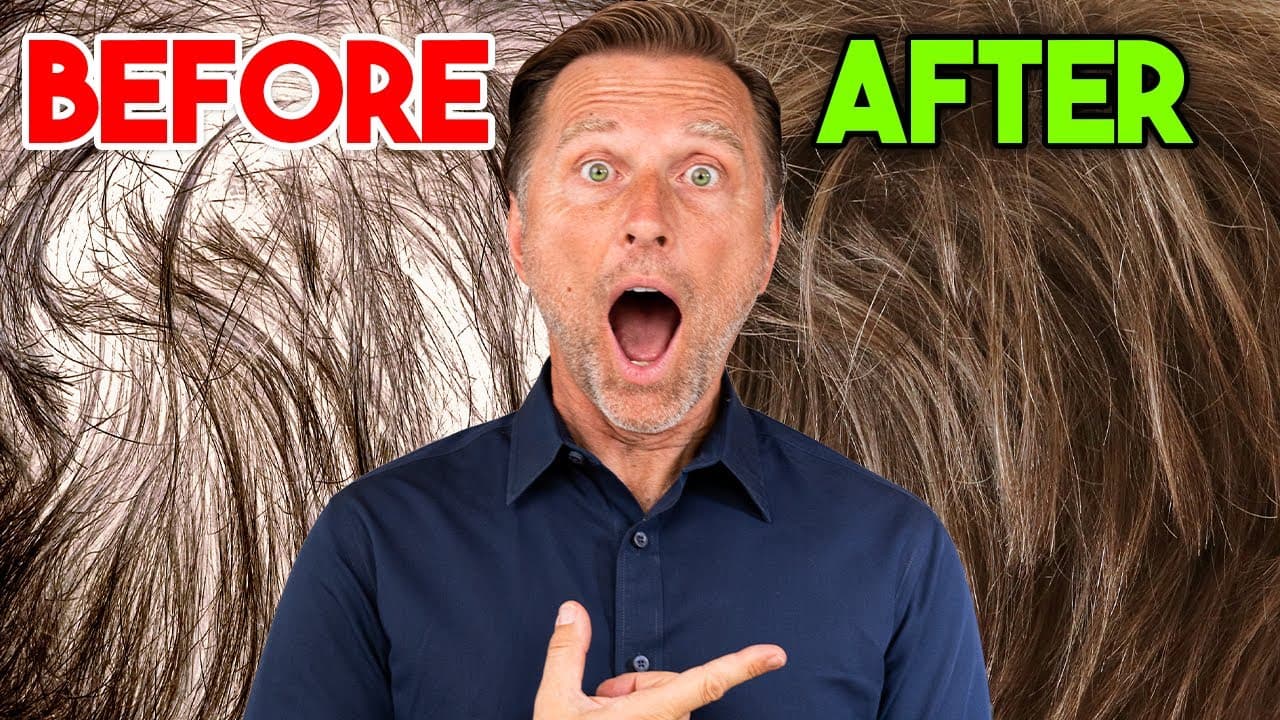
Achieving thick and shiny hair involves maintaining a balanced diet rich in biotin, vitamin A, and omega-3 fatty acids. Gut health is crucial, as it supports biotin production, and reducing omega-6 fats while increasing omega-3 intake can enhance hair quality. Foods like liver, egg yolks, and fermented products are beneficial.
Transcript
today we're going to show you how to make thick and shiny hair and as you know with my videos I like to tell you what's behind things what's the root cause of certain things and when we talk about hair realize that anything going on with your hair is the tip of the iceberg and I'm not interested in having you take more supplements we're going to re... Read More
Key Insights
- Biotin is crucial for hair thickness and can be sourced from diet and gut microbiome.
- Antibiotics can disrupt gut bacteria, affecting biotin production and hair health.
- Cooking egg whites prevents biotin absorption issues caused by raw eggs.
- Vitamin A helps control sebum, enhancing hair shine and thickness.
- Omega-3 fatty acids are essential for healthy hair, while omega-6 fats should be reduced.
- L. reuteri, a microbe, boosts sebum production and potentially hair growth.
- Copper deficiency, often due to NPK fertilizers, affects hair quality.
- Overconsumption of iron and high fructose corn syrup can lead to copper deficiency.
Install to Summarize YouTube Videos and Get Transcripts
Explore YouTube Video Summarizer or Get YouTube Transcript Extractor
Questions & Answers
Q: How does biotin affect hair health?
Biotin, a B vitamin, is crucial for hair thickness and overall health. It can be sourced from the diet, including liver and egg yolks, or produced by the gut microbiome. Antibiotics can disrupt gut bacteria, reducing biotin production and leading to hair issues. Cooking egg whites prevents biotin absorption issues caused by raw eggs.
Q: Why is vitamin A important for hair?
Vitamin A, particularly in its active form retinol, is important for controlling sebum production, which enhances hair shine and thickness. It is found in animal foods such as liver, egg yolks, shellfish, and cod liver oil. Adequate vitamin A intake supports healthy, shiny hair by maintaining proper sebum levels.
Q: What role do omega-3 fatty acids play in hair health?
Omega-3 fatty acids are essential for maintaining healthy hair. They help in making hair thick and shiny. Reducing omega-6 fats, commonly found in seed oils, while increasing omega-3 intake from sources like fish oil and cod liver oil can significantly improve hair quality and overall health.
Q: How does L. reuteri benefit hair health?
L. reuteri is a microbe that increases sebum production, which makes hair shiny. It may also stimulate hair growth. Unfortunately, it is missing in 96% of the population due to past antibiotic use. Incorporating probiotic foods can help restore this microbe, benefiting overall hair health.
Q: What is the link between copper deficiency and hair health?
Copper deficiency can negatively impact hair quality, making it dull and less shiny. This deficiency is often caused by NPK fertilizers used in agriculture, which deplete copper in the soil. Additionally, overconsumption of iron and high fructose corn syrup can lock up copper, contributing to deficiency and poor hair health.
Q: How does iron affect hair growth?
Iron is vital for hair growth as it helps oxygenate the roots, supporting hair thickness and collagen formation. However, excess iron, often from fortified wheat products, can lock up copper, leading to a deficiency that affects hair quality. Balancing iron and copper intake is crucial for optimal hair health.
Q: What dietary changes can improve hair health?
To improve hair health, incorporate foods rich in biotin, vitamin A, omega-3 fatty acids, and copper into your diet. This includes liver, egg yolks, cod liver oil, and fermented foods like kefir and sauerkraut. Reducing omega-6 fats and consuming organic foods can also enhance hair quality by minimizing harmful chemical exposure.
Q: Why should omega-6 fats be reduced for better hair health?
Omega-6 fats, found in seed oils like corn and vegetable oil, can negatively impact hair health by competing with omega-3 fatty acids. Reducing omega-6 intake and increasing omega-3 consumption supports hair thickness and shine, contributing to overall hair vitality and reducing inflammation in the body.
Summary & Key Takeaways
-
Biotin, a B vitamin, is essential for hair thickness and can be derived from diet and gut microbiome. Antibiotics can disrupt gut bacteria, reducing biotin production and affecting hair health. Cooking egg whites is necessary to prevent biotin absorption issues caused by raw eggs.
-
Vitamin A, found in animal foods, controls sebum production, enhancing hair shine and thickness. Omega-3 fatty acids are vital for healthy hair, while reducing omega-6 fats can improve hair quality. Fish oil and cod liver oil are excellent omega-3 sources.
-
Copper is crucial for various enzymes and helps regulate iron, vital for hair growth. Copper deficiency, often due to NPK fertilizers, affects hair quality. Overconsumption of iron and high fructose corn syrup can lead to copper deficiency, impacting hair health.
Read in Other Languages (beta)
Share This Summary 📚
Summarize YouTube Videos and Get Video Transcripts with 1-Click
Try YouTube Summary with ChatGPT & Claude or YouTube Transcript Generator
Explore More Summaries from Dr. Eric Berg DC 📚


Summarize YouTube Videos and Get Video Transcripts with 1-Click
Try YouTube Summary with ChatGPT & Claude or YouTube Transcript Generator