What Is the Human Virome and Why Does It Matter?
TL;DR
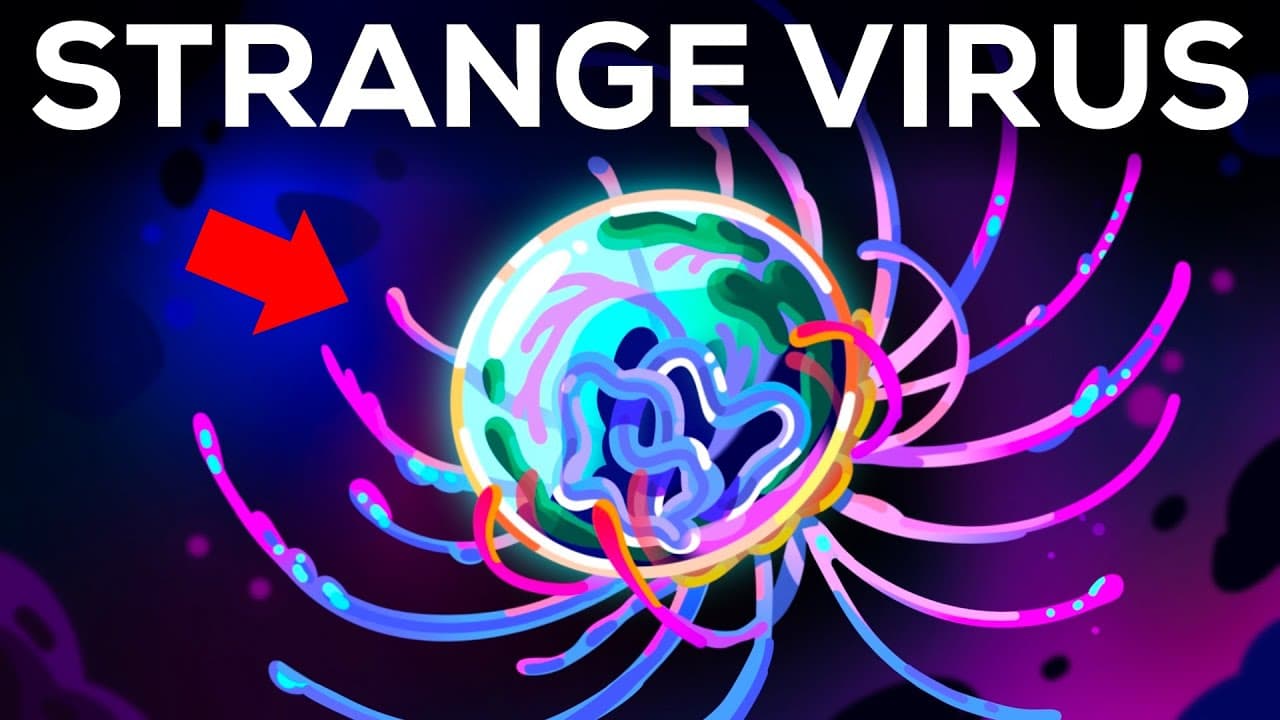
At least ten trillion viruses live inside your body, and in the gut around 97% are bacteriophages that hunt and kill resident bacteria rather than infecting your cells. This unique viral ecosystem keeps bacterial populations balanced, supports your gut lining, tunes your immune system, and some viruses can even kill cancer cells.
Transcript
Very recently scientists discovered that your body is teeming with trillions of the most bizarre viruses – these viruses are not your enemies but critical to your health, protecting you from disease, maybe even killing cancer. A new frontier of sci ence, something truly new that we are only just beginning to understand. Let us dive into the wi... Read More
Key Insights
- The human virome is a symbiotic virus ecosystem unique to each person, made of at least ten trillion viruses spanning tens of thousands of species living everywhere in the body.
- Bacteriophages make up around 97% of gut viruses; they specialize in hunting and killing resident bacteria and cannot infect human cells, killing trillions of bacteria daily.
- Each phage species is specialized to hunt one specific bacteria species and ignores all others, such as Lambda Phage targeting Escherichia coli in the gut.
- A key virome job is controlling bacterial population numbers by killing them, preventing bacteria like E. coli from overgrowing or invading tissue and causing disease.
- Some phages inject genes that make bacteria support your body, forcing hosts to maintain the gut mucus layer, break down carbohydrates, and reduce inflammation.
- Phages can alter signals bacteria send to immune cells, telling them to relax, which may prevent allergic reactions or protect against autoimmune diseases.
- Some bacteriophages carry dangerous toxin genes: CTXφ gives Vibrio cholerae the cholera toxin, and φSa3ms arms Staphylococcus aureus with superantigens and barrier-dissolving weapons.
- Oncolytic viruses like Newcastle Disease virus and Reovirus hunt cancer cells, exploit their weakened defenses, turn them into virus factories, and attract immune cells to attack tumors.
Install to Summarize YouTube Videos and Get Transcripts
Explore YouTube Video Summarizer or Get YouTube Transcript Extractor
Questions & Answers
Q: What is the human virome?
The human virome is a symbiotic virus ecosystem, completely unique to each person, made of at least ten trillion viruses spanning tens of thousands of different species living everywhere in your body. At least a few trillion live in the gut, 18 billion on the skin, 100 million in each drop of saliva, and dozens of millions in the urinary tract. This ecosystem seems crucial to your health.
Q: How many viruses are in the human body and where do they live?
At least ten trillion viruses live in the human body across tens of thousands of species. A few trillion live in the gut where most resident bacteria are, at least 18 billion on the skin, 100 million in each drop of saliva, and dozens of millions in the urinary tract. Researchers even found up to 10,000 viruses in a single drop of cerebrospinal fluid surrounding the nerves and brain.
Q: What are bacteriophages and what do they do?
Bacteriophages, or phages, are bizarre viruses that make up around 97% of gut viruses. They specialize in hunting down and killing resident bacteria and are not able to infect your cells. Instead they kill trillions of bacteria every single day. Each species is specialized to hunt one specific bacteria species and ignores all others, helping control bacterial population numbers to protect your health.
Q: How does Lambda Phage kill bacteria?
Lambda Phage floats through the gut looking for Escherichia coli. Its spider-like legs grip a bacterium hard, then like an angry syringe it rams its sharp bottom into the victim and releases its DNA. Inside, proteins disable the bacterium's defenses, turning it into a factory forced to build new viruses until it fills up and bursts open, releasing a horde of fresh Lambda viruses.
Q: How do viruses in the virome protect your health?
One of the most important jobs of the virome is controlling bacterial population numbers by killing them, preventing bacteria from overgrowing or invading tissue. Some viruses inject genes into bacteria that make them support your body, forcing them to maintain the gut's mucus layer, break down complex carbohydrates, and create anti-inflammatory substances. They also alter signals bacteria send to immune cells, potentially preventing allergies or autoimmune diseases.
Q: How can viruses turn harmless bacteria into killers?
Some bacteriophages carry dangerous genes for toxic substances that integrate into a bacterium's genetic code. CTXφ gives Vibrio cholerae the genes for cholera toxin, which permanently becomes part of its lineage, causing explosive diarrhea and vomiting that can kill about half of untreated patients. φSa3ms arms Staphylococcus aureus with superantigens and barrier-dissolving weapons, making infections far deadlier.
Q: How does the cholera toxin from CTXφ affect the body?
When CTXφ infects Vibrio cholerae, it gifts the bacteria genes for the cholera toxin, which permanently becomes part of their genetic lineage. The modified bacteria shower these toxins at the cells lining your gut, making them vomit large amounts of salt, which pulls a flood of water into your intestines. This causes explosive diarrhea and vomiting that drains fluid; if untreated, about half of patients die.
Q: How do oncolytic viruses kill cancer cells?
Oncolytic viruses like the Newcastle Disease virus and Reovirus specialize in hunting and killing cancer while mostly ignoring healthy cells. Cancer cells become worse at fighting viruses as they evolve to hide from the immune system, a weakness these viruses exploit. They take over the compromised cancer cells, turn them into virus factories, kill them, attract immune cells to attack the tumor, and disrupt the environment tumors use to evade the immune system.
Summary & Key Takeaways
-
Your body is an ecosystem of up to 40 trillion cells hosting 40 trillion bacteria that digest food and synthesize vitamins. To keep bacteria in check, at least ten trillion viruses live throughout the body, forming the human virome, a symbiotic ecosystem crucial to health.
-
In the gut, about 97% of viruses are bacteriophages that hunt specific bacteria. Lambda Phage grips E. coli, injects DNA, and forces it to build new viruses until it bursts. Some phages sleep inside bacterial genomes, while others inject genes that make bacteria support your gut and immune system.
-
Some phages turn harmless bacteria deadly: CTXφ gives Vibrio cholerae the cholera toxin causing lethal diarrhea, and φSa3ms arms Staphylococcus aureus with superantigens. Meanwhile, oncolytic viruses hunt and kill cancer cells, disrupt tumor defenses, and may become a future tool against cancer.
Read in Other Languages (beta)
Share This Summary 📚
Summarize YouTube Videos and Get Video Transcripts with 1-Click
Try YouTube Summary with ChatGPT & Claude or YouTube Transcript Generator
Explore More Summaries from Kurzgesagt – In a Nutshell 📚





Summarize YouTube Videos and Get Video Transcripts with 1-Click
Try YouTube Summary with ChatGPT & Claude or YouTube Transcript Generator