How to Use 6 Words to Hook Any Viewer
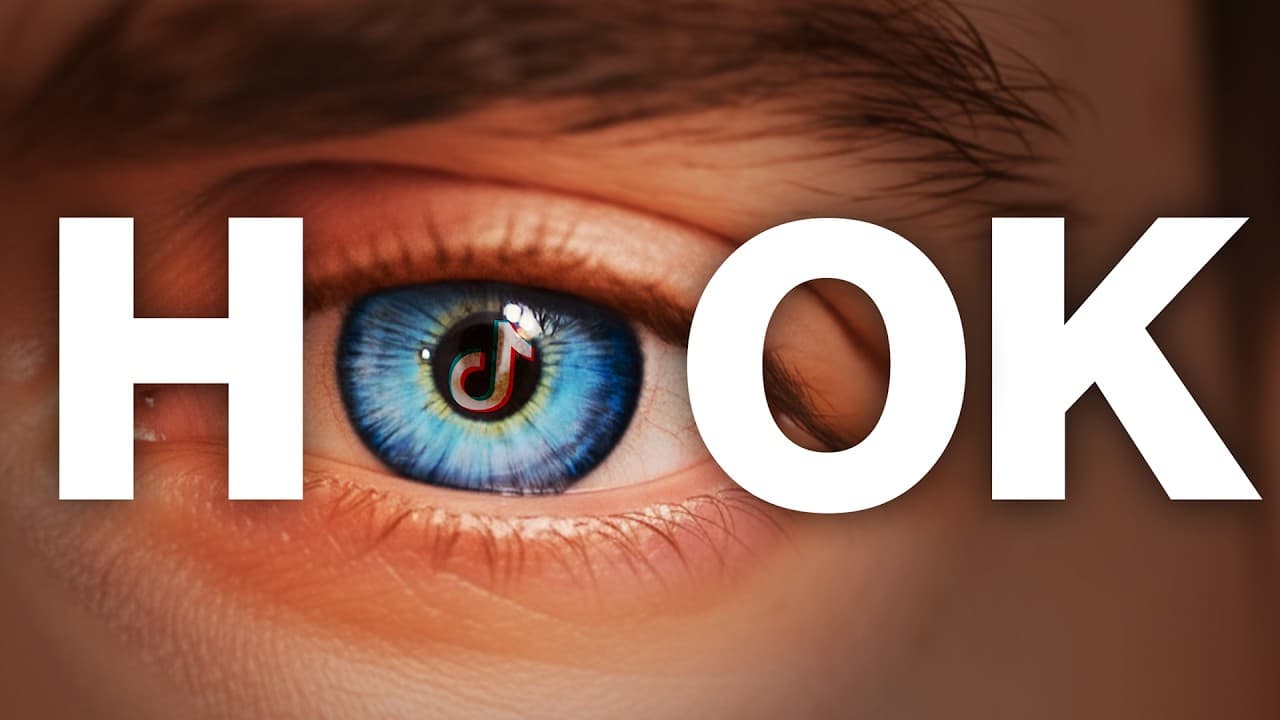
TL;DR
The six building blocks for hooking viewers are subject clarity, action, objective or end state, contrast, proof, and time. The first four form the core of a hook, while proof and time are optional ways to strengthen credibility, urgency, and curiosity. Callaway demonstrates the framework with a YouTube-growth hook about moving from zero to 100K subscribers, so read on for a practical breakdown of how each component works.
Transcript
Today we're talking about hooks. If you want your videos to perform better, you have to focus on leveling up your hooks. There's just no way around it. But here's the truth. To make your hooks better, you don't need a fancy formula. You don't even need to be that good of a writer. All you need to know are six power words. If you can understand thes... Read More
Key Insights
- Subject clarity is crucial for defining the main focus of your hook, whether it's you, we, or a specific entity.
- Action words represent the steps taken by the subject to achieve a desired outcome, essential for engaging hooks.
- Objective or state change words highlight the end result or goal, with more shocking outcomes increasing hook effectiveness.
- Contrast words compare the base state with the new outcome, intensifying curiosity and engagement.
- Proof words, though optional, add credibility, especially in educational content, by showing previous experience or success.
- Time words introduce urgency or speed, making the message more compelling by suggesting quick results.
- Combining these six words can create powerful hooks that capture attention and drive viewer engagement.
- Analyzing successful hooks from top creators can provide templates and inspiration for crafting your own effective hooks.
Install to Summarize YouTube Videos and Get Transcripts
Explore YouTube Video Summarizer or Get YouTube Transcript Extractor
Questions & Answers
Q: How do you use six words to hook any viewer?
Build the hook from subject clarity, action, objective or end state, contrast, proof, and time. The first four are the main components, while proof and time are optional additions that can intensify curiosity.
Q: What are the six power words for writing video hooks?
The six power words are subject clarity, action, objective or end state, contrast, proof, and time. They can be single words or phrases, functioning as chunks that you stack together into a hook.
Q: What does subject clarity mean in a video hook?
Subject clarity identifies who or what matters in the video, such as “I,” “we,” or a specific AI company. In the example “If I had to grow from zero to 100K subs on YouTube,” the subject clarity word is “I.”
Q: What is the action word in a hook?
The action word describes what the subject does to create the desired outcome or state change. In the YouTube example, “grow” is the action connecting the subject “I” to the objective of reaching 100K subscribers.
Q: How does an objective or end-state phrase strengthen a hook?
The objective or end-state phrase states the result the subject wants to achieve through the action. The example uses “zero to 100K subs on YouTube,” and the speaker says a more shocking result or state change generally makes the hook stronger.
Q: Why should a hook include contrast?
Contrast compares the base state with the new outcome and intensifies curiosity about moving from A to B. In the example, the contrast is the change from zero to 100K YouTube subscribers.
Q: When should you add proof to a video hook?
Proof qualifies why viewers should care about the creator’s perspective. The speaker says entertainment content rarely needs it, while educational content often does; adding “again” to the example implies that the creator has already achieved the result.
Q: How can a time word make a hook more compelling?
A time word adds a constraint or timeframe that connects speed with effectiveness and increases curiosity. The example can promise growth from zero to 100K subscribers “in 5 months” or explain how to do it “in the next 90 days.”
Summary & Key Takeaways
-
Understanding the six power words—subject clarity, action, objective, contrast, proof, and time—is key to creating effective video hooks. These components help define the focus, action, and outcome while adding urgency and credibility. By mastering these elements, content creators can enhance viewer engagement and improve video performance.
-
Subject clarity and action words are fundamental, establishing who is involved and what is happening. Objective and contrast words highlight the desired outcome and create curiosity by comparing it to the current state. Proof and time words, while optional, add credibility and urgency, respectively.
-
By studying successful hooks and practicing with these six power words, creators can develop a strong understanding of what makes a hook effective. This process, known as copy work, involves analyzing and adapting hooks from top creators to fit different topics and audiences.
Read in Other Languages (beta)
Share This Summary 📚
Summarize YouTube Videos and Get Video Transcripts with 1-Click
Try YouTube Summary with ChatGPT & Claude or YouTube Transcript Generator
Explore More Summaries from Kallaway 📚



Summarize YouTube Videos and Get Video Transcripts with 1-Click
Try YouTube Summary with ChatGPT & Claude or YouTube Transcript Generator