How to build Muse and personal AI agents at Meta?
TL;DR
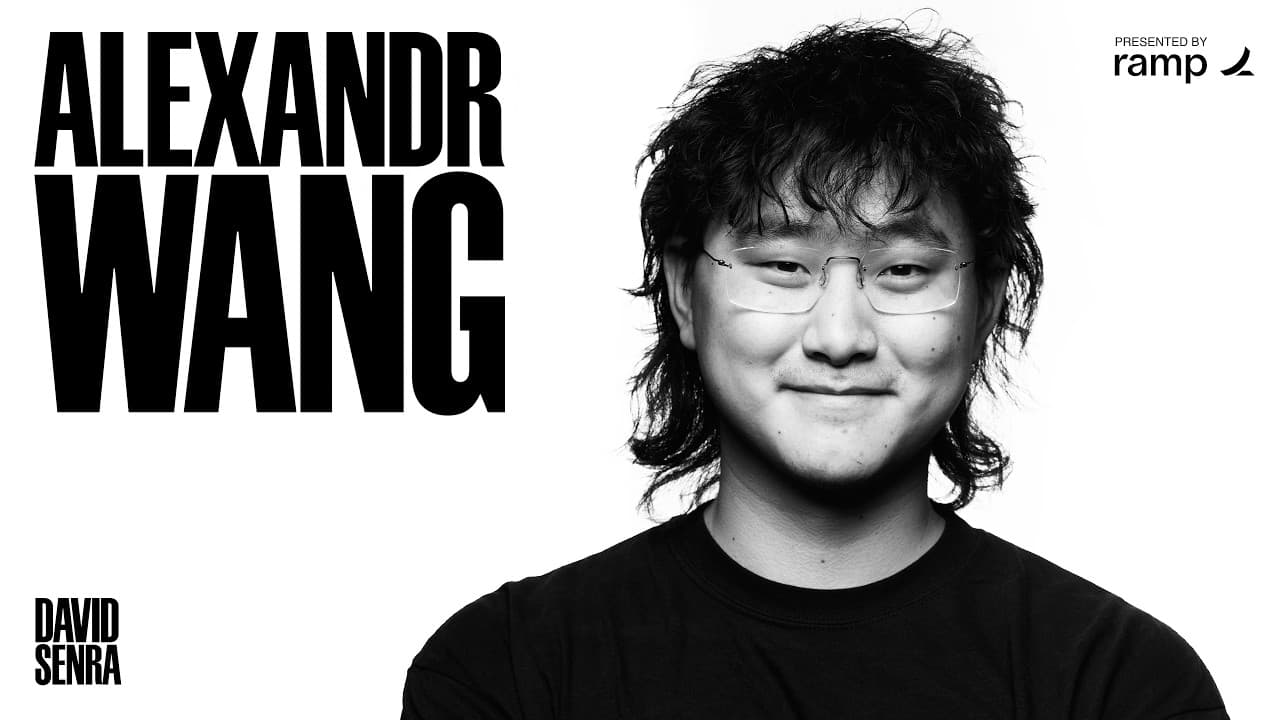
Muse originated from a vision to create personal agents that improve human life, leading to a fast prototype and a seven month journey to a reliable consumer product. The interview covers Mark Zuckerberg, Nat Friedman, and Alexandr Wang shaping Muse, agents, and Meta’s AI strategy while balancing vision with product reliability.
Transcript
Tell me the history of Muse. The first thing to start with is probably like what our vision was when we started Meta Super Intelligence Labs. And when we started it, Mark published this memo that myself and Natt Friedman and a bunch of others like worked together with him closely on called Personal Super Intelligence. And the whole idea was like ho... Read More
Key Insights
- Muse was created through a seven month effort to transform a prototype into a reliable consumer product.
- Personal agents were pursued as Meta’s core strategy, differentiating from coding agents and guiding product direction.
- The project involved building data sets, training, and a full stack to produce end-to-end consumer experiences.
- Early experiments with OpenClaw showed magical but unreliable interactions that drove a focus on reliability and polish.
- Mark Zuckerberg used the Muse prototype in personal contexts, including home use and MMA training, influencing product feedback.
- The team emphasized a single clear vision and a strong point of view to align multiple stakeholders.
- Meta reorganized around small teams, exceptional talent, and minimal bureaucracy to accelerate AI development.
- Memes and storytelling were used strategically to help the product gain viral traction and user adoption.
Install to Summarize YouTube Videos and Get Transcripts
Explore YouTube Video Summarizer or Get YouTube Transcript Extractor
Questions & Answers
Q: A real search query question about the video How did Muse differ from coding agents in Meta’s strategy?
Muse was pursued as part of Meta’s vision for personal agents that can assist across daily life, not just perform coding tasks. The team argued that personal agents offer broader utility and companionship, enabling a consumer experience that scales beyond specialized coding applications. This strategic focus shaped product design, data handling, and the end user experience.
Q: Question 2 How long did it take to build Muse from prototype to product, and what was the process like?
Muse went from a prototype to a consumer product in seven months, a period described as lengthy and painful yet necessary for reliability and polish. The process involved iterating on the model, refining the user experience, building a complete stack with data, training, and pro training, and demoing to the board to align on a consumer-oriented product.
Q: Question 3 Who were the key figures shaping Muse and what roles did they play?
Key figures include Alexandr Wang, Nat Friedman, and Mark Zuckerberg. Wang led the AI efforts at Meta, Friedman helped push early adoption of OpenClaw and OpenClaw experiments, and Zuckerberg contributed by using the prototype and providing strategic direction. Their collaboration shaped the vision, testing, and rollout of Muse.
Q: Question 4 What lessons did the team learn from early OpenClaw experiences?
Early OpenClaw experiences showed magical interactions that were exciting but often not reliable. These lessons pushed the team to grind out details, improve stability, and focus on turning magical moments into consistently good user experiences. The experiences informed decisions on product reliability and user safety.
Q: Question 5 How did Mark Zuckerberg use Muse in his personal life, according to the interview?
Zuckerberg reportedly used Muse for home tasks, with his kids, and during MMA training. These personal uses provided real-world feedback, showing practical applications and helping the team understand how the product could integrate into daily routines and varied activities, guiding iterative improvements toward a broadly useful tool.
Q: Question 6 What was Meta’s strategic rationale for prioritizing personal agents over other AI directions?
The strategic rationale was that personal agents align with Meta’s strengths in broad consumer impact, enabling a product that can enhance everyday life for many users. This direction also differentiates Meta from competitors focusing only on coding agents, aiming to create a more universally useful assistant that supports diverse tasks.
Q: Question 7 How did the team address the balance between vision and production realities?
The team balanced vision and production realities by maintaining a clear, shared point of view while investing in a reliable, scalable consumer experience. They iterated rapidly, learned from initial failures, and prioritized reliability, data handling, and end-to-end integration to ensure the product could handle billions of users.
Q: Question 8 What role did culture and organizational structure play in Muse’s development?
Culture and structure favored small, high-talent teams with minimal bureaucracy. This setup allowed fast decision making, close collaboration, and rapid iteration. By focusing on a coherent product vision and lean organization, Meta could push the Muse project forward quickly while maintaining quality and user focus.
Summary & Key Takeaways
-
Muse started with a vision at Meta Super Intelligence Labs to build personal agents that lift the human experience, then moved through rapid prototyping and a lengthy product cycle to become a consumer-ready experience.
-
The team learned from early OpenClaw experiences, focusing on turning magical moments into reliable interactions, and aligning the product with a consumer-friendly design and long term AI strategy.
-
The discussion highlights Meta, Mark Zuckerberg, Nat Friedman, and Alexandr Wang shaping a shift toward personal agents, small high talent teams, and minimal bureaucracy to accelerate AI breakthroughs while aiming for wide scale impact.
Read in Other Languages (beta)
Share This Summary 📚
Summarize YouTube Videos and Get Video Transcripts with 1-Click
Try YouTube Summary with ChatGPT & Claude or YouTube Transcript Generator
Explore More Summaries from David Senra 📚


Summarize YouTube Videos and Get Video Transcripts with 1-Click
Try YouTube Summary with ChatGPT & Claude or YouTube Transcript Generator