How to hire raw talent and build the best company ever
TL;DR
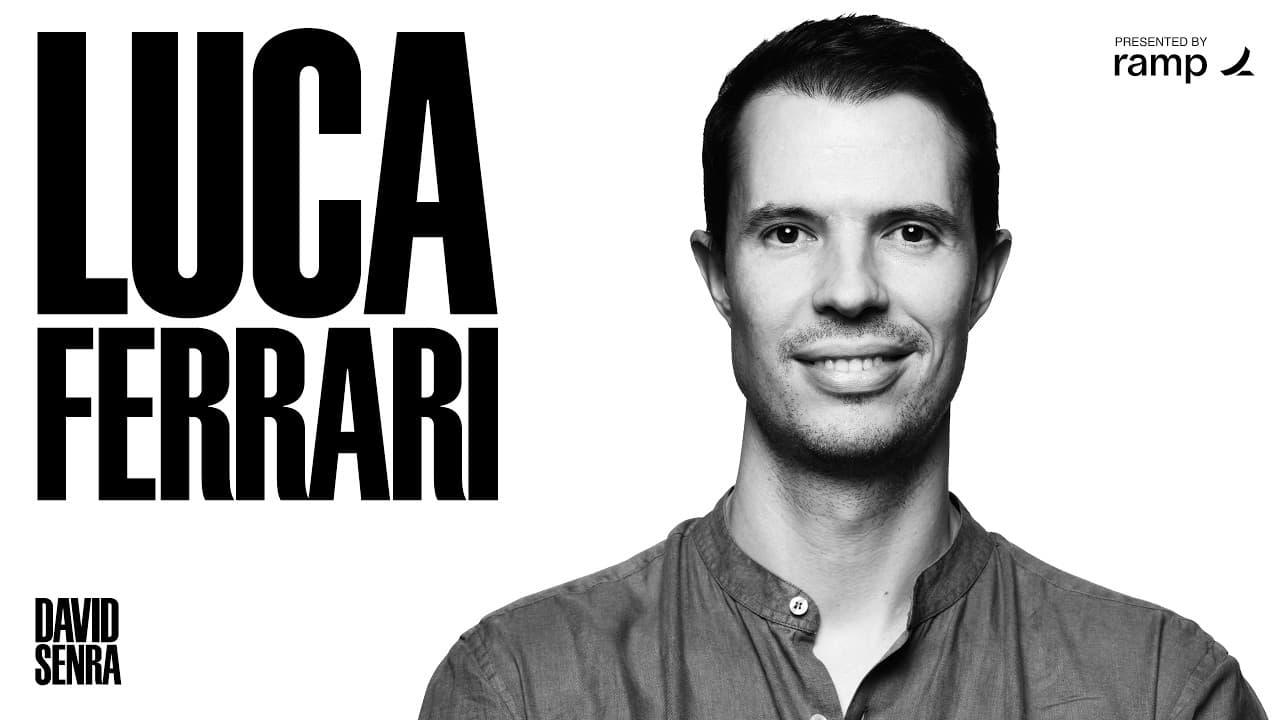
The core idea is to hire top performers over raw experience and to push extreme ownership across teams. Bending Spoons uses a centralized talent approach with many signals to identify exceptional people early, while simplifying operations and rotating teams to maintain focus and leverage smaller, capable units.
Transcript
So, we're going to start this episode in a locked in stance because we've just been talking off camera and I was like, "God damn it, we need to start recording immediately." I didn't even want to think to start here, but uh you noticed the apploving mug and then you're like, "Oh, Farugi." And then you laughed. What do you think of Adam Farugi? >> W... Read More
Key Insights
- Talent over experience: High performers can deliver significantly more value, and experience is not the sole predictor of success.
- Customer expectations evolve rapidly, so teams must adapt with fresh thinking and modern approaches rather than relying on long-held methods.
- A centralized talent system with many signals helps identify exceptional people early, supporting scalable, high-impact hiring.
- Teams rotate across businesses to diversify skills and avoid silos, promoting broader understanding and flexibility.
- Eliminating traditional job titles keeps focus on contribution and trajectory rather than hierarchy.
- Founders are not the sole drivers; the company emphasizes collective ownership and a shared mission over founder-centric narratives.
- Isolation from startup hubs can foster unique, first-principles thinking and reduce copying existing playbooks.
- Operational excellence, combined with AI tools, enables small teams to run acquired businesses effectively, such as Evernote, without large staff.
Install to Summarize YouTube Videos and Get Transcripts
Explore YouTube Video Summarizer or Get YouTube Transcript Extractor
Questions & Answers
Q: How does Bending Spoons prioritize talent over experience in hiring?
Bending Spoons focuses on identifying exceptional people early using a centralized talent system with more than 100 signals. The approach emphasizes raw ability and drive over years of experience because high performers typically deliver disproportionately more value. Experience may become less relevant as customer expectations and technology evolve.
Q: What is the company’s stance on founders and titles within the organization?
The company aims to eliminate the idea of founders as a distraction and emphasizes contribution and trajectory over founder status. They believe the center of gravity should be the company and its people, not the founder, with a focus on building the best company rather than maintaining founder prestige.
Q: Why does Luca discuss isolating from traditional startup ecosystems, and what is the benefit?
Isolation from traditional startup hubs allowed the team to think from first principles and experiment without being swayed by prevailing mantras. This mindset supports longer learning curves and the discovery of unique insights that can differentiate the company from mediocrity and conventional playbooks.
Q: How does the company view customer expectations and their evolution in tech?
Customer expectations evolve rapidly in technology, with what is considered intuitive or well monetized changing significantly over time. This requires teams to continuously adapt, refresh approaches, and not rely on outdated assumptions about software design and delivery.
Q: What lessons did the Evernote acquisition and past ventures teach about talent and scale?
Lessons from earlier ventures include recognizing that a single top performer can outperform many others and that talent quality matters more than sheer experience. These experiences informed a strategy to hire younger graduates and scale capabilities through exceptional individuals rather than relying solely on experience.
Q: How does the company implement operating efficiency to manage acquisitions?
The company uses a proprietary operating system and AI tools to enable small teams to run acquired products like Evernote. This approach supports aggressive portfolio management by standardizing processes and enabling high output without large staff, contributing to the efficiency of acquisitions.
Q: What is the rationale behind aggressive workload and ownership expectations for employees?
Employees are given more work than they can possibly complete to foster extreme ownership and rapid problem solving. This discipline pushes teams to simplify, prioritize, and relentlessly improve processes, aligning daily work with the broader mission of building the best company.
Q: How does the company view the role of rationality versus data in decision making?
Luca argues that logic and rationality are more reliable than blindly following data. While data informs decisions, a rational framework helps teams interpret signals effectively and avoid overreacting to short-term metrics or noise, enabling steadier progress toward long-term goals.
Summary & Key Takeaways
-
Luca explains that the goal is to build the best company ever, accepting that it may be aspirational and difficult, but aiming for extraordinary outcomes drives better people and bigger rewards. The company emphasizes minimal titles, cross-functional rotations, and a centralized talent process to keep everyone aligned.
-
The discussion highlights the value of talent over experience, noting that high performers can deliver vastly more than average colleagues and that rapid changes in customer expectations require fresh thinking and modern approaches rather than relying on past experience.
-
Operational excellence and AI tools enable small teams to manage large portfolios, including acquired products like Evernote, by standardizing processes and using over 100 signals to assess potential hires and contributors.
Read in Other Languages (beta)
Share This Summary 📚
Summarize YouTube Videos and Get Video Transcripts with 1-Click
Try YouTube Summary with ChatGPT & Claude or YouTube Transcript Generator
Explore More Summaries from David Senra 📚
Summarize YouTube Videos and Get Video Transcripts with 1-Click
Try YouTube Summary with ChatGPT & Claude or YouTube Transcript Generator