How Can Parents Address Bullying and Screen Use?
TL;DR
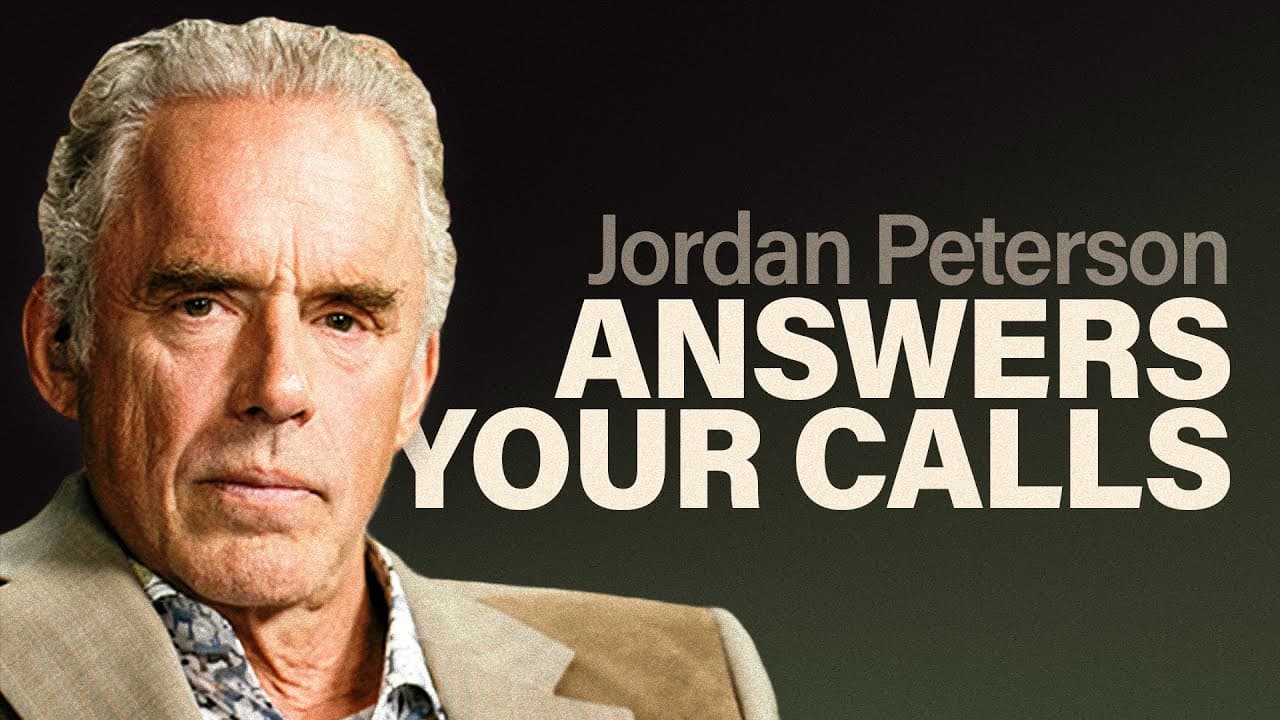
Parents can help a struggling adult child by replacing blame and control with genuine questions, careful listening, and a shared plan for a better future. The discussion also recommends treating obesity and withdrawal as connected health and social problems, approaching lifestyle changes as a family, and seeking qualified professional guidance before acting on nutritional or psychological suggestions.
Transcript
You got bullied, right? You talked all the time. Not everybody gets bullied, but some people are bullied more than others. My son Anthony is overweight. His friends used to tease him and ridicule him. Our 8-year-old son has been called fat by a few friends. How can we as parents encourage a healthy lifestyle knowing when or if to focus on weight? T... Read More
Key Insights
- A shared future plan is presented as the starting point for helping a struggling adult child. The parent and child should identify what is currently unsustainable, describe what a better life could look like, and agree on steps rather than allowing concern to become unilateral control.
- Genuine questions are described as more effective than statements for difficult parental interventions. Questions about health, friendships, intimate relationships, future goals, and desired parental support can reveal the child’s perspective, but they must be asked without manipulation and followed by careful listening.
- Parental concern must be balanced with respect for an adult child’s autonomy. The father cannot simply ignore worsening health and isolation, yet repeated pressure may intensify misery, so the conversation recommends explicitly asking what useful support should look like.
- Obesity is framed in the discussion as a situation-induced illness rather than evidence of weak character. The speakers emphasize that people with chronic health problems are often blamed for being sick even when they do not understand the cause or possess a workable solution.
- Video game withdrawal is interpreted as a possible coping response rather than the sole problem. Mikhaila suggests that physical illness, depression, and brain fog may be drawing the young man toward games, while Jordan describes hiding as a defense against painful circumstances.
- Family participation is presented as a way to reduce shame around lifestyle change. Instead of telling the son that he alone must fix himself, the family can communicate that it supports him, does not blame him, and is willing to try a different eating approach together.
- Restrictive dieting is criticized because the speakers say restriction is difficult to maintain and may be followed by regained weight. They favor ketogenic or carnivore approaches because, in their account, these approaches permit satiety and may reduce cravings after a difficult transition.
- Professional consultation remains essential because the program identifies its nutritional and psychological discussion as educational, informational, and entertaining rather than medical advice. Its description strongly encourages viewers to consult qualified healthcare professionals before making decisions based on the conversation.
Install to Summarize YouTube Videos and Get Transcripts
Explore YouTube Video Summarizer or Get YouTube Transcript Extractor
Questions & Answers
Q: How can a parent help an isolated adult child change an unhealthy lifestyle?
A parent can begin by asking genuine questions about how the adult child views the current situation, what feels painful, and what a better future would include. The discussion recommends creating a joint plan rather than imposing one. It also suggests asking what kind of parental involvement would feel helpful, while honestly explaining why continued deterioration cannot simply be ignored.
Q: How should parents discuss obesity without blaming their child?
Parents should frame the problem as a health difficulty shaped by circumstances, not as proof of laziness or moral failure. The conversation recommends acknowledging the harm caused by ridicule, saying clearly that the family is on the child’s side, and offering a concrete family effort. This approach replaces accusation with solidarity while preserving the possibility of meaningful change.
Q: Why are genuine questions useful when addressing a struggling child?
Genuine questions allow the child to describe problems, defenses, goals, and desired support in their own terms. Jordan Peterson argues that questions can suggest change more effectively than statements, provided they are not manipulative. The parent should ask, listen, and map the situation before proposing solutions, which can make a shared plan more realistic and acceptable.
Q: What future goals should parents explore with a socially isolated child?
The discussion suggests asking whether the child wants friends, an intimate relationship, improved health, or other future goals, and how those aims might be pursued. A parent can also ask what life should look like in five years. The purpose is to create a motivating vision that offers direction instead of leaving the child controlled by immediate surroundings and avoidance.
Q: Is heavy video game use always the main problem for an isolated young adult?
The conversation suggests that heavy gaming may be a refuge from deeper physical, emotional, and social difficulties rather than the original cause. Mikhaila Peterson proposes that physical ailments, possible depression, and brain fog may draw the young man toward games. The family should therefore investigate the broader situation instead of treating screen use as an isolated behavioral failure.
Q: How can families support lifestyle changes without increasing shame?
Families can present lifestyle change as a shared experiment rather than an order directed at one person. Mikhaila Peterson recommends communicating that the child is not being blamed, that the family recognizes how difficult certain foods may be to resist, and that everyone is willing to try the proposed approach together for a limited period. Shared participation signals practical support.
Q: What eating approaches are discussed for severe weight problems?
Jordan and Mikhaila Peterson discuss ketogenic and carnivore eating as possible approaches, drawing on reported experiences within their family. They say these approaches can permit satiety and may reduce cravings, unlike sustained food restriction. However, the program explicitly states that its content is not medical or nutritional advice and strongly encourages consultation with a qualified healthcare professional.
Q: How can a parent balance intervention with an adult child’s independence?
The parent can recognize the adult child’s wish to be left alone while also explaining that love makes passive observation difficult when health and isolation appear to be worsening. The discussion recommends asking the child how the parent should behave, what support is wanted, and what boundaries are appropriate. Any plan should be negotiated rather than enforced through constant pressure.
Summary & Key Takeaways
-
A father describes his 21-year-old son’s obesity, history of ridicule, social isolation, and heavy video game use. Jordan Peterson recommends first understanding what the son thinks about his circumstances, then jointly defining a more sustainable future and clarifying how the father can help without becoming controlling or adding to his misery.
-
The conversation frames obesity as an illness shaped by circumstances rather than a simple personal failure. Mikhaila Peterson argues that hyper-palatable, carbohydrate-rich foods can be difficult for some people to stop eating. She recommends communicating solidarity, acknowledging the damage caused by bullying, and attempting lifestyle changes together as a family.
-
Jordan and Mikhaila Peterson advocate low-carbohydrate approaches, particularly ketogenic or carnivore eating, based on their family experiences. They argue that satiety may make these approaches easier to sustain than restriction. The program’s description explicitly states that such views are educational and are not substitutes for qualified medical, nutritional, or psychological advice.
Read in Other Languages (beta)
Share This Summary 📚
Summarize YouTube Videos and Get Video Transcripts with 1-Click
Try YouTube Summary with ChatGPT & Claude or YouTube Transcript Generator
Explore More Summaries from Jordan B Peterson 📚





Summarize YouTube Videos and Get Video Transcripts with 1-Click
Try YouTube Summary with ChatGPT & Claude or YouTube Transcript Generator