How to Put Simon Sinek's Leadership Ideas to Work
TL;DR
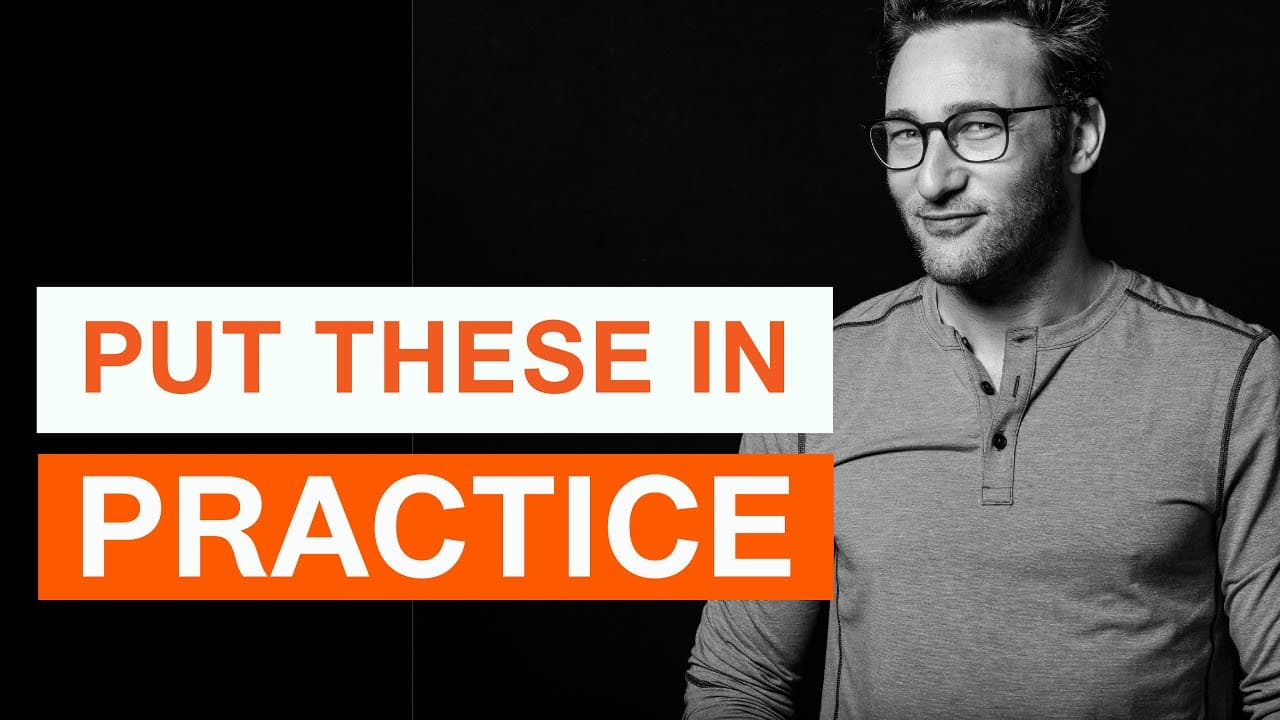
A durable purpose states the contribution an organization makes and the impact it seeks, while remaining separate from any particular product. Leaders put that purpose into practice by using it as a decision filter, creating an environment where trust can develop, and continuing to innovate after once-distinctive products or features become common.
Transcript
welcome it's fantastic to be here and Simon thank you so much for joining us here at DocuSign we're really thrilled to have you here today thanks for having me appreciate it so hey for the few you know five percent of Doc designers who don't already know you because of the incredible success you've had with your books and you're speaking can you ma... Read More
Key Insights
- A why is the purpose, cause, or belief that explains why a person or organization acts, while making money is a result. It answers why the organization exists beyond its products and why employees or customers should care.
- A strong why contains both contribution and impact. It identifies the specific thing an organization does and the broader result it wants that contribution to produce, creating a complete statement rather than naming only an appealing outcome.
- An organization's why comes from its past and founding history. Products are the primary means for advancing the cause, but defining purpose through a current product places the offering above the more enduring human reason the organization exists.
- Purpose works as a filter for strategy and decision-making. Organizations can ask whether a proposed action builds upon their cause, giving employees a rallying point for determining how their work advances something larger than a short-term target.
- Innovation requires creating again after competitors adopt a pioneer's distinctive features. JetBlue's leather seats and individual televisions eventually became common, illustrating why continued emphasis on having invented a feature loses relevance once customers see it as generic.
- Success can weaken an organization's original purpose when quarterly goals, annual targets, and short-term incentive structures replace the beliefs that inspired its early work. Preserving the founding cause helps maintain a foundation for continued innovation.
- Trust is shaped by the environment rather than being only an individual's fixed quality. A good person can behave badly in harmful conditions, while someone perceived as untrustworthy can become a valuable teammate when the surrounding environment changes.
- Leaders are responsible for setting the environment in which people work. By creating conditions that support safety and cooperation, leaders make trust more likely to follow, enabling employees to share responsibility and sacrifice for the team.
Install to Summarize YouTube Videos and Get Transcripts
Explore YouTube Video Summarizer or Get YouTube Transcript Extractor
Questions & Answers
Q: What does Simon Sinek mean by starting with why?
Starting with why means beginning with the purpose, cause, or belief behind an action before describing products or methods. People and organizations generally know what they do, and some can explain how they differ, but few clearly state why they exist beyond making money. The why gives others a reason to care and provides a foundation for action.
Q: How should an organization write a strong why statement?
A strong why statement should contain a contribution and an impact: it identifies what the organization contributes so that a desired change can happen. Stating only an outcome, such as making the world more agreeable, leaves the specific contribution unclear. The statement should also reflect the organization's history and remain distinct from any particular product or technology.
Q: Why should a company's purpose be separate from its products?
A company's purpose should be separate from its products because products are tools for advancing the cause, not the cause itself. Product-centered language can make a current offering appear more important than the human purpose it serves. A purpose grounded in the organization's founding history can continue guiding decisions even as offerings, technologies, competitors, and markets develop.
Q: How can leaders apply organizational purpose to strategy?
Leaders can apply purpose by treating it as a filter for decisions. Before pursuing an initiative, they can ask whether it builds upon the organization's why and advances its cause. The purpose also serves as a rallying cry that helps employees determine how to contribute. This keeps strategy connected to a durable belief instead of only quarterly or annual goals.
Q: Why must innovative companies continue creating new ideas?
Innovative companies must continue creating because distinctive features eventually become common when competitors follow. JetBlue initially promoted leather seats and televisions at every seat, but other airlines later offered the same features. Continuing to advertise that the company invented them became less meaningful. A pioneer gains another opportunity to innovate once its original advantage becomes a generic expectation.
Q: How can business success become a liability?
Business success can become a liability when the beliefs that drove early innovation are replaced by quarterly goals, annual targets, and short-term incentives. The organization may forget the inspiring foundation that originally directed its efforts. Maintaining the why as a decision filter helps leaders preserve that foundation and continue building toward the organization's broader cause.
Q: How is trust created within a workplace?
Trust is created largely through the environment in which people work. Sinek concluded that trustworthy or sacrificial behavior is not simply the result of recruiting inherently better people. Good people can behave badly in unhealthy conditions, while people previously viewed as untrustworthy can change when their environment improves and become valuable members of a team.
Q: What is a leader's role in building trust?
A leader's role is to establish the conditions that make trust more likely to develop. Leaders shape the workplace environment, and that environment influences whether people protect themselves, cooperate, share credit, or sacrifice for colleagues. Creating conditions where employees feel safe and supported allows trust to follow and strengthens the team's capacity for responsible action.
Summary & Key Takeaways
-
Simon Sinek describes a why as the purpose, cause, or belief that explains why an organization exists beyond its products and financial results. A strong formulation combines a contribution with an intended impact, draws from the organization's history, and guides what it builds without becoming merely another description of its current offering.
-
A purpose becomes practical when leaders use it as a filter for strategy and decisions. Innovative organizations can view themselves more like social movements than conventional companies, rallying people around a cause. Success becomes a liability when quarterly goals, annual targets, and short-term incentives displace the original foundation that inspired innovation.
-
Trust depends heavily on the environment leaders create. Sinek reached this conclusion after examining why military personnel may risk their lives for colleagues while business employees sometimes resist sharing credit. His central finding is that behavior changes with conditions, so leadership is responsible for building a setting where trust and sacrifice can emerge.
Read in Other Languages (beta)
Share This Summary 📚
Summarize YouTube Videos and Get Video Transcripts with 1-Click
Try YouTube Summary with ChatGPT & Claude or YouTube Transcript Generator
Explore More Summaries from Simon Sinek 📚
Summarize YouTube Videos and Get Video Transcripts with 1-Click
Try YouTube Summary with ChatGPT & Claude or YouTube Transcript Generator