How AI age verification on YouTube works
TL;DR
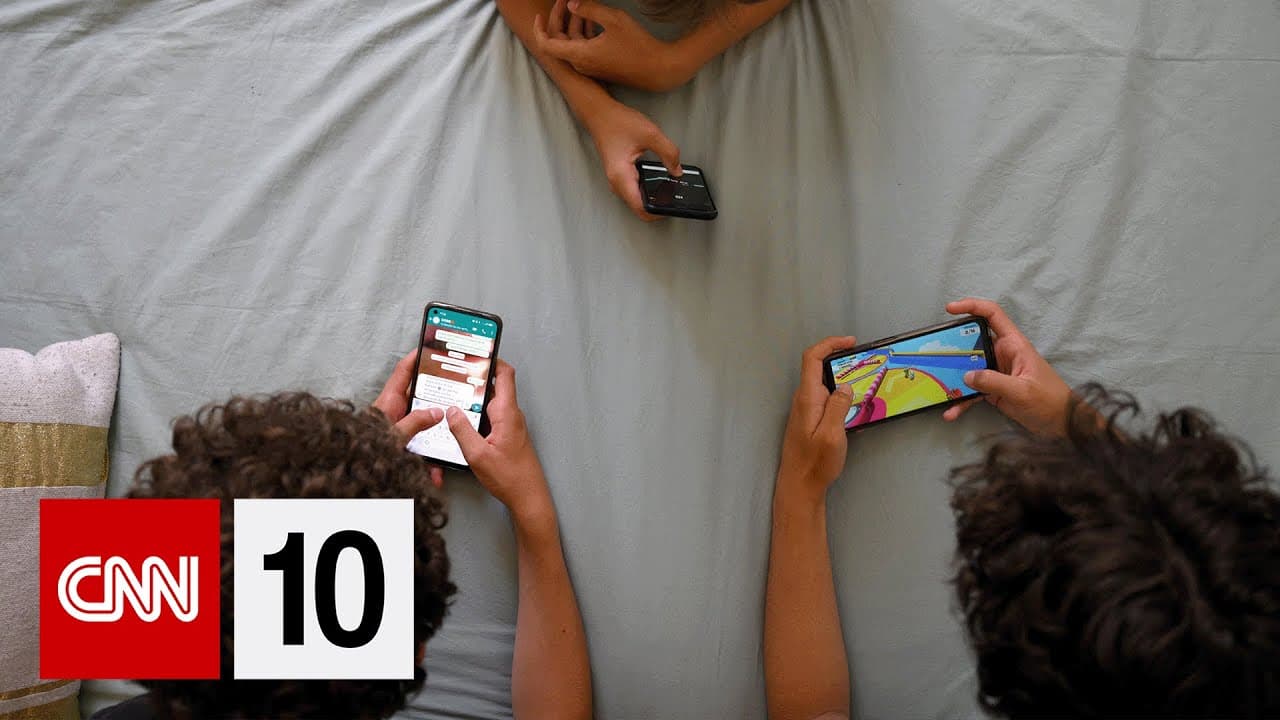
The video explains that YouTube is rolling out an AI based age verification system to guess whether a user is an adult or a minor based on watching habits and account activity. If the system identifies a user as a minor, teen safety features are applied and ads are not personalized. In some cases adults may need to verify their age with an ID or other data, raising privacy concerns.
Transcript
What's up, sunshine? Happy Friday eve. Time for your news for this Thursday, August 21st. Hope you're having an awesome day. Keep your eyes on the stars. Act like one of them because you are, but keep your feet on the ground. Keep it humble, too. I'm Koi Wire. This is CNN 10. Your 10 minutes of news starts now. We start with some big changes that m... Read More
Key Insights
- AI age verification on YouTube uses signals from user behavior to guess age. The system will automatically apply teen safety features if a minor is detected. Adults wrongly identified as teens may need to verify their age with ID, credit card, or selfie. The process raises privacy and security concerns about data handling.
- YouTube claims it has state of the art security and will not use IDs for advertising purposes, but some information may be kept. The feature aims to curb underage access to graphic or inappropriate content.
- The technology aims to address evasion by fake birth dates but presents questions about accuracy and enforcement. It could influence how under 18 users experience content, including restrictions and reminders.
- The policy change is part of broader safety efforts across platforms as indicated by related legal and regulatory developments in Mississippi and elsewhere.
- The description mentions age verification as a preventative measure rather than a user optional choice, affecting user experience for under 18 accounts.
- The report anticipates privacy concerns and potential pushback from users who oppose sharing personal identifiers.
- The feature illustrates a trend toward automated moderation and personalization limits for younger audiences on major platforms.
- More videos from this channel:
- More from this channel: CNN 10
Install to Summarize YouTube Videos and Get Transcripts
Explore YouTube Video Summarizer or Get YouTube Transcript Extractor
Questions & Answers
Q: A real search query question about the video (e.g. 'How to...', 'What is...', 'Why does...', 'When should...'). Question 1
What is the AI based age verification on YouTube and how does it work in practice according to the report? The system attempts to estimate whether a user is a minor or an adult by analyzing videos watched, searches conducted, and how long an account has been active. If identified as a minor, teen safety features are enabled automatically, such as content restrictions and wellness reminders, and personalized ads are not shown. This is presented as a proactive privacy and safety measure, though the source notes concerns about accuracy and data handling.
Q: Question 2
How might misclassification affect a user who is actually an adult? If an adult is wrongly identified as a teen, the user would need to prove their age by uploading an ID, a credit card, or a selfie to continue accessing adult features. This raises privacy and security concerns about sharing sensitive information with Google’s services, even as the platform asserts strong security.
Q: Question 3
What kinds of content restrictions could a minor face under this system? The platform would automatically restrict access to videos that are graphic or contain nudity for users identified as minors, and they would receive wellness reminders like take a break notifications. Personalization of ads would also be limited for these users, changing their overall viewing experience.
Q: Question 4
What privacy concerns are raised by the AI age verification approach? Critics question how the company will handle sensitive information such as IDs or selfies if required for age verification. The report notes security concerns and whether this data could be used for advertising despite assurances otherwise, highlighting the need for transparent data practices.
Q: Question 5
What is the broader regulatory context mentioned in the report? The report references actions like a Mississippi Supreme Court decision requiring age verification on social platforms as part of ongoing debates about youth safety and platform responsibility, suggesting that the YouTube feature is part of wider regulatory and safety trends.
Q: Question 6
How does the system determine if a user is under 18 beyond age input? It relies on behavioral signals such as viewing duration, search terms, and the type of content accessed rather than relying solely on a declared birth date. This allows automatic adjustments to the user experience based on inferred age.
Q: Question 7
What is the user experience change under potential minor identification? Users identified as minors would see restrictions on certain videos and the absence of personalized ads, along with wellness reminders. This means their YouTube experience would be more constrained and less tailored to their interests.
Q: Question 8
What does the report suggest about the likelihood of this technology being adopted across other platforms? The reporter notes the possibility that similar age verification approaches could appear on other platforms as safety features expand, indicating a broader trend toward automated age based access controls in digital services.
Summary & Key Takeaways
-
The video discusses YouTube’s AI powered age verification and how it aims to limit access to age restricted content for younger users. It explains the basis for the AI decision being videos watched, searches made, and account age duration. It also notes potential privacy implications.
-
It covers the privacy concerns around handling sensitive data like IDs or credit cards and references statements from YouTube about security measures. It mentions a Mississippi court ruling related to age verification on social platforms.
-
It also includes a light segment on other CNN 10 topics including a Bolivia Tiwanaku discovery and a straw testing segment that questions eco friendliness of materials.
Read in Other Languages (beta)
Share This Summary 📚
Summarize YouTube Videos and Get Video Transcripts with 1-Click
Try YouTube Summary with ChatGPT & Claude or YouTube Transcript Generator
Explore More Summaries from CNN 10 📚


Summarize YouTube Videos and Get Video Transcripts with 1-Click
Try YouTube Summary with ChatGPT & Claude or YouTube Transcript Generator